

- Home
- Companies
- Aimix Group Co., Ltd
- Articles
- Controlling a Straddle Carrier System
Controlling a Straddle Carrier System
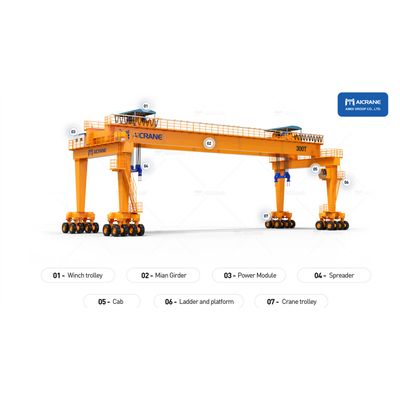
Controlling a straddle carrier system involves managing various aspects of its operation to ensure safe, efficient, and reliable container handling within a port terminal or intermodal facility. Straddle carriers are complex machines that require skilled operators and advanced control systems to maneuver containers and navigate terminal environments effectively. In this passage, we'll explore the key components and strategies for controlling a straddle carrier system.
Operator Training and Certification
The first step in controlling a straddle carrier system is to ensure that operators are adequately trained and certified to operate the equipment safely and proficiently. Operator training programs should cover topics such as equipment operation, safety procedures, emergency protocols, and maintenance requirements. Operators should be familiar with the controls and functions of the straddle carrier, including steering, lifting, and spreading mechanisms.
Monitoring and Supervision
Effective control of a straddle carrier system requires continuous monitoring and supervision of equipment operation and terminal activities. Terminal supervisors and controllers use a combination of visual observation, CCTV cameras, and terminal management systems to track the movement of straddle carriers, monitor container handling operations, and identify potential safety hazards or operational issues.
Terminal Management Systems
Terminal management systems (TMS) play a crucial role in controlling straddle carrier operations and optimizing terminal efficiency. These systems integrate various functions such as container tracking, yard planning, equipment scheduling, and performance monitoring to streamline terminal operations and maximize productivity. TMS provides real-time visibility into container movements and equipment utilization, allowing terminal operators to allocate resources effectively and respond quickly to changing demand.
Automated Control Systems
Some modern straddle carriers are equipped with advanced automated control systems that can optimize equipment operation and improve productivity. Automated systems use sensors, GPS technology, and onboard computers to automate certain tasks such as container positioning, route optimization, and collision avoidance. These systems can increase efficiency, reduce human error, and enhance safety in terminal operations.
Remote Control and Telemetry
Remote control and telemetry systems allow operators to control straddle carriers from a centralized location or control room, providing greater flexibility and efficiency in terminal operations. Remote control systems use wireless communication technology to transmit commands and receive feedback from straddle carriers in real-time. Telemetry systems collect data on equipment performance, fuel consumption, and operational parameters, allowing operators to monitor and analyze equipment efficiency and identify areas for improvement.
Safety Protocols and Emergency Procedures
Controlling a straddle carrier system also involves implementing strict safety protocols and emergency procedures to minimize the risk of accidents and ensure the safety of personnel and equipment. Safety measures may include speed limits, traffic management rules, restricted access zones, and personal protective equipment requirements. Emergency procedures should address scenarios such as equipment malfunction, power failure, or hazardous material spills, with clear protocols for evacuation, containment, and emergency response.
Maintenance and Inspections
Regular maintenance and inspections are essential for controlling straddle carrier systems and ensuring their reliable operation. Maintenance tasks may include routine servicing, lubrication, and inspection of critical components such as hydraulic systems, brakes, and electrical systems. Operators should conduct pre-shift inspections and perform daily checks to identify and address any issues or abnormalities before they escalate into more significant problems.
In conclusion, controlling a straddle carrier system requires a comprehensive approach that encompasses operator training, equipment monitoring, terminal management systems, automated control systems, safety protocols, and maintenance procedures. By implementing effective control strategies and protocols, terminal operators can optimize equipment performance, enhance safety, and maximize productivity in container handling operations.