


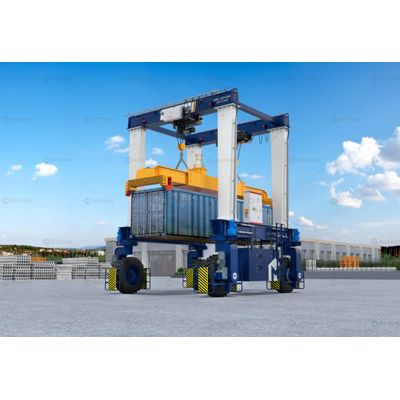
Environmental Considerations in RTG Crane Material Selection
As global industries place increasing emphasis on sustainability and environmental stewardship, the design and manufacture of Rubber Tyred Gantry (RTG) cranes have also evolved to reflect these priorities. A key aspect of eco-conscious RTG crane development lies in the selection of materials used for their construction. From structural components to auxiliary systems, the materials chosen not only influence the crane’s performance and lifespan but also have significant implications for energy efficiency, recyclability, emissions, and the overall environmental footprint. This article explores the vital environmental considerations in RTG crane material selection and how these choices contribute to more sustainable port and intermodal operations.
The Environmental Impact of Materials in RTG Cranes
RTG cranes are critical assets in container terminals and intermodal yards, handling large volumes of cargo and often operating around the clock. Given their intensive use, material selection becomes a critical factor not just for strength and durability, but also for minimizing environmental harm throughout the crane’s lifecycle—from raw material extraction to end-of-life recycling or disposal.
1. Sustainable Sourcing of Raw Materials
a) Steel and Alloys
Steel is the primary material used in RTG gantry crane fabrication, forming the structure, beams, and trolley systems. However, traditional steel production is energy-intensive and a major source of CO₂ emissions. To reduce environmental impact:
Recycled Steel: Utilizing high-percentage recycled steel significantly reduces energy consumption and greenhouse gas emissions. Manufacturers are increasingly sourcing steel from certified recyclers.
Low-Carbon Steel Production: Emerging technologies like hydrogen-based direct reduction (H-DRI) are being adopted by environmentally conscious suppliers to produce low-emission steel.
b) Aluminum and Composite Materials
While not as commonly used as steel, aluminum and certain composites are used in parts like electrical enclosures, control panels, and ladders. These materials offer weight savings, improving fuel and energy efficiency. When sourced from recycled aluminum or renewable composites, their environmental advantages are even greater.
2. Material Durability and Lifecycle Optimization
Selecting materials with longer service life reduces the need for frequent replacements and lowers the total lifecycle environmental footprint. For RTG cranes, this includes:
Corrosion-Resistant Coatings: Applying eco-friendly coatings and galvanization methods helps protect against marine or corrosive environments, reducing the need for maintenance and replacements.
Fatigue-Resistant Alloys: These help extend the operational life of structural elements, minimizing the frequency of component change-outs and material waste.
Durable materials reduce operational downtime and contribute to more sustainable resource use.
3. Lightweight Material Innovation for Energy Efficiency
Reducing the overall weight of an RTG crane improves energy efficiency by lowering the energy needed for crane movement and hoisting operations. Strategic material innovations in this regard include:
High-Strength, Low-Alloy (HSLA) Steel: These advanced steels offer superior strength-to-weight ratios, allowing for lighter yet robust designs.
Engineered Composites: Fiber-reinforced polymers (FRPs) or carbon composites can be used in non-load-bearing components to reduce weight and improve corrosion resistance.
By integrating lightweight yet strong materials, RTG cranes can consume less fuel or electricity, particularly in hybrid or fully electric models.
4. Environmental Safety and Emissions During Fabrication
The environmental impact of RTG cranes begins long before they are assembled at a port. Fabrication processes for materials can release volatile organic compounds (VOCs), particulate matter, and greenhouse gases.
Environmentally responsible manufacturers address these issues by:
Adopting Clean Fabrication Processes: Using powder coatings instead of solvent-based paints, and investing in low-emission metal fabrication technologies.
Certifying with Environmental Standards: Partnering with ISO 14001-certified suppliers helps ensure adherence to recognized environmental management systems.
Reducing harmful emissions during material processing protects both the environment and the health of workers.
5. Non-Toxic and Recyclable Components
Sustainability in material selection also means ensuring that the materials are non-toxic, safe to handle, and easy to recycle or reuse at the end of the crane’s life. Considerations include:
Lead-Free Electrical Components: Selecting cables and connectors free from lead and other hazardous substances complies with regulations like RoHS (Restriction of Hazardous Substances).
Thermoplastic Insulation: Used in wiring systems, these can be easily recycled and emit fewer toxic fumes if accidentally burned.
Environmentally Friendly Hydraulic Fluids: For cranes with hydraulic steering or lifting systems, using biodegradable, non-toxic hydraulic fluids minimizes the impact of potential leaks.
RTG cranes with recyclable and safe materials are easier to dismantle responsibly and have a lower environmental cost post-decommissioning.
6. Energy-Efficient Auxiliary Systems
While not structural materials, the components that support crane operation - like cab enclosures, lighting fixtures, and motor housings - also play a role in environmental impact:
LED Lighting Fixtures: Aluminum or polycarbonate casings with recyclable and energy-efficient LED systems reduce electricity consumption.
Insulated Cab Materials: Using advanced insulation and sustainable interior materials in operator cabins improves energy efficiency, especially in extreme weather conditions.
These material choices, though secondary to the main structure, compound the environmental benefits across the crane’s daily operation.
7. Material Considerations in Electrified and Hybrid RTGs
As ports transition to hybrid and fully electric RTG cranes, materials must also be compatible with new drive technologies:
Battery Housing Materials: Advanced thermoplastics or reinforced enclosures are used to safely encase lithium-ion batteries.
Heat Dissipation Materials: Thermal conductivity is critical for battery management systems and energy conversion units, requiring aluminum or copper-based alloys.
The integration of sustainable materials in these new technologies supports broader green port initiatives.
8. End-of-Life Material Strategy
Eco-conscious RTG gantry crane manufacturers consider what happens to the crane after its service life ends:
Design for Disassembly: Materials are selected and assembled in a way that enables easy separation and recycling.
Material Labeling: Clear identification of materials facilitates efficient recycling or repurposing.
By planning for end-of-life from the beginning, manufacturers close the loop on material sustainability.
Conclusion
Material selection is a fundamental part of designing RTG cranes that align with modern environmental standards and expectations. From using recycled and low-emission steel, incorporating lightweight alloys and composites, to ensuring non-toxic and recyclable components, every material decision affects the environmental impact of the final product.
Forward-thinking RTG crane manufacturers are integrating lifecycle assessments into the design process to guide material selection with sustainability in mind. As global port operators pursue greener logistics, the environmental considerations behind crane materials are becoming a competitive differentiator and a regulatory necessity.
Ultimately, material choices are no longer just about strength and cost—they are about resilience, recyclability, efficiency, and responsibility. The future of RTG crane development lies in materials that not only support heavy lifting but also lighten our environmental footprint.