


Finding the Right Pump for High-Viscosity Fluids
Pumping high-viscosity fluids is one of the most challenging tasks in industrial operations. Whether you’re dealing with thick oils, adhesives, syrups, or other viscous substances, the complexity of moving these materials efficiently and reliably requires careful consideration of the pump design. The unique properties of high-viscosity fluids, such as their resistance to flow and tendency to generate high shear forces, make the selection of the right pump for high viscosity a critical decision. Using the wrong pump for high-viscosity fluid can lead to inefficiencies, frequent maintenance, and even operational failures. This is why selecting the correct high-viscous pump for high-viscosity applications is not just important—it’s essential for success.
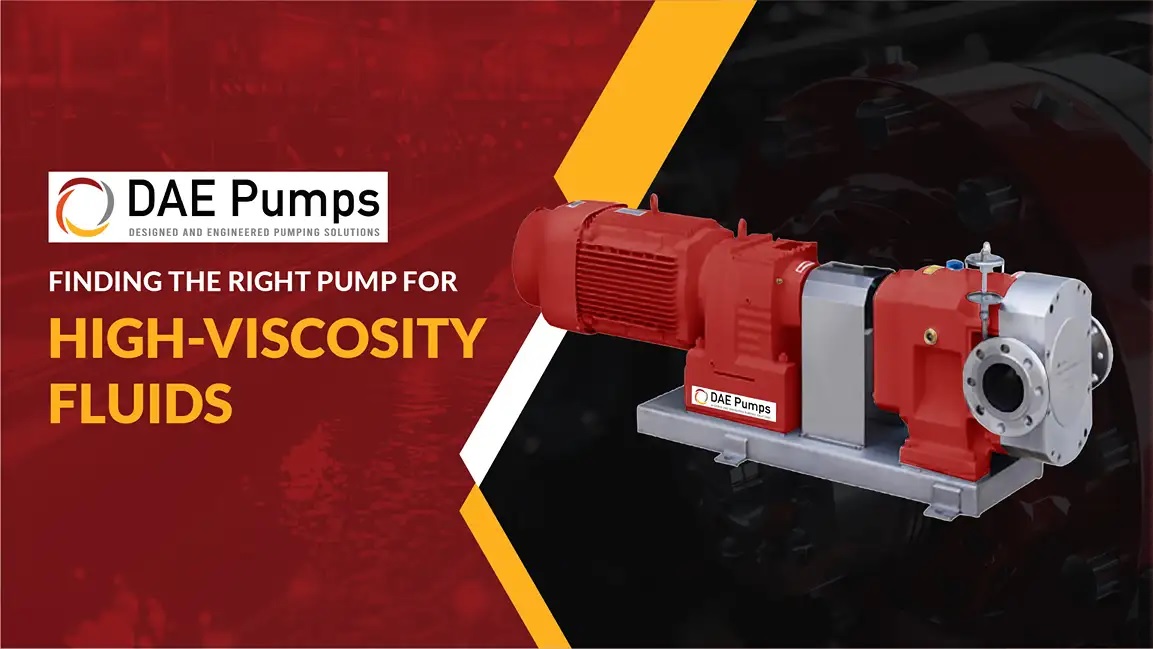
Due to their inherent properties, high-viscosity fluids pose unique challenges. Unlike low-viscosity fluids, these materials require pumps with specialized capabilities to ensure smooth operation. This guide delves deep into the science behind pumping high-viscosity fluids, the types of pumps best suited for these tasks, and why DAE Pumps is a trusted name in this domain. By understanding the principles and technologies behind pumps for high-viscosity fluid handling, businesses can optimize their operations and prevent costly errors.
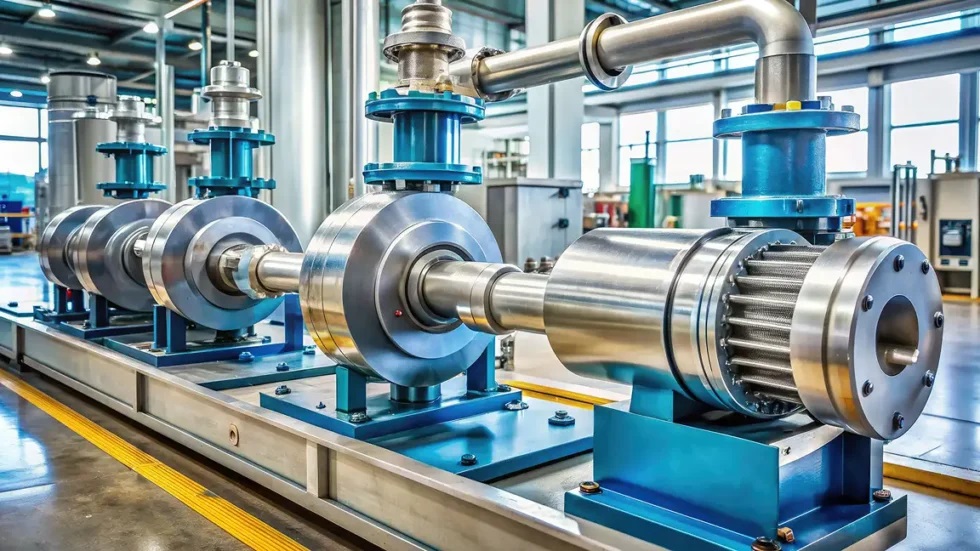
Definition And Examples Of High-Viscosity Fluids
Viscosity is a key property of fluids that measures their resistance to flow. High-viscosity fluids are characterized by their thickness, stickiness, and resistance to movement, making them more challenging to pump compared to low-viscosity fluids like water or other thin liquids. High-viscosity fluids span a wide range of substances encountered in industries such as oil and gas, food processing, chemicals, and manufacturing. Some common examples include:
- Oils: Heavy crude oil, lubricants, and gear oils.
- Adhesives: Glue, resin, and sealants.
- Food Products: Syrups, molasses, peanut butter, and chocolate.
- Chemicals: Paints, polymers, and certain types of slurries.
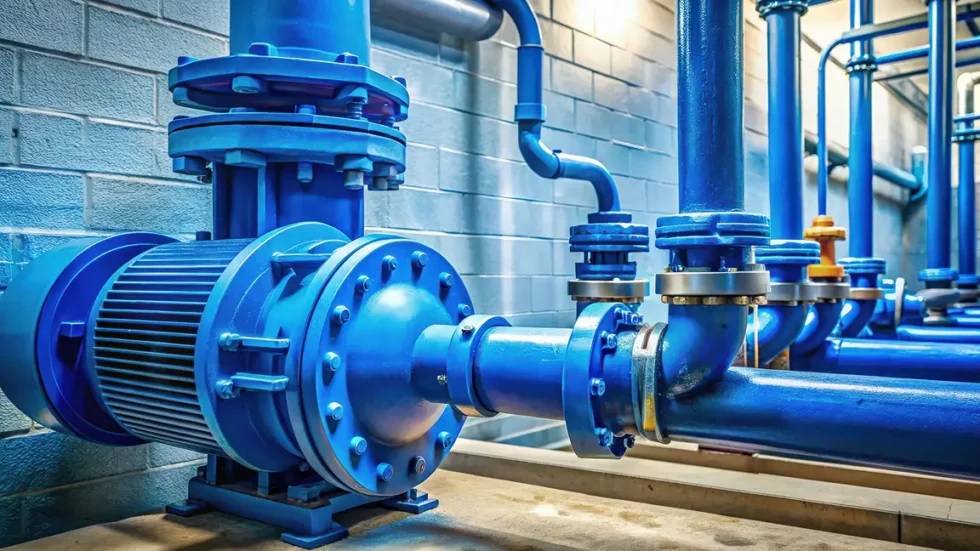
The viscosity of a fluid directly influences pump performance and overall system efficiency. High-viscosity fluids generate more internal friction as they move through pump components, pipelines, and valves. This increased friction causes pressure drops throughout the system and demands higher energy inputs to maintain flow. As a result, traditional pumps often struggle to handle such fluids efficiently, requiring specialized pumps for high-viscosity applications.
One critical challenge posed by high-viscosity fluids is their shear sensitivity. Shear-sensitive fluids can experience significant changes in their properties when subjected to excessive force or agitation. For example, emulsions may break down under high shear conditions, while certain fluids, such as adhesives or paints, may foam or lose their desired structure. This means that the pump for selecting high-viscosity fluid must account not only for the fluid’s viscosity but also for its susceptibility to shear forces.
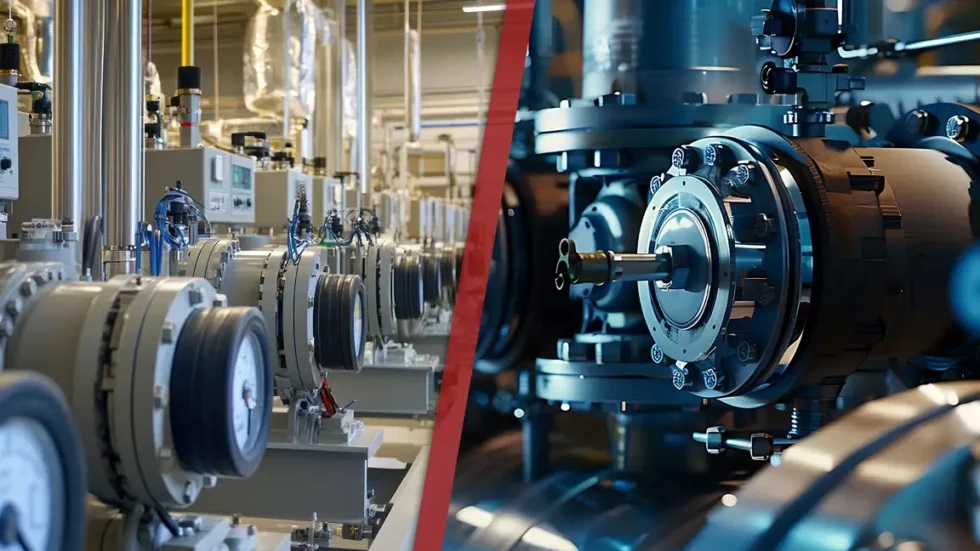
Selecting the appropriate pump for high-viscosity fluids is a critical decision that directly impacts performance, efficiency, and product integrity. Due to their resistance to flow, high-viscosity fluids, such as syrups, adhesives, or resins, pose unique challenges. Understanding their behavior and impact on fluid dynamics is essential when choosing a pump. Factors such as suction, flow rate, discharge pressure, and energy efficiency must all be carefully considered.
When selecting a pump for high-viscosity applications, the following criteria are key:
- High Torque
High-viscosity fluids require pumps capable of delivering sufficient torque to overcome the fluid’s resistance to flow. This ensures consistent movement, especially when dealing with thick or sticky materials.
- Low Shear Handling
Preserving the fluid’s properties is crucial in many industries. Pumps must minimize shear forces to maintain the integrity of products like emulsions, adhesives, or food-grade fluids. Low shear handling prevents degradation, ensuring the end product meets quality standards.
- Efficient Flow Paths
Wide internal passages and specialized designs are essential to reduce friction losses and prevent clogging. Efficient flow paths enhance operational reliability and reduce downtime caused by blockages, particularly when handling fluids with suspended solids or fibrous materials.
- Material Compatibility
Pumps must be constructed with materials that resist wear, corrosion, and chemical degradation. For abrasive or sticky fluids, durable materials like stainless steel, specialized alloys, or coatings are often required to ensure longevity and performance.
In the food industry, pumps handling high-viscosity fluids such as syrups or molasses must deliver sufficient force to transport the material while maintaining its texture, flavor, and composition. Similarly, pumps used in chemical applications must manage thick resins or slurries without altering their chemical makeup or causing premature wear on components.
For industrial applications, such as adhesive manufacturing or oil refining, pumps must balance forceful pumping action with gentle handling to avoid product damage or inefficiencies.
By considering these critical factors and tailoring the pump selection to the specific requirements of the application, industries can ensure reliable performance, reduced operational costs, and consistent product quality in high-viscosity applications.
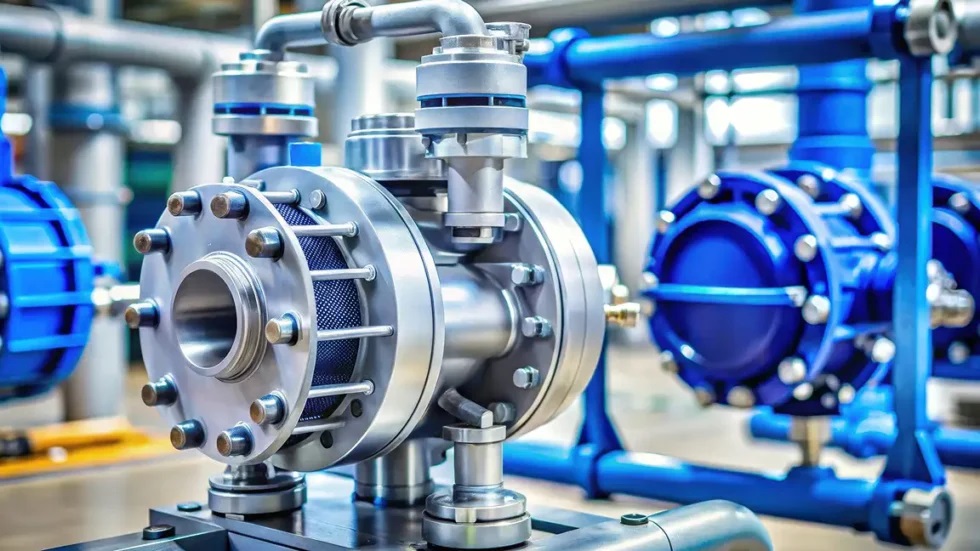
Proper pump selection is impossible without understanding the fluid’s viscosity and how it interacts with system components. High-viscosity fluids present unique challenges, but with the right pump for high-viscosity fluid technology-such as positive displacement pumps, gear pumps, or progressive cavity pumps-these challenges can be effectively managed. Whether in the food, chemical, or oil industry, choosing a pump optimized for high viscosity ensures operational efficiency, reduces energy consumption, and preserves the quality of the fluid being transported.
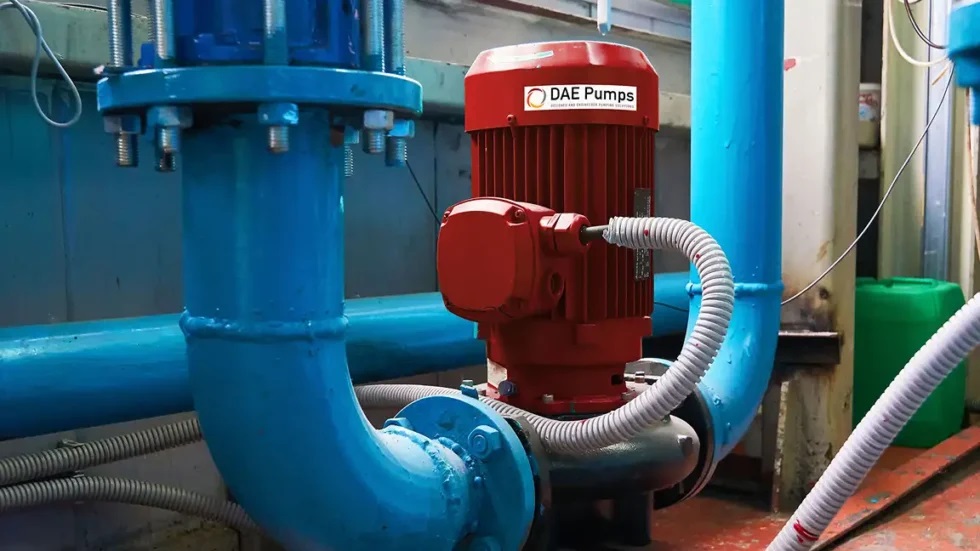
Selecting the right pump for high-viscosity applications is a critical decision that ensures efficiency, reliability, and the integrity of the pumped fluid. High-viscosity fluids present unique challenges, including resistance to flow, sensitivity to shear, and potential abrasive or corrosive properties. Therefore, the pump for high viscosity must meet specific criteria to perform effectively in these demanding environments. Below are the key attributes that define a suitable pump for high-viscosity fluids:
Strong Suction Capability
Due to their thickness and internal friction, high-viscosity fluids resist flow. A pump with strong suction capability is essential to draw the fluid into the pumping chamber effectively. Positive displacement pumps, such as gear pumps, lobe pumps, or progressive cavity pumps, excel in this area. Unlike centrifugal pumps, which rely on high-speed rotation, positive displacement pumps maintain a consistent flow rate regardless of fluid viscosity. This feature ensures smooth and steady operation, even with extremely thick fluids like molasses, adhesives, or heavy oils.
Low Shear Handling
Shear sensitivity is a common characteristic of many high-viscosity fluids. Excessive shear forces can alter the fluid’s properties, causing emulsions to separate, foaming to occur, or textures to degrade. For instance, improper pumping can compromise the consistency of chocolate or the integrity of syrup in the food industry. Similarly, in chemical applications, shear forces can destabilize sensitive compounds. A diaphragm pump for high-viscosity fluids minimizes turbulence and agitation, preserving the fluid’s properties and ensuring product quality.
Material Compatibility
High-viscosity fluids often contain abrasive particles, corrosive chemicals, or sticky substances that can accelerate wear and tear on pump components. To withstand these harsh conditions, pumps for high viscosity must be constructed from durable, chemical-resistant materials. Stainless steel, hardened alloys, and specialized coatings are commonly used to enhance the pump’s longevity and reduce maintenance costs. For example, in industrial applications involving resin or polymer slurries, robust materials prevent damage and maintain the pump’s efficiency over time.
Flow Rate and Pressure Balance
High-viscosity fluids require a delicate balance between flow rate and pressure. Insufficient pressure can result in inconsistent flow or blockages, while excessive pressure can damage the pump or alter the fluid’s characteristics. Pumps designed for high-viscosity applications often feature adjustable settings, allowing operators to fine-tune performance based on the fluid’s specific requirements. Robust designs with wider internal passages and precision engineering further optimize flow dynamics, reducing energy consumption and minimizing system strain.
Ease of Maintenance
High-viscosity fluids are demanding on pumps, often leading to frequent cleaning and maintenance. To minimize downtime and maintain operational efficiency, a suitable high-viscous pump must be easy to disassemble, clean, and reassemble. Features like quick-release clamps, modular designs, and easily accessible components simplify maintenance tasks, ensuring the pump remains reliable even under continuous use.
Handling high-viscosity fluids requires specialized pump designs to ensure efficient and reliable performance. These pumps are engineered to accommodate the unique challenges posed by thick, heavy fluids. Below are the most commonly used pump types for high-viscosity applications:
Diaphragm Pumps
Diaphragm pumps are versatile and highly effective for handling high-viscosity fluids. These pumps use a flexible diaphragm to create suction and move fluid through the system. Key benefits include:
- Exceptional suction capability, allowing them to handle thicker fluids effortlessly.
- Minimal shear forces, making them suitable for transferring sensitive or shear-sensitive materials.
- Compatibility with abrasive and corrosive fluids, ensuring durability in demanding environments.
- Their robust design and adaptability make them ideal for industries like food processing, pharmaceuticals, and chemical manufacturing.
Gear Pumps
Gear pumps are a type of positive displacement pump that uses interlocking gears to move fluid. They are particularly well-suited for high-viscosity applications due to their ability to:
- Provide a steady, consistent flow even at varying viscosities.
- Handle high pressures efficiently without compromising performance.
- Operate with a compact and efficient design, making them easy to install and maintain.
- These pumps are commonly used in applications like oil transfer, resin handling, and high-viscosity chemical processing.
Progressive Cavity Pumps
Progressive cavity pumps feature a helical rotor that rotates within a stator, creating cavities that transfer fluid with minimal shear. This design is ideal for extremely viscous fluids such as:
- Adhesives, sealants, and polymers.
- Thick food products like peanut butter and molasses.
- Sludges and pastes in industrial processes.
- Their ability to handle extremely high viscosities and solids content makes them a preferred choice for industries requiring precise and gentle fluid handling.
Selecting the right pump depends on the application’s specific requirements, including viscosity, flow rate, and material properties. Each pump type offers unique advantages, ensuring efficient and effective fluid transfer in even the most challenging environments.
DAE Pumps is a trusted industry leader that offers a wide range of high-performance pumps specifically designed for high-viscosity applications. With advanced engineering, innovative designs, and a proven track record of reliability, DAE Pumps provides solutions that deliver exceptional performance even in the most challenging conditions.
DAE Pumps’ product portfolio includes specialized pumps such as diaphragm pumps for high-viscosity fluids, gear pumps, and progressive cavity pumps. Each pump type is meticulously designed to ensure the efficient and reliable transfer of thick, heavy fluids without compromising their quality or properties. These pumps are ideal for managing applications where high torque, low shear handling, and material compatibility are critical.
For industries like food production, DAE Pumps provides pumps that maintain the integrity of products such as syrups, molasses, and other thick food substances, ensuring texture, flavor, and quality remain intact. In chemical processing, their pumps can easily handle viscous resins, adhesives, or slurries, offering robust solutions that resist wear and corrosion while preserving the material’s chemical properties. The oil and gas industry also benefits from DAE Pumps’ reliable performance, particularly in applications involving heavy crude oil, lubricants, and other dense fluids.
DAE Pumps’ innovative designs include wide flow paths to prevent clogs, durable materials for long-term wear resistance, and precise engineering to deliver consistent flow rates. With their commitment to quality and customer satisfaction, DAE Pumps has become the go-to provider for high-viscosity applications across multiple industries.
When you choose DAE Pumps, you’re not just investing in equipment—you’re investing in reliability, efficiency, and unparalleled performance. Explore their cutting-edge solutions today and experience the DAE Pumps difference for yourself!
Pumps designed for high-viscosity fluids are critical across a wide range of industries. Their ability to handle thick, sticky, and shear-sensitive materials makes them indispensable in processes requiring precision, reliability, and efficiency. Below are some of the most common applications of pumps for high-viscosity fluids:
- Oil and Gas
In the oil and gas sector, pumps for high-viscosity fluids are essential for transporting heavy crude oil, lubricants, and other viscous substances. High-viscosity pumps ensure efficient transfer and processing, even in challenging environments such as offshore platforms, where reliability and durability are crucial. These pumps are engineered to overcome the high resistance and friction associated with viscous fluids, ensuring smooth flow and minimizing energy consumption. Additionally, they are often equipped with materials resistant to wear and corrosion, ensuring long-term performance in harsh conditions.
- Food Production
The food industry heavily relies on highly viscous pumps to handle thick products like syrups, molasses, peanut butter, chocolate, and sauces. Pumps with low-shear designs, such as progressive cavities or diaphragm pumps, are commonly used to preserve the texture, consistency, and quality of food products. For example, a progressive cavity pump can transfer chocolate without causing crystallization or altering its structure. In addition, these pumps comply with food-grade standards, ensuring hygiene and safety. Efficient handling of high-viscosity fluids is vital to maintaining production standards and meeting consumer expectations.
- Chemical Processing
Chemical plants frequently deal with viscous substances like resins, adhesives, polymers, and slurries. Pumps for high-viscosity fluids are essential for ensuring the safe and efficient transportation of these materials, minimizing downtime, and maximizing productivity. In this industry, material compatibility is critical, as many chemicals are abrasive or corrosive. Pumps designed for chemical compatibility prevent damage to internal components, reducing maintenance costs and ensuring operational continuity. The ability to handle thick, sticky fluids while maintaining precise flow rates is essential for optimizing chemical processes.
- Wastewater Treatment
In wastewater treatment facilities, pumps for high-viscosity fluids handle thick sludges, biosolids, and other viscous materials. High-performance pumps ensure consistent operations, even when processing varying fluid consistencies. Their durability and ability to handle abrasive and solid-laden sludges make them essential for maintaining efficiency in these demanding environments.
- Pharmaceuticals
The pharmaceutical industry requires meticulous handling of viscous materials such as creams, gels, ointments, and pastes. Pumps with low shear and high precision, such as diaphragm pumps for high-viscosity fluids, ensure product integrity while complying with strict regulatory standards. Accurate dosing, smooth transfer, and the preservation of sensitive formulations are critical in pharmaceutical manufacturing, where quality and precision are non-negotiable.
Pumping high-viscosity fluids presents unique challenges, but with the right equipment, these challenges can be effectively managed. Understanding their properties and selecting a pump with the necessary features, such as strong suction, low shear handling, and material compatibility, is crucial for success.
DAE Pumps offers a comprehensive range of solutions tailored for high-viscosity applications. With innovative designs, superior performance, and industry expertise, DAE Pumps are the perfect choice for industries seeking reliable and efficient high-viscous pump solutions. Whether you’re in oil and gas, food production, chemical processing, or any other sector, DAE Pumps can help you achieve optimal performance and reliability.
Ready to find the right pump for high-viscosity fluid needs? Explore DAE Pumps’ high-performance solutions today and experience the difference in quality and efficiency.