
Biosensor Detection Articles & Analysis: Older
31 articles found

Biosensors are used in disease monitoring, drug development, and detection of pollutants, pathogenic microorganisms, and disease-indicating markers in body fluids (blood, urine, saliva, sweat). ...

Applications of Biotinylated Nucleic Acids Enhanced Detection Methods: Biotinylated nucleic acids can be detected through various techniques, including northern blotting, southern blotting, and in situ hybridization. The affinity between biotin and streptavidin can facilitate the detection of biotinylated probes using labeled streptavidin ...
Gold nanoparticles have broad development prospects in the fields of catalysis, biomedicine, biosensors, electronics, optics, etc. Medical Applications of Gold Nanoparticles Bioimaging Bioimaging is a non-invasive diagnostic method, that can obtain information about tissues, organs, and pathological changes through the process of scanning, testing, and recording biological ...

Diagnostic Tools In diagnostics, synthetic peptides serve as antigens in immunoassays and biosensors, helping to detect the presence of antibodies or pathogens in biological samples with high specificity and sensitivity. ...

Additionally, liposome-based biosensors have demonstrated excellent performance in directly detecting pesticides in food and drinking water. ...

BiosensorsThermally stable proteins also have applications in the development of biosensors, used to detect environmental pollutants, pathogens, and other biomarkers.7. ...

One key application of biomedical etchants is in the production of biosensors. Biosensors are devices that can detect and analyze biological molecules or biomarkers present in a patient's sample, offering a rapid and precise diagnosis. Biomedical etchants are used in the manufacturing of these biosensors to etch the necessary ...
Biomedical applications: Graphene conductive ink can be used to create biosensors for detecting biological molecules and monitoring health parameters, as well as for neural interfaces and biocompatible electrodes for medical ...
Berg (Risø National Laboratory), Technical University of Denmark) and Ole Buchardt (University of Copenhagen) invented it in 1991.Applications of PNA include altering gene expression, serving as inhibitors and promoters, antigene and antisense therapeutics, anticancer agents, antiviral agents, antibacterial and antiparasitic agents, molecular tools and probes for biosensors, DNA ...
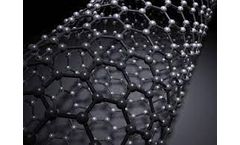
Due to their flexibility, biocompatibility, and electrical conductivity, CNFs have shown significant potency in neurological applications and in fabricating electrodes in biosensors for the detection of electrically active neurotransmitters. ...

At the same time, the requirements of this method for the test environment are relatively demanding, and the corresponding buffer must be selected to accurately analyze the heavy metal content in the soil. Biosensor method Because biosensors can shorten the life span due to various external factors and affect the results of soil detection, this ...

The lengthy battle between people and varied bodily, chemical, and organic insults that trigger cell damage (e.g., merchandise of tissue harm, metabolites, and/or infections) have led to the evolution of assorted adaptive responses. These responses are triggered by recognition of damage-associated molecular patterns (DAMPs) and/or pathogen-associated molecular patterns (PAMPs), normally by cells ...

The advent of adenoviral transduction of living cells in vivo allowed manipulation and/or characterization of molecular pathways operating in cells or tissues.5 The successful infusion of adenoviral vectors in neuronal tissue has been already demonstrated using various methods, including convectional delivery into the central and peripheral nervous system using syringe pumps.6 In an analysis of ...

Profusa’s interdisciplinary, bioengineering approach to sensor development has enabled us to break this biocompatibility barrier by creating tissue-integrating biosensors. Profusa has developed biosensors that become one with the body to detect and continuously transmit biochemical data for personal and medical use. ...

Zebrafish embryo toxicity test has become a popular method for detecting the environmental pollutions. But our research showed that zebrafish embryos exhibited no visible paramorphia, malformation or mortality when exposed to heavy metals in a range above the environmental standard limits, indicating that zebrafish embryo an imprecise model in monitoring environmental heavy ...

What are Biosensors? A biosensor is a device capable of detecting a certain substance or analyte with high specificity. Examples of such analytes are glucose, lactate, glutamine and glutamate. Most biosensors measure the concentration of an analyte in an aqueous solution, usually producing an electrical signal, which is ...

Abstract An Arxula adeninivorans based microbial biosensor has been developed for the determination of pharmaceuticals and chemicals such as omeprazole, lansoprazole, β-naphtoflavone and methylcholanthrene within 5 h using biochemical detection and 4 h and 10 min using amperometric detection. The biosensor consists of ...

The present study was conducted to develop a biosensor by exploiting phosphate-binding capacity of exobiopolymer (EBP) produced by Acinetobacter sp. ...
Abstract The ‘EstraMonitor’ was developed to provide an automated system for the detection of estrogenic compounds. It can be used for semi-online and continuous monitoring without additional instrumentation. Previously it was used to detect pure estrogenic molecules. In this investigation, the ‘EstraMonitor’ is used to detect the estrogenic activity in five non-pretreated ...

Conventional analytical techniques for heavy metals imply high cost, trained personnel and the repute that they are mostly laboratory bound. Conversely, biosensors have the advantages of low cost, ease of use, portability and ability to perform both screening and real–time monitoring of the area under investigation. This paper presents a review of the use of affinity–based ...