
Refine by
Coagulation Articles & Analysis: Older
755 articles found

Clean water treatment needs more innovative tools. Today, many facilities look for systems that deliver fast results without chemicals. Therefore, ultrasonic technology has become a powerful option. It improves tank clarity, reduces manual work, and boosts operational stability. Most importantly, it transforms how treatment plants handle algae. The Ultrasonic algae clarifier tank approach is now ...

Introduction When operators and lake managers type “what dissolves algae” into a search bar, they are really asking how to protect water quality. Green surface scums and dense blooms reduce recreation, clog treatment plants, and sometimes release toxins that threaten people and animals. It is not only an aesthetics problem. It is a public health and operations challenge, especially ...
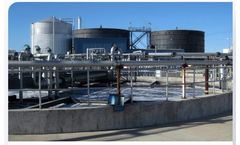
This step is necessary as it prevents damage to the pumps that transport the water between steps in the treatment process. Coagulation The second step in drinking water treatment is coagulation, which involves adding chemicals (like aluminum sulfate or ferric chloride) to the water to help particles clump together and form larger, easier-to-remove particles. ...

Primary Treatment Sedimentation: Allows suspended solids to settle at the bottom Coagulation and Flocculation: Uses chemicals like alum and lime to aggregate fine particles into larger clumps for easier removal 3. ...

BOO contracts shift plant ownership burden to water treatment experts While owning a water treatment plant can support long-term sustainability goals, it often comes with significant and sometimes unexpected expenses. From operations and maintenance to compliance risks, these hidden costs can add up quickly - especially for organizations unprepared for the full financial picture. What are some ...

Silica fouling prevention in industrial plants and data centers is a critical challenge facing facility managers, sustainability directors, and process engineers. Silica deposits significantly reduce equipment efficiency, increase operational costs, and risk system downtime. However, with strategic management and innovative technologies from Genesis Water Technologies (GWT), silica fouling can be ...

Chemical dosing (e.g., chlorine, coagulants). Why Electromagnetic flow meters? Handles dirty water with solids/slurries (e.g., rubber/PTFE lining). ...
Most pumps are designed to push fluids down a pipe as fast as they are capable. But in applications where accurate dosing matters, this isn’t always an ideal solution. That’s where dosing pumps come into play, allowing you to control exactly how much fluid the pump pushes through. Today, there are several manufacturers known for producing quality dosing pumps. However, few can ...
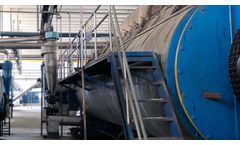
Cooking The cooking process is critical as it involves heating the raw materials to coagulate the proteins and separate the water and fat. Our fish meal cooker machines are designed to heat raw fish and fish waste uniformly, ensuring the highest yield of fish meal. ...
· Chemical Dosing: Ensuring precise dosing of chemicals like coagulants or disinfectants. · Irrigation Reuse: Monitoring treated water for reuse purposes. ...

Cooking The cooking process is critical as it involves heating the raw materials to coagulate the proteins and separate the water and fat. Our fish meal cooker machines are designed to heat raw fish and fish waste uniformly, ensuring the highest yield of fish meal. ...
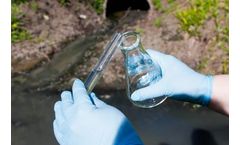
If the wastewater has high levels of TSS, that might necessitate the use of coagulants or flocculants to aggregate and remove particles efficiently. ...
· Chemical Dosing: Ensuring precise dosing of chemicals like coagulants or disinfectants. · Irrigation Reuse: Monitoring treated water for reuse purposes. ...
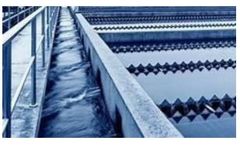
Jenfitch, Inc based in Walnut Creek, CA has developed a new oxidant that is effective at lowering TOC, reducing THM’s and HAA5’s, eliminating T & O (taste and odors), effective at controlling HAB’s (harmful algal blooms), improve coagulation & flocculation, eliminate biofilm formation in the distribution systems, and improve the effectiveness of your ...
Quantum Disinfection™ (QD) is a revolutionary technology that utilizes principles from quantum mechanics to achieve unparalleled disinfection capabilities. This innovative approach harnesses the movement of electrons to create catalytic active surfaces that can instantly disintegrate any microorganism upon ...

Complications include: Bleeding or hematoma at the puncture site: This is the most common complication, mostly caused by improper compression and hemostasis at the puncture site or abnormal coagulation function. Allergic reaction: Some patients are allergic to contrast agents and may experience symptoms such as rash and dyspnea. ...

Platelets will kick in the endogenous and exogenous coagulation mechanisms to coagulate blood vessels, convert fibrinogen to fibrin, and create clots with blood cells to close the wounding blood vessels and cause hemostasis. ...
Chemical Dosing: Ensuring precise chemical injection for coagulation, pH adjustment, or disinfection. Irrigation Reuse: Monitoring the flow of treated wastewater used for agricultural or landscaping purposes. 2. ...

Dust particles and airborne oil particles are removed by the water curtain, which falls into a holding tank, where they coagulate and float on the water ...
Picture this: you’re in charge of an industrial water treatment system. Silica is causing problems, but addressing it seems overwhelming. This guide helps simplify silica removal in industrial water treatment, explaining different techniques to ensure clean water and smooth equipment ...