
Refine by
Combustion Engineering Articles & Analysis: Older
299 articles found

Fuel injectors look simple from the outside, but internally, they are highly precise systems. Every component works within very tight limits. If even one dimension is slightly off, fuel delivery changes. To truly understand fuel injector performance, we must first understand how its components work and why precision measurement is ...

Hydrogen is rapidly becoming central to global sustainability strategies. As industries transition to greener operations, hydrogen offers a clean, versatile energy source with applications in transportation, manufacturing, and energy storage. However, harnessing hydrogen’s full potential depends on precise and reliable hydrogen measurement. Without it, safety, efficiency, and environmental ...

Driving Electrification: The EV Revolution On the road, lithium batteries power more than 8 million electric vehicles (EVs) globally, displacing internal‑combustion engines and slashing tailpipe emissions. Breakthroughs in cell engineering—such as silicon‑enhanced anodes and multi‑layer cathodes—are pushing energy densities beyond ...
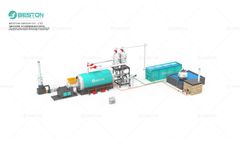
Additionally, it alleviates the burden on municipal waste management systems and reduces the accumulation of persistent pollutants in terrestrial and marine ecosystems.Carbon Emissions and Energy Intensity While pyrolysis is significantly cleaner than incineration, a Beston pyrolysis plant still produces carbon emissions, primarily from auxiliary fuel consumption and off-gas ...

As emission regulations tighten and profit margins narrow, this dual-capability machine offers a pragmatic solution to a rapidly evolving construction landscape.The Environmental Imperative Reducing Emissions on Construction Sites Diesel engines have long dominated construction equipment, but their contribution to airborne particulate matter and carbon dioxide is increasingly ...

What to Monitor Vehicles with combustion engines give rise to a variety of air pollutants but from a health perspective, the key substances are CO, NOX (alternatively NO2, the key component of NOX), and particulates. ...
ByOPSIS AB

When used in fuel cells, hydrogen can achieve higher efficiencies compared to conventional combustion engines. This translates to better energy utilization within asphalt mixing processes, where maintaining optimal temperatures is crucial. ...
ByMacroad

Impact of High Altitude on Machinery Performance Operating construction equipment at high altitudes requires consideration of reduced air density and oxygen availability, which can affect engine power, fuel efficiency, and hydraulic systems. Reduced Engine Efficiency and Power Output A self-loading concrete mixer(hormigonera autocargante) relies on an internal ...

The Steam Era: Birth of Mechanized Farming The inception of mechanized farming can be traced back to the early 19th century with the advent of steam-powered engines. These massive machines, often referred to as "traction engines," were primarily used for plowing fields and powering threshing machines. While they marked a significant leap from manual labor, their ...

Among these, tyre, brake and asphalt wear and the re-suspension of particles due to the turbulence created by the aircraft movements can account for large fractions of total particulate matter mass. Key Pollutants from Jet Engine Combustion: PollutantSourceImpact Ultrafine Particles (UFPs) Jet fuel combustion Penetrates ...

Electrochemical fuel cells are a transformative innovation in sustainable energy, offering the potential to replace combustion engines with cleaner, more efficient systems. Among the various fuels explored for these systems, hydrogen (H2) has become the focus of research. ...

Air Pollution’s When we think about air pollution, we often picture smoggy city skylines, busy highways, or plumes of smoke rising from factories. But did you know that some of the most dangerous pollutants are completely invisible to the naked eye? These are called ultrafine particles (UFPs), and they’re quietly affecting our health in ways many people don’t ...

Less Maintenance: Electric motors require minimal maintenance compared to internal combustion engines, reducing long-term operational costs. Limitations: Dependency on Power Supply: Electric gantry cranes need a stable power source, which may limit their use in remote or off-grid areas. ...

Syn-gas: Apart from heating the pyrolysis machine reactor directly, the combustible can also be used as other heating uses or generating electricity. ...

By replacing traditional diesel engines with electric powertrains, we’re not only improving operational efficiency but also significantly reducing emissions and fuel consumption. ...
Environmentally Friendly One of the biggest advantages of EVs is their positive impact on the environment. Unlike internal combustion engine (ICE) vehicles that burn fossil fuels and release harmful gases into the atmosphere, EVs produce zero tailpipe emissions. ...

This high energy density makes plastic fuel oil an effective fuel source, suitable for industrial heating, power generation, and even in modified diesel engines. 2.2 Flash Point and Fire Safety The flash point of plastic fuel oil, or the temperature at which it can vaporize to form a combustible mixture in air, is an important safety consideration. ...

With direct port injection of the gas into the combusting chamber of the engine, we expect to increase the efficiency of the synthetic gas with 5 to 10%. High temperature gas is injected after closure of the gas valve and with longer combusting time. This is resulting is prevention of loss of valuable gas and will have high ...
ByDordtech

Industrial activities are a significant source of air pollution, contributing to various environmental and health problems. Understanding the different types of industrial air pollutants is crucial for developing effective control strategies and ensuring compliance with environmental regulations. In this blog, we will explore the primary categories of industrial air pollutants, their sources, and ...

It verifies that the fuel is free from contaminants such as water, sediment, microbes, and impurities that could harm engines or compromise performance. Engine Performance: Diesel fuel testing helps assess fuel properties such as cetane number, viscosity, lubricity, and sulfur content, which directly impact engine performance. Ensuring the ...