
Refine by
Environmental Process Articles & Analysis: This-Year
38 articles found
The construction industry is at an inflection point. Environmental accountability is no longer a peripheral concern managed by compliance departments — it has migrated to the centre of commercial strategy, procurement policy, and brand equity. ...

Methane (CH4) monitoring is a key element of industrial safety, environmental control, and process supervision. Due to its flammability and wide explosive range, methane requires continuous and reliable concentration measurement in both confined and open industrial environments. In addition to explosion hazards, methane emissions are subject to increasing ...
Gas sensors are a fundamental element of industrial safety, environmental monitoring, and process control systems. They are used to detect toxic and combustible gases, monitor air composition, and provide early warning in hazardous environments. ...

For facilities generating medium- to high-concentration VOC emissions, DFTO technology offers several advantages.High VOC Destruction Efficiency A properly designed DFTO system can achieve:VOC destruction efficiency above 99% Hazardous Air Pollutant (HAP) removal above 99% Compliance with stringent environmental regulations Rapid Response to Process Changes ...
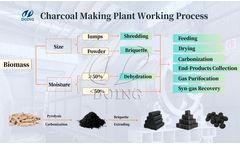
Selection of Charcoal Producing Machine The performance of the equipment directly determines charcoal yield, quality, and compliance with environmental standards during the production process; this constitutes the core element of all preparatory work. ...

In the past, environmental protection was mainly regarded as a way to improve air quality, reduce emissions and protect ecosystems. ...
For operators in the mineral processing industry, environmental compliance is no longer a choice but a fundamental requirement for maintaining a license to operate. ...

This technology not only addresses waste management issues but also helps businesses maximize production efficiency while contributing to environmental sustainability. The Process of Wood Pyrolysis Wood pyrolysis is a thermochemical process in which organic material, particularly wood, is subjected to high temperatures in an oxygen-deprived ...
Oil sludge, a by-product of industrial operations such as oil drilling, refining, and storage, presents a significant environmental challenge. Disposing of oil sludge improperly can lead to severe environmental contamination, including soil and water pollution. ...
Non-condensable gases produced during the process can be recycled as a heat source for the system itself, improving overall energy efficiency. This continuous operation greatly improves processing capacity, production stability, and industrial scalability. Environmental Benefits of Continuous Plastic Pyrolysis One of the most important ...

Aerospace and defense manufacturers work under some of the strictest environmental and safety regulations in industry. Processes such as plating, anodizing, and chemical cleaning create wastewater that must be managed carefully. ...

It can efficiently separate high-value components such as black mass powder (positive and negative electrode materials), copper, aluminum, and separators under the premise of safety and environmental protection. The recycling process for LiPo (Lithium-ion Polymer) batteries typically consists of several major stages: The first is the pretreatment stage, which ...

Reduces contamination risk in sensitive processes. Process stability. Ensures consistent environmental control, including airflow and filtration. ...
Traditional fly control relies on repeated chemical interventions that often fail to address the environmental drivers that sustain reproduction and population stability. ...
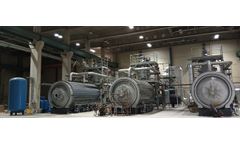
Landfill waste management has become a critical environmental challenge due to the growing accumulation of non-biodegradable materials, particularly plastic. ...
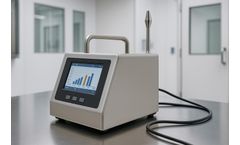
In clean manufacturing, particle counters are essential for process control, environmental monitoring, and regulatory compliance. They provide the evidence required to demonstrate environmental stability and product protection. However, counters only protect what they can accurately see; without regular calibration and professional servicing, ...
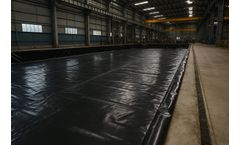
Industrial EV manufacturing in India presents design challenges for environmental safety, structural durability, and contamination control due to exposure to process chemicals, lubricants, wastewater streams, and thermal variations. ...
By using the syngas and oil produced during the process to power the reactor itself, these closed-loop systems make the pyrolysis process more sustainable and carbon neutral, which is a critical feature for communities aiming to achieve zero-waste and carbon-neutral goals. The Role of Continuous Pyrolysis Reactors in Zero-Waste Communities Continuous pyrolysis ...
Two of the most commonly discussed technologies for waste treatment are pyrolysis and traditional incineration. While both processes are designed to manage waste effectively, they differ considerably in their environmental impact, efficiency, and sustainability. ...

Another important aspect of ELV testing is environmental responsibility. Modern industries are expected to reduce their environmental impact and adopt sustainable practices. By limiting the use of hazardous substances, manufacturers contribute to cleaner production processes and safer recycling systems. ELV testing plays a vital role in achieving ...