
Microplastics Sampling Articles & Analysis: Older
6 articles found
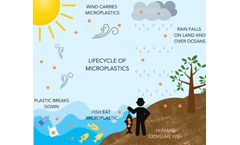
Most characterisation techniques face many challenges due to the nature of the microplastic samples. This article outlines the need for more research into microplastics and how Raman microscopy offers unique advantages for microplastic analysis and identifying the chemical composition of the material.The Plastic ProblemThe ...

Summary: A new membrane that’s better for your application Choose Gold-coated polyester membranes for: Detecting and characterizing micro-plastics in environmental water samples. Particle analysis by SEM/EDX, FTIR microscopy and Raman spectroscopy. Identification and characterization of micro- and nanoparticles in pharmaceutical fluids and chemical auxiliary agents. Testing for ...

Microplastics are minute pieces of plastic with diameters ranging from a few micrometers to a couple of millimeters. Microplastics have become a global environmental issue since they may adversely affect coastal and marine ecosystems and potentially harm the health of human beings. An FTIR spectrometer, in conjunction with an infrared microscope capable of easily ...

But then he got curious about what else might have been caught in the filters. A Kaleidoscope of Microplastics In 90% of the samples, the researchers found a multicolored assortment of plastics, seemingly representing every point on the color wheel. ...

” Baldwin noted that the study underestimates the actual microplastic concentrations in the rivers because the scientists sampled large microplastics greater than 0.33 millimeters (mm). ...

The report includes, due to "[t]he absences of scientifically reliable statements," a "comprehensive overview" of scientific papers on microplastics inputs, microplastics sources, and microplastics' induced effects in aquatic systems. The efficacy of varying sampling techniques, sample preparations, and ...