
Refine by
Particulate Generator Articles & Analysis: This-Year
7 articles found
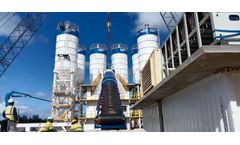
Cement dust, aggregate fines, and admixture particulates generated during batching operations carry demonstrable health risks for site personnel and surrounding communities, while regulatory frameworks in most jurisdictions now impose increasingly stringent emission limits that older dust management approaches struggle to satisfy consistently. ...

While this reduces combustion-related emissions, the process still generates gaseous and particulate byproducts. NOx is typically formed from the nitrogen content in feedstock at high temperatures. ...

Nevertheless, complex waste gas pollutants generated during photovoltaic panel manufacturing have become a major bottleneck restricting the green and low-carbon development of PV enterprises. ...

Welding and metalworking processes generate fine particulate matter, often in submicron ranges, which require specialized filtration approaches. ...
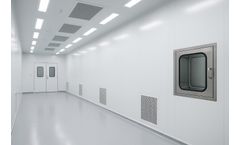
Use Cases by ISO Class ISO 1 Cleanrooms ISO 1 represents the cleanest environment with ultra-low particle concentrations, requiring high-efficiency filtration, tightly controlled airflow, and strict gowning protocols. Equipment must generate minimal particulates and be compatible with stringent material requirements. ...

Combustion-based Equipment: Emissions from incomplete combustion of fuels in heating systems such as boilers, furnaces, and backup diesel generators.Welding and Thermal Processes: Soot particles and byproducts from incomplete combustion during welding, laser cutting, and thermal fabrication processes.Paint Shops and Curing Ovens: Particulate emissions from curing ovens and ...

The combination targets the two most representative cabin air quality indicators, particulate concentration and occupant-generated CO2, enabling intelligent ventilation and air purification strategies. ...