
Refine by
Particulate Removal Articles & Analysis: This-Year
14 articles found
Waste Gas Concentration 66.56 mg/m³ Process Route Fixed Zeolite Bed + RTO Concentration Ratio 50 times Removal Efficiency 99% Process Principle Waste gas is delivered by the main process fan to pre-treatment equipment to remove large particulate matter and substances harmful to zeolite. ...
Compared with traditional complete vehicle spraying exhaust gas, the waste gas generated during wafer manufacturing, packaging and testing of vehicle-grade chips is more special, imposing higher requirements for treatment technology and production cleanliness.Core Characteristics of Semiconductor Exhaust Gas Low overall exhaust gas concentration without ultra-high concentration impact; Complex ...

Introduction A well-designed soldering workstation is essential for maintaining operator safety, product quality, and workplace productivity in electronics manufacturing environments. While factors such as lighting, ergonomics, and tool placement often receive significant attention, ventilation is frequently overlooked despite being one of the most important elements of workstation design. ...
The concentrated VOC stream is then directed to the RCO unit for high-efficiency oxidation treatment.Key benefits of this process include:High VOC removal efficiency Reduced energy consumption Lower equipment investment costs Stable long-term operation Reduced maintenance requirementsThe RCO system achieves VOC removal efficiencies exceeding 99%, ensuring ...
CADAIR Solution: Zeolite Concentration + Oxidation Technology To address the unique requirements of aircraft painting exhaust treatment, CADAIR has developed an integrated solution combining zeolite concentration technology with thermal oxidation systems.Process Flow The exhaust air first passes through a pre-treatment stage to remove particulates and stabilize ...
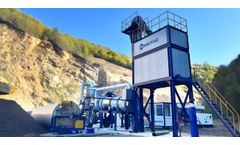
Specifically, the multi-cyclone pre-cleaner and the primary baghouse represent two sequential filtration stages with distinct compliance functions. The multi-cyclone removes coarse particulate from drum exhaust before it reaches the baghouse, protecting filter bags from premature loading and extending service intervals. ...
ByMacroad

Energy efficiency plays a critical role in long-term operating costs.Regulatory Compliance Environmental standards in Europe, North America, Southeast Asia, and China continue to become more stringent, requiring VOC removal efficiencies exceeding 95% or even 99%.Major Technologies for Printing VOC Treatment No single technology is suitable for every printing application. The ...
Intelligent Pretreatment System The pretreatment stage combines mechanical filtration, demisting and particulate removal technologies to reduce paint mist and dust before the exhaust gas enters downstream treatment equipment. Under suitable operating conditions, paint mist removal efficiency can typically reach 90%–99%, helping protect ...

Lower-grade systems may rely on basic smoke filtration mechanisms with limited particulate removal efficiency. In contrast, advanced plants incorporate cyclone dust collectors, desulfurization towers, activated carbon adsorption units, and spray purification systems. These technologies substantially reduce sulfur oxides, particulate matter, and ...
The waste gas first enters the pre-filter and cooler for impurity removal and temperature reduction. After pretreatment, the gas flows into adsorption vessels to capture organic solvents, and clean gas is safely discharged to the atmosphere. ...
While this reduces combustion-related emissions, the process still generates gaseous and particulate byproducts. NOx is typically formed from the nitrogen content in feedstock at high temperatures. ...
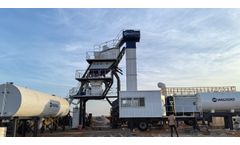
Multi-Stage Baghouse Filtration and Zero-Leakage Dust Compliance The zero-leakage dust emission standard that urban green-zone projects impose requires filtration system performance that single-stage collection designs cannot achieve reliably under the variable particulate loading conditions that portable unit deployment across diverse aggregate sources generates. Leading asphalt ...
ByMacroad
Fuel polishing and fuel maintenance are related concepts in the context of stored fuels (especially diesel), but they differ in scope, frequency, and approach. These terms are most commonly used for backup generators, marine vessels, emergency power systems, or any application where fuel sits in tanks for long periods and can ...
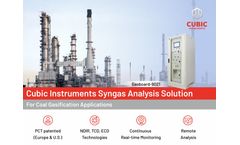
High temperatures, condensable tar fractions and particulate loading can lead to condensation and contamination of sensing pathways. ...