
Refine by
Sample Preparation System Articles & Analysis: Older
102 articles found
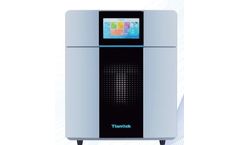
This application demonstrates the use of the R3/R5 microwave digestion systems for the accurate and efficient sample preparation of cosmetic products, such as lipstick, in mercury testing ...

The new guidelines extend the digestion time required for microwave-based sample preparation. As a high-pressure sealed system, microwave digestion offers a fast and reliable method for breaking down samples without the risk of elemental loss. ...
This application demonstrates the use of the R3/R5 microwave digestion systems to prepare samples of carbamazepine, an active pharmaceutical ingredient (API), for trace metal analysis. ...
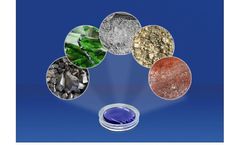
Commercial XRF analysis is a laboratory service that companies usually use when analyses are not possible in their own laboratories, e.g. because their own analytical equipment is already working at full capacity, an analytical device is defective, or the appropriate method is not ...

Diffuse reflectance infrared Fourier transform spectroscopy (DRIFTS) is a powerful analytical technique for the study of powdered and rough surface materials. It is widely employed for quality control, materials characterisation and catalytic studies in both research and industrial settings. However, optimal sample preparation and instrument setup are crucial to obtain the most reliable results ...
BySpecac

Many laboratories choose, or are required to, be certified to the standards of the NELAC Institute’s (TNI) NELAP regulatory compliance. TNI standards are modeled after ISO 17025, with a deeper focus on requirements specific to environmental laboratories. Compliance with either standard gives organizations a competitive advantage by demonstrating their commitment to maintaining an accredited ...

Microscale thermophoresis (MST) has emerged as a cutting-edge analytical technique, offering researchers robust and efficient solutions for studying biomolecular interactions. From drug discovery to protein research, the MST assay is revolutionizing how scientists analyze binding affinities, making it a cornerstone of modern biophysical analysis. This article delves into the principles, ...
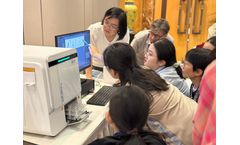
Dr. Sun Daqian , a well-known expert in the field of flow cytometry and currently the technical director of the stem cell flow cytometry and xenotransplantation platform at Albert Einstein College of Medicine in New York, and Dr. Paul Hutchinson, the head of flow cytometry center of the immunology program at the National University of Singapore, use FongCyte™ flow cytometer by #Challenbio ...

By measuring these intensity fluctuations, the size of the particles can be calculated.Steps of Dynamic Light Scattering Particle Size Analysis1. Sample Preparation(1) Clean the sample bottle or test cell to ensure no impurities, dust, or scratches.(2) Prepare the sample solution. ...
Host protein residues are a critical quality control parameter in biopharmaceutical production. Liquid chromatography-mass spectrometry (LC-MS) is a highly effective, highly sensitive, and highly accurate analytical technique, and it is an effective way to study host protein residues.Method Description1. Sample PreparationFirst, the biopharmaceutical samples are subjected to protein extraction ...

When a ribosome is affixed to the polypeptide (protein) it is making, the ribosome-nascent chain complex (RNC) is the compilation of molecules that make up the ribosome. One of several methods can be used to halt the synthesis of the nascent polypeptide. RNCs are made and purified in labs to study the dynamics, biochemistry, folding, and interactions that the ribosome and proteins undergoing ...
Untargeted lipidomics represents a holistic approach to lipid analysis, wherein the entire lipidome of a biological sample is profiled in an unbiased manner. Unlike targeted lipidomics, which focuses on predefined sets of lipid species, untargeted lipidomics aims to capture the entirety of lipid diversity within a sample, encompassing both major lipid classes and ...
Technological Innovations (1980s-Present): The 1980s and beyond saw continuous improvements in GC-MS technology, including the development of more sensitive detectors, advanced data analysis software, and automated sample preparation systems. Innovations such as tandem mass spectrometry (GC-MS/MS) and high-resolution mass spectrometry (HRMS) have ...

Gas chromatography (GC) is an extremely useful technique due to its extensive sensitivity, speed, selectivity, and ability to examine complicated mixtures that contain a variety of components. Its capabilities mean it has a range of applications, from examining toxins and drugs in forensic science to being applied to quality control within manufacturing procedures. With so many depending on the ...
TIMS is the basis of Parallel Accumulation-Serial Fragmentation (PASEF) technology, which increases the sequencing speed by 10 times while improving sensitivity.Sample Preparation and Specific EnrichmentMS-based proteomics can analyze the protein content of any sample. ...
BCA (Bicinchoninic Acid, 2,2'-bicinchoninate) sodium salt is a light yellow powder that is hygroscopic and easily soluble in water or ethanol. BCA is a stable water-soluble compound that can bind highly specifically with Cu+ to form a purple complex. This complex has a maximum absorbance at 562nm and is proportional to the protein concentration.Protein content refers to the total mass or quantity ...

It can complete a 1 million compound screening system in 2 weeks. The MALDI-TOF/TOF platform offers several advantages for MSI. ...
Protein phosphorylation is a core event in cell signal transduction, playing a crucial role in many biological processes, such as cell cycle, proliferation, differentiation, and metabolism. To deeply understand these processes, it is key to determine which proteins are phosphorylated and the precise phosphorylation sites. In recent years, the scientific community has developed a variety of ...

The Dynamic Light Scattering (DLS) analyzer is a device used for measuring the average dynamic diameter of particles such as nanoparticles, proteins, polymers, etc. The test process usually consists of the following basic stages:Analysis Workflow1. Sample Preparation(1) Clean all sample bottles and utensils to avoid contamination.(2) Prepare the sample solution, ensuring that the sample is within ...
Metabolomics is developing rapidly. In medical science research, it is hoped that analysis to identify abnormal metabolic pathways and characteristic biomarkers closely related to diseases will provide a basis for further elucidation of disease pathogenesis. Metabolomics Research Methods Metabolomics collects samples through established metabolomics research methods, and subsequently uses ...