
Refine by
Scrap Processing Articles & Analysis: Older
146 articles found
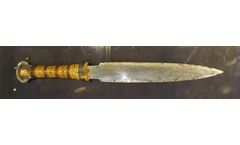
For most of human history, the materials behind great artifacts were a matter of educated guesswork. Was that dagger really made from a fallen star? How did a Roman glass cup change color from green to red? What alloys did ancient mints and silversmiths actually use? X-ray fluorescence (XRF) has quietly become one of the main tools for answering these questions. It lets scientists determine what ...

Alloy scrap metal prices per ton are a critical benchmark for recycling plant operators, traders, and industrial end users. While global commodity indexes provide reference values, the actual price achieved in real transactions depends heavily on material quality, consistency, and processing efficiency. In modern recycling operations—especially those linked ...
These ingots are produced through smelting and refining processes, which remove impurities and alloying elements to achieve a high-quality, uniform composition. ...
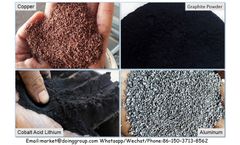
The economic value of recycling scrap lithium batteries Through disassembly, crushing, sorting and other processes, the core components can be extracted from waste lithium batteries, including positive electrode materials (lithium, cobalt, nickel, etc.), negative electrode materials (graphite), copper and aluminum, etc. ...
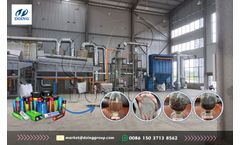
With the explosive growth of India's electric vehicles and energy storage industries, the amount of scrapped lithium batteries is expected to exceed 500,000 tons in 2030, but traditional hydrometallurgical recycling technology is difficult to meet market demand due to high cost, high pollution and complex processes. ...
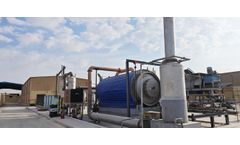
Through controlled thermal decomposition in an oxygen-free environment, tyre pyrolysis plants convert scrap rubber into valuable resources with diverse industrial applications. Core Process and Output Composition A modern waste tyre pyrolysis machine operates through indirect heating, elevating shredded rubber to temperatures between 350°C and 500°C. ...

Biogas production involves the anaerobic digestion of organic materials, such as agricultural waste, food scraps, and sewage. This process occurs in a sealed environment where microorganisms break down the organic matter, producing biogas primarily composed of methane (CH4) and carbon dioxide (CO2), with small amounts of other gases like hydrogen sulfide (H2S) ...
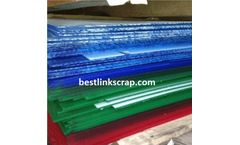
At Best Link Scrap Inc., we pride ourselves on being a dependable partner in the supply of high-quality PMMA (Polymethyl Methacrylate) scrap for businesses across diverse industrial sectors. ...
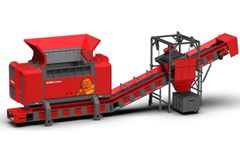
Since its launch, the HARDEN One-Step Shredder has gained rapid recognition across industries—municipal solid waste, industrial scrap, textile waste, and more—thanks to its exceptional adaptability, high throughput, and lower cost-per-ton shredding performance. ...
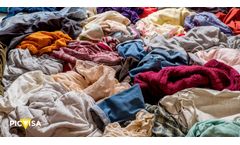
An effective textile recycling management system requires the right machinery and robotic solutions to efficiently process materials and determine which fibers can be repurposed into new textiles.How can we address waste in the form of fabric scraps, production leftovers, and non-reusable materials? ...

In the case of Goodwill, and as announced at the end of last year, it is worth highlighting its participation in launching a multi-year initiative—in collaboration with companies Reju and WM—that involves the imminent implementation of pilot programs to divert textiles from landfills through collection and sorting, thus paving the way for a more circular textile ecosystem and advancing textile ...
Discover the cutting-edge capabilities of Aymas Machine's scrap shear. Experience increased efficiency and precision in scrap metal processing. ...
Enhance your crushing operations with this professional-grade crushing solution. Revolutionizing Scrap Processing with High-Capacity Shear Balers: Handling Up to 40 Tons per Hour. In the ever-evolving world of scrap processing, the need for efficient and high-capacity machinery is paramount. ...
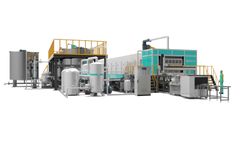
By using recycled paper as the primary material, the energy required to process these materials is significantly reduced. The process eliminates the need for energy-intensive procedures like chemical pulping or bleaching, which are common in the production of new paper. Furthermore, the machine is capable of optimizing material use, ensuring that the production ...

In the global wood processing industry, the disposal of sawmills wood waste has long been a significant issue. ...
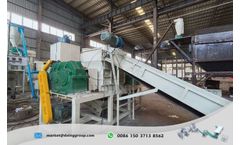
Transforming scrap solar photovoltaic (PV) panels from potential waste into treasured resources is a key step in driving the renewable energy sector towards a sustainable circular economy. ...
At the beginning of the purchasing process, customer service is mostly a hypothetical issue, as sales teams are incentivized to make the buying process as easy and hassle-free as possible. But a few years into operation, if something goes wrong, will the company still be there for you? Downtime is costly, and every day it takes to get in touch with the service department and wait for parts to ...
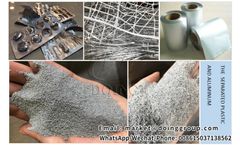
Raw materials cost: Henan Doing's 200-300kg/h medical blister packaging recycling machine can work for 8 hours a day, so it can process 2 tons of scrap medical blister packages. One ton of waste costs US$392, so the raw material cost per day is approximately US$784. b. ...
Conversely, readily available but low-value feedstocks like scrap tires might necessitate larger processing volumes to achieve comparable profitability.Product Yields and Characteristics: The success of a pyrolysis operation hinges on the quantity and quality of the products generated. ...
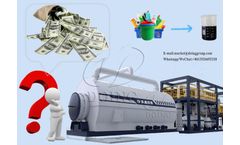
Industrial enterprise waste: Manufacturing enterprises and packaging industries will produce a large amount of scraps and waste plastics during the production process, such as scraps from waste paper mills, fiberglass waste, etc. ...