
Refine by
Soil Stabilization Articles & Analysis: This-Year
34 articles found

GEOWEB geocells enable value engineered solutions across erosion control, slope stabilization, water management, and load distribution for transportation, energy, and environmental projects. ...
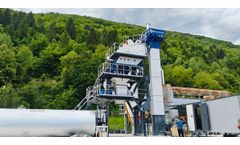
Manufacturers providing detailed modal frequency analysis confirming chassis natural frequencies avoid resonance with these urban-specific vibration patterns demonstrate engineering consideration that generic highway-rated equipment frequently lacks. Wide Footprint Design Stabilizes Soft Ground Deployment Mini asphalt plants for sale deployed at temporary urban patching sites ...
ByMacroad

As a state-of-the-art, enzyme-based soil stabilization solution, it allows durable, low-cost roads to be built largely from the soil already present along the alignment, using conventional earthmoving equipment and locally trained crews. ...
Proven solutions such as the ECOROADS enzyme-based soil stabilization system demonstrate that addressing root causes at construction — rather than repeatedly treating symptoms — is the most economical path to long-term maintenance savings. ...

When biomass is converted into biochar, a substantial portion of that carbon becomes stabilized and can remain stored for extended periods. This carbon retention mechanism distinguishes biochar from traditional biomass disposal methods. ...
Introduction Across the world, an estimated 3.4 million kilometers of rural roads remain unpaved. These roads form the backbone of rural economies, connecting farms to markets, villages to schools, mines to processing facilities, and communities to healthcare services. In many developing and remote regions, they are the most critical transportation infrastructure available — yet they are ...
Rural Population According to the World Bank, the rural population in developing countries accounts for about 45% of the total population. In 2020, it was estimated that 3.4 billion people lived in rural areas of developing countries. However, this figure varies greatly across regions and countries. The percentage of the rural population in North Africa differs between countries. In Morocco, ...
Traditional road construction practices often attempt to overcome poor soil conditions by excavating unsuitable materials and replacing them with imported aggregates, crushed stone, cement-treated materials, or another structural fill. ...
When it comes to stabilizing weak or problematic soils for road construction or pavement design, two methods are frequently compared: enzyme soil stabilization and cement stabilization. Both can dramatically improve the load-bearing capacity of in-situ material, but they work in fundamentally different ways, suit ...
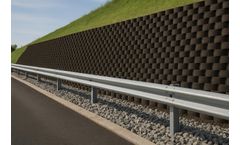
Reinforced walls commonly achieve stability with less material.Q: How does the GEOWEB Wall System compare in cost to gabion ...
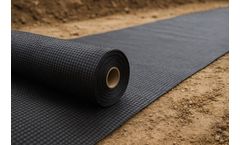
By virtue of their exceptionally high tensile strength (with ultimate tensile strengths ranging from 35 to 140 kN/m, or even higher), they act much like steel reinforcement bars to distribute stress, thereby significantly enhancing the stability of soft soil subgrades, slopes, and embankments.Separation: They effectively separate fill materials of differing grain ...

If you are seeking an effective solution in erosion control and increasing slope stability, Geocell products stand out as high-density polyethylene geosynthetic erosion control solutions. This special design, along with its perforated structure and HDS rapid drainage features, allows compatibility with various fill ...
As the construction industry becomes ever more complex, building owners and developers are increasingly recognizing the importance of waterproofing. Waterproofing is a critical construction strategy that aims to create a sustainable living space by increasing the durability of buildings while protecting them against water ...
In today’s construction sector, the focus is on the durability and longevity of materials used in engineering projects. In this context, polyester geotextile stands out as a frequently preferred material in construction projects and infrastructure works. In this article, you will find answers to questions such as what is polyester geotextile and what are its ...
Polypropylene geotextile stands out in the construction industry today with its durability and various advantages. In this article, we will delve into the features and benefits of polypropylene geotextile in ...
The construction industry is constantly evolving with technological advancements and material options, and geosynthetic materials, a significant part of this evolution, provide unique solutions in civil engineering as alternatives to traditional methods. In this article, we will focus on the advantages of geosynthetics, their applications, and their combination with traditional ...
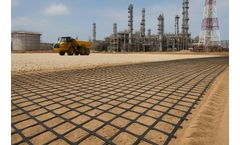
At the Reliance project site in Vijayawada, a subgrade stabilization solution was deployed to address weak soils in a flood-prone tropical climate. ...
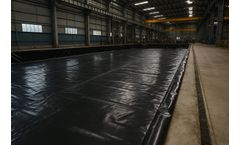
CPCB guidelines emphasize impermeable liner systems as essential to preventing groundwater contamination and soil degradation. Role of geosynthetics in industrial ecosystems Industrial infrastructure increasingly relies on integrated geosynthetic systems to enhance performance and sustainability. Soil stabilization and load distribution: ...
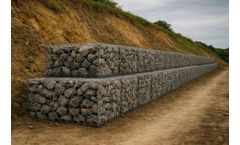
Stability of slopes and embankments remains a persistent challenge in civil engineering, particularly where seasonal rainfall, soil erosion, and uneven terrain impact infrastructure integrity. ...
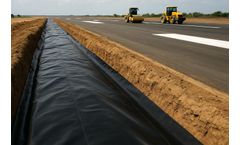
Key applications include: Pavement reinforcement: Geogrids and geotextiles improve load distribution, reduce rutting, and enhance fatigue resistance Soil stabilization: Geosynthetics increase bearing capacity and reduce settlement in weak subgrades Drainage improvement: Geocomposites and geomembranes manage subsurface water flow and reduce pore-water pressure ...