
Refine by
Xrf Test Articles & Analysis: This-Year
7 articles found

On-site XRF testing of brine chemistry enables immediate zone identification, reducing overall time to discovery to around 2 days for the initial pass. ...
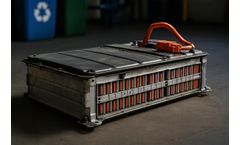
For large EV packs, testing 5-10 representative cells identifies the pack chemistry. Before shipping to processors, apply precise XRF mode (5-10 seconds per test) on representative samples from each batch to verify chemistry consistency and average composition. Use results to support pricing negotiations. Staffing: One operator can ...
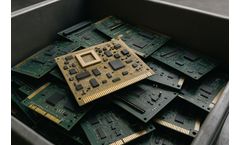
Option 2: In-House Recovery — chemical or electrolytic processes; requires specialized equipment, permits, and scale (roughly 10+ tons per month) Staffing and Training One trained operator with an XRF analyzer can test 100–200 boards per hour in quick-scan mode. For facilities processing 5–10 tons per week, 4–6 hours of XRF ...
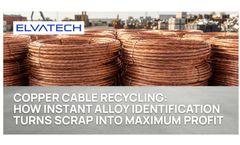
The scale said copper weight. But an XRF test revealed it was actually 70% copper, 30% nickel—worth 3x more than pure copper scrap. ...
Chemical spot test: 2-3 minutes, ~80% accuracy; messy and consumable-heavy. XRF analyzer: 5 seconds, 99%+ accuracy; higher equipment cost but fast, non-destructive testing. ...
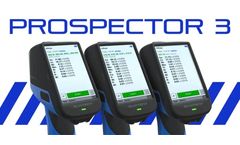
When a $2.3 million aerospace component fails catastrophic testing, investigators often trace the problem back to a single moment: the loading dock where the wrong alloy entered the facility. ...
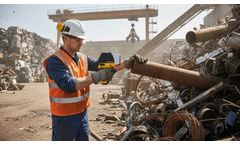
Owners and managers of scrap recycling companies know that profit is not made at the baler or the scale, but at the sorting stage. A single mistake in identifying metal grades during scrap intake can wipe out the entire margin on a batch of material. Misclassify high-grade alloy scrap as something cheaper (or vice versa), and you either overpay your suppliers or undercharge your buyers – in ...