


- Home
- Companies
- Aimix Group Co., Ltd
- Articles
- Optimizing Construction Project ...
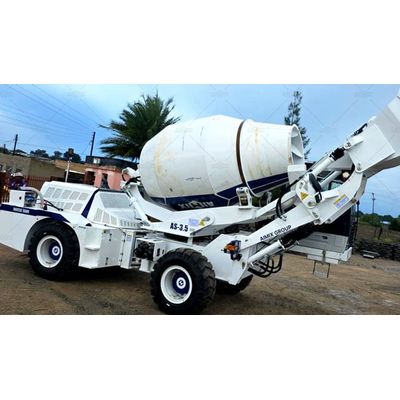
Optimizing Construction Project Efficiency through Mobile Cement Mixing Methodologies
Construction sites require a steady supply of fresh concrete to stay on schedule. Delivering ready-mix concrete to remote locations often presents significant transport challenges. Therefore, investing in on-site mixing equipment has become a standard industry practice. This comprehensive guide details the practical benefits of mobile mixing technology. We will help you select the most profitable machinery for your daily operations.
The Operational Benefits of On-Site Concrete Mixing
Many construction managers face high transit costs when buying pre-mixed concrete. Additionally, delivery trucks often get stuck in heavy city traffic. This delay causes the concrete to set inside the drum before arrival. Consequently, contractors lose valuable time and money due to spoiled material.
In contrast, on-site mixing allows you to produce concrete exactly when you need it. You can control the mixing process from start to finish. This flexibility eliminates waiting times for delivery trucks entirely. Furthermore, you only mix the precise amount of concrete required for the job. This practice prevents costly waste and material overruns.
Key Features of a Quality Mobile Cement Mixer
A reliable mobile cement mixer combines material transport and active mixing in one unit. These machines carry water, cement, and aggregates directly to the pour site. Therefore, you do not need separate support vehicles to move raw materials. This integration saves both fuel and labor costs.
Moreover, modern mobile units feature advanced electronic weighing systems. These scales measure each ingredient precisely before it enters the mixing drum. Consequently, you get consistent concrete quality with every single batch. The onboard computer also stores different recipe programs for various strength requirements.
The Advantages of a Self Loading Cement Mixer
For maximum independent operation, consider a self loading cement mixer for your fleet. These unique machines feature a front-mounted loading bucket. The bucket allows a single operator to load aggregates directly into the drum. Therefore, you do not need an extra wheel loader on site.
Furthermore, the operator can steer the machine across rough terrain easily. The drum rotates during transit to ensure a perfect mix upon arrival. This self-contained setup works exceptionally well for remote utility projects and mountain roads. It reduces your equipment footprint on tight construction sites significantly.
How to Determine the Correct Machine Capacity
Choosing the right size of equipment prevents bottlenecks in your daily workflow. Small machines are highly maneuverable but produce less output per hour. Conversely, large mixers handle massive pours but require more operating space. Therefore, you must analyze your typical daily concrete volume.
For small foundations and trench works, a compact two-cubic-meter machine is ideal. These units fit easily into narrow residential streets. However, larger road projects require a capacity of four cubic meters or more. Always buy a machine that slightly exceeds your average daily demand. This buffer ensures you can handle unexpected project expansions easily.
Essential Maintenance Practices for Mixing Equipment
Heavy-duty mixing machinery requires regular care to prevent expensive mechanical failures. Dried concrete inside the drum reduces mixing efficiency and capacity. Therefore, operators must wash the drum interior thoroughly at the end of every shift. A clean drum ensures optimal performance for the next day.
Additionally, check the hydraulic hoses for leaks before starting the engine. Hydraulic pressure drives the drum rotation and the loading bucket arm. Consequently, a sudden pressure drop can halt your entire production line. Regular inspections help you identify small wear spots before they cause major breakdowns.
Lubrication and Wear Plate Inspections
First, grease all moving joints and drum rollers every morning. Proper lubrication prevents friction damage under heavy loads. Second, inspect the mixing blades inside the drum weekly for wear. Worn blades cannot blend concrete ingredients thoroughly.
Furthermore, replace worn blades immediately to maintain structural concrete strength. Keep spare wear parts in your workshop to minimize unexpected downtime. Regular maintenance keeps your machine running smoothly and protects your investment.
Enhancing Site Safety During Mixing Operations
Safety must remain a top priority for your crew during concrete production. Moving drums and hydraulic arms present potential hazards on busy sites. Therefore, you should establish strict daily safety rules for all workers. Clear guidelines prevent accidents and protect your valuable equipment.
Specifically, operators must wear protective goggles, hard hats, and steel-toed boots. Never stand near the loading bucket while the arm is in motion. Additionally, perform a full safety walkaround before starting the machine. These simple habits keep your job site safe and highly productive.
Environmental Benefits of On-Site Mobile Mixing
Traditional concrete delivery often results in excess material waste. Drivers frequently dump leftover concrete at the site or roadside. However, mobile mixers solve this environmental issue completely. You only mix the exact volume of concrete needed for the pour.
Additionally, on-site mixing reduces the number of truck trips required for a project. Fewer trips mean lower fuel consumption and reduced exhaust emissions. This eco-friendly approach helps your company win green building contracts. Ultimately, protecting the environment also improves your business's public image.
Conclusion and Final Recommendations
A mobile concrete mixer offers the ultimate flexibility for modern construction companies. It reduces transport costs, eliminates material waste, and improves aggregate quality control. Whether you choose a standard unit or a self-loading model, you will gain operational independence. Assess your project needs today to make a smart equipment investment.