
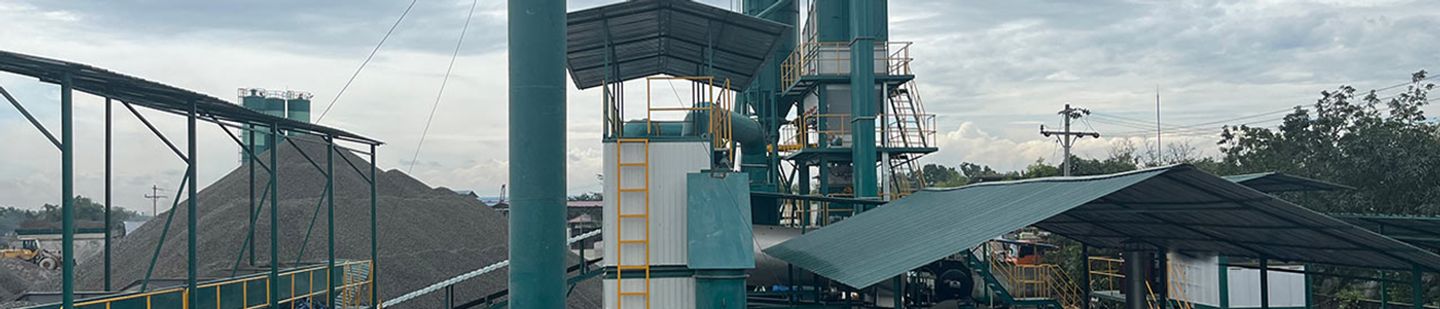

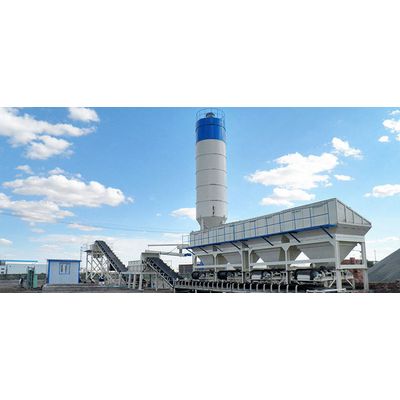
Optimizing Production in Stabilized Soil Batching Plants for Multiple Formulas
Stabilized soil batching plants play a crucial role in construction by providing various types of stabilized soil, such as cement-stabilized soil, lime-stabilized soil, and lime-fly ash-stabilized soil. Each type has unique requirements regarding raw material ratios, mixing times, and forming processes. Therefore, it is essential for manufacturers to design equipment that allows for rapid switching and precise production of multiple stabilized soil formulas. This article explores how effective equipment process design and control system optimization can help achieve seamless transitions and maintain production efficiency.
Efficient Raw Material Batching
One of the primary challenges in a stabilized soil batching plant is the need for precise raw material batching. Different stabilized soil types require distinct raw material ratios, making it imperative to have a flexible and efficient batching system. By designing multiple sets of independent metering modules for each raw material—such as cement, lime, and aggregates—manufacturers can ensure accurate measurements tailored to each formula.
Through an advanced control system, operators can pre-set formulas and call them with a single key input. This capability not only streamlines the batching process but also minimizes the risk of errors that could lead to uneven mixing or production interruptions. The ability to rapidly switch between different formulas ensures that the plant can meet varying project demands without compromising quality or efficiency.
Optimizing the Mixing Process
Once the raw materials are accurately batched, the next step is the mixing process. The viscosity of different stabilized soils can significantly affect the required mixing time and blade rotation speed. Therefore, it is vital to incorporate an intelligent mixing control system that adjusts these parameters based on the specific formula being produced.
By optimizing the rotation speed of mixing blades and the mixing duration, stabilized soil batching plant can ensure that all materials are thoroughly mixed without segregation. This attention to detail is essential for producing high-quality stabilized soil that meets project specifications. An adaptable mixing process also allows for quick adjustments based on real-time feedback, further enhancing the effectiveness of the batching plant.
Modularization and Intelligent Control
The ability to adapt to multiple formulas imposes specific requirements on the modularity of the equipment and the intelligence of the control system. A high degree of modularization allows for the compatibility of metering modules, enabling the batching plant to efficiently switch between different types of stabilized soil without extensive reconfiguration.
Moreover, the control system must be equipped with advanced functions, such as formula storage and automatic parameter adjustments. This level of intelligence allows for quicker transitions between different formulations and ensures that all parameters are set correctly for optimal production. The integration of these features not only enhances operational efficiency but also contributes to the consistency and quality of the final product.
Balancing Efficiency and Quality Stability
When comparing stabilized soil batching plants that produce multiple formulas to those that focus on a single type of stabilized soil, the balance between production efficiency and product quality stability becomes critical. Multi-formula plants must be designed to handle variations in material properties and mixing requirements while maintaining high output levels.
To achieve this balance, manufacturers need to focus on building robust systems that can seamlessly integrate various components. This includes optimizing both the batching and mixing processes to ensure that the equipment works harmoniously. By carefully managing these factors, stabilized soil batching plants can deliver high-quality products efficiently, thereby meeting the demands of diverse construction projects.
In conclusion, optimizing production in stabilized soil batching plants requires a multifaceted approach that focuses on efficient raw material batching, intelligent mixing processes, and advanced control systems. By designing equipment that can adapt to various stabilized soil formulas, manufacturers can ensure smooth transitions and maintain high standards of quality and efficiency. This not only positions the plants for success in a competitive market but also meets the evolving needs of construction projects.