


- Home
- Companies
- Aimix Group Co., Ltd
- Articles
- Six Main Steel Structure Uses
Six Main Steel Structure Uses
Steel structures are indispensable in modern engineering and construction due to their strength, durability, versatility, and cost-effectiveness. From towering skyscrapers to intricate bridges, steel structures play a critical role in a wide array of applications. This passage explores six main uses of steel structures, highlighting their importance and the benefits they offer in various contexts.
High-Rise Buildings and Skyscrapers
Steel structures are the backbone of high-rise buildings and skyscrapers, where their strength-to-weight ratio is a critical advantage. The ability of steel to support substantial loads without excessive bulk allows architects and engineers to design taller and more slender structures.
Key Features and Benefits:
Strength and Durability: Steel’s high tensile strength enables it to support heavy loads, making it ideal for the skeletal framework of skyscrapers.
Flexibility in Design: Steel’s flexibility allows for innovative architectural designs, including complex geometries and large open spaces without internal columns.
Speed of Construction: Prefabricated steel components can be quickly assembled on-site, reducing construction time and labor costs.
Fire Resistance: Modern steel structures are treated with fire-resistant materials, enhancing their safety in the event of a fire.
Bridges
Bridges are another primary application of steel structures. The material’s ability to withstand dynamic loads and environmental stresses makes it a preferred choice for both small and large-scale bridge projects.
Key Features and Benefits:
High Load-Bearing Capacity: Steel bridges can support significant traffic loads, including heavy vehicles and trains.
Long Spans: Steel’s strength allows for the construction of long-span bridges, such as suspension and cable-stayed bridges, reducing the need for intermediate supports.
Durability: Steel’s resistance to corrosion and fatigue ensures long-term durability, especially when protected by coatings and regular maintenance.
Ease of Maintenance: Steel bridges are relatively easy to inspect and maintain, ensuring their longevity and safety.
Industrial Buildings
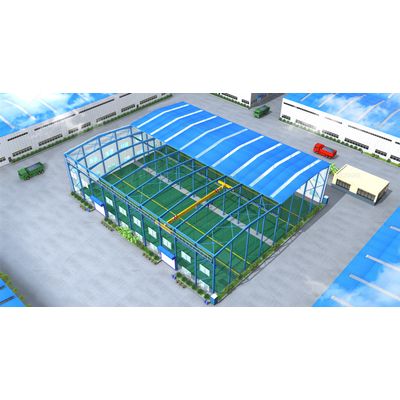
Steel structures are extensively used in industrial buildings, including factories, warehouses, and power plants. The need for large, unobstructed spaces and the ability to support heavy equipment make steel an ideal material for these applications.
Key Features and Benefits:
Large Clear Spans: Steel beams and trusses can span long distances without intermediate supports, providing unobstructed floor space for machinery and storage.
Strength and Stability: Steel structures can support heavy loads and withstand dynamic forces, such as those generated by moving machinery.
Quick Erection: The prefabrication of steel components allows for rapid assembly, minimizing downtime and disruption to industrial operations.
Adaptability: Steel structures can be easily modified or expanded to accommodate changes in production processes or increased storage requirements.
Commercial Buildings
In commercial buildings such as shopping malls, office complexes, and convention centers, steel structures offer versatility and aesthetic appeal. The ability to create large, open spaces with minimal columns is a significant advantage.
Key Features and Benefits:
Design Flexibility: Steel allows for creative architectural designs, including wide-open interiors, large windows, and complex facades.
Sustainability: Steel is a recyclable material, making it an environmentally friendly choice for sustainable building practices.
Fire Safety: Steel structures can be designed with fire-resistant materials and systems, ensuring compliance with fire safety regulations.
Cost-Effectiveness: The durability and low maintenance requirements of steel structures translate to long-term cost savings for commercial property owners.
Residential Buildings
Steel structures are increasingly being used in residential construction, including single-family homes, apartment complexes, and modular housing. The benefits of steel in residential applications include its strength, durability, and adaptability.
Key Features and Benefits:
Strength and Stability: Steel frames provide a strong and stable structure that can withstand extreme weather conditions, such as hurricanes and earthquakes.
Prefabrication: Steel components can be prefabricated, reducing construction time and ensuring consistent quality.
Design Flexibility: Steel allows for innovative residential designs, including open floor plans and custom layouts.
Long-Term Durability: Steel is resistant to pests, rot, and fire, ensuring the longevity and safety of residential buildings.
Infrastructure Projects
Steel structures are vital in various infrastructure projects, including airports, railway stations, sports stadiums, and public facilities. The material’s versatility and strength make it suitable for diverse applications that require robust and reliable construction.
Key Features and Benefits:
Versatility: Steel can be used in a wide range of infrastructure projects, from terminal buildings to pedestrian bridges.
Durability: Infrastructure projects demand materials that can withstand heavy steel structure uses and environmental exposure, and steel meets these requirements effectively.
Ease of Maintenance: Regular inspections and maintenance of steel structures are straightforward, ensuring the long-term functionality of infrastructure.
Aesthetic Appeal: Steel allows for sleek and modern designs, enhancing the visual appeal of public infrastructure.
Steel structures are integral to modern construction and engineering, offering unparalleled strength, durability, and versatility. Whether it’s the towering skyscrapers that define urban skylines, the robust bridges that connect communities, or the expansive industrial buildings that drive economic productivity, steel’s unique properties make it an indispensable material. As technology and engineering practices continue to evolve, the applications of steel structures will undoubtedly expand, driving innovation and efficiency in the built environment. By understanding the key features and benefits of steel in these six main uses, stakeholders can make informed decisions that maximize the potential of this remarkable material.