

- Home
- Companies
- Flydog Solutions OÜ
- Articles
- Smart City Project - Case Study
Smart City Project - Case Study
Smart environmental monitoring. The Smart City project develops a sensing solution for environment monitoring and better energy efficiency in the urban environment. Flydog is a member in Eliko Competence Centre project (EU48693) that runs between 01.07.2015-30.06.2022. The project is financed by the European Regional Development Fund. Flydog’s budget in the project is 60 000 euros.
Cloud-Based Flood Prevention and Monitoring System
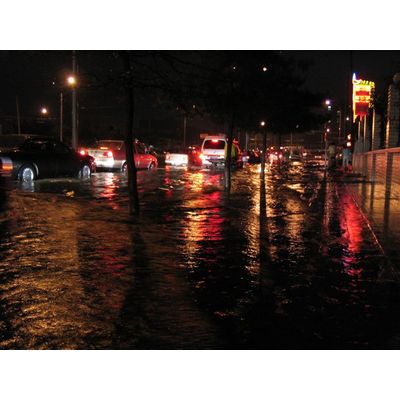
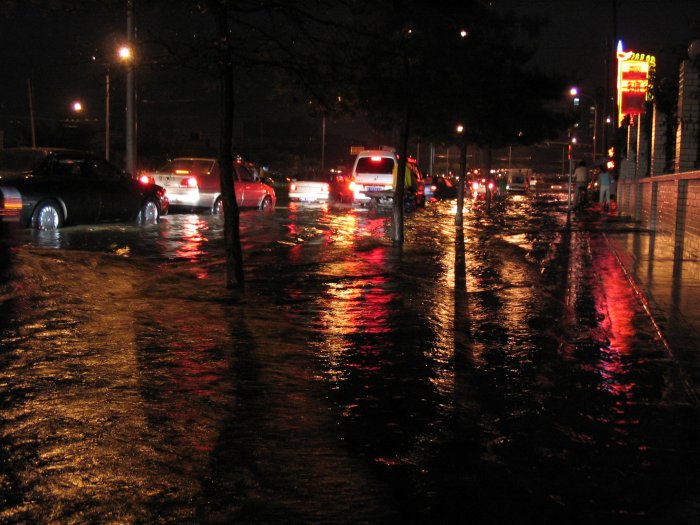
Floods are the most common natural disasters and the leading cause of natural disaster fatalities all over the world. Storms and floods are two of the three major natural threats to Europe, and institutions are asking to invest in risk reduction policies to adapt to the ongoing climate change. Such investments are considered crucial to increase the understanding of floods and produce better models and prevention measures.
Current tools for measuring the impact of the consequences of floods do not allow for a good understanding of its implications and indirect costs. Leaders in the market of urban sewage development and management agree that a slow improvement of the design and construction techniques is mainly due to the lack of proper data to provide estimations of the impact of such potentially dangerous pollution events.
The “Floud” technology is based on the employment of ultra-low-cost environmental monitoring devices designed to enable, through a cloud-based data collection mechanism, extensive and real-time monitoring of the status of floods in urban areas, towards increasing the understanding of these phenomena, as well as providing an effective tool for issuing early warnings to the population and improve existing prediction models.
The introduction of the technology would result in a new data-collection and analysis mechanism, which could disrupt existing practices (and research field) of flood management in urban areas. The proposed early detection solution is aimed at creating a shift from just dealing with the consequences of a flood towards increasing the time to prepare for a flood and thus reducing the consequential (in)direct costs. This could result in saved lives and decreased damage to land and property, but also introduce a novel tool for Insurance and Risk Assessment, improved best practices for flood protection equipment providers and rescue services.