


The Impact of High-Impurity Materials on Crushing Plant Screening Systems
Raw material deposits are rarely pure. Processing run-of-mine feed that contains high levels of sticky clay, organic soil, and ultra-fine dust introduces major operational hurdles for downstream screening equipment. When managing an industrial stone crusher plant(planta de trituración), operators frequently find that material purity directly dictates overall throughput and screen media longevity. High-impurity materials alter the flow dynamics of the rock stream, leading to severe material handling issues that can bring an entire production line to a costly halt.
To maintain a profitable aggregate crusher plant, processing teams must actively analyze the physical characteristics of their raw feed before it enters the primary circuit. High moisture combined with high clay content creates a cohesive mass that resists clean separation, accelerating component wear and inflating maintenance overhead. For contractors operating decentralized fleets, utilizing a highly versatile mobile stone crusher requires even tighter tracking of material purity, as compact layouts offer less physical space for secondary scalping. By identifying these specific failure points, operations can implement smart screening media upgrades to protect final product quality.
Mechanistic Failures in the Screening Circuit
High levels of contaminants disrupt the basic physical principles of stratification and separation on the vibrating screen deck.
Screen Blinding and Pegging Over-Saturated Feeds
When sticky clay or damp soil passes over a vibrating screen, it adheres to the wire mesh or polyurethane surfaces. This accumulation gradually closes the screen apertures, a phenomenon known as blinding.
- Reduced Open Area: As blinding spreads across the deck, the active screening area drops, forcing oversized and undersized materials to stay mixed together.
- Near-Size Pegging: Hard, irregular impurities often become wedged directly inside the screen openings, causing pegging that physically blocks subsequent rock particles from passing through.
- Carry-Over Contamination: When fine sand particles stick to large stones due to moisture, they are carried over into the coarse product stockpile, degrading the quality of the final aggregate.
Accelerated Media Abrasive Wear
High-impurity feeds frequently contain highly abrasive companion minerals, such as fine silica sand or weathered granite crusts. As these materials pass through the stone crusher plant, they generate a high volume of ultra-fine abrasive dust. This grit acts like sandpaper against the screen cloths, accelerating the wear of wire meshes and breaking down tensioning hooks, which leads to premature screen structural failures.
Operational Costs and Yield Degradation
The negative impact of poor material quality quickly moves from mechanical wear to severe drops in corporate profitability.
Reduced Efficiency in the Aggregate Crusher Plant
When a screening deck fails to properly separate fines due to clay blinding, the undersized material is mistakenly recycled back into the secondary or tertiary crushing chambers. This recirculating load forces the aggregate crusher plant(planta trituradora de agregados) to re-crush materials that were already at their target size. This inefficiency wastes massive amounts of electrical power, accelerates mantle and bowl liner wear, and severely lowers the net hourly output of the facility.
Product Downgrading and Contract Rejections
Top-tier infrastructure contracts—such as high-speed rail ballasts or high-performance concrete aggregates—enforce strict limits on the percentage of fine dust and clay allowed in the final matrix. High-impurity feeds processed through an unoptimized stone crusher plant can result in product batches that fail local quality control inspections, forcing operators to sell premium rock as low-value road base material or face total batch rejections.
Strategic Mitigations for Clean Classification
Overcoming the challenges of dirty raw feeds requires a combination of robust circuit design and specialized screen media selections.
Upgrading Screen Media Technology
Standard woven wire screens struggle to handle damp, sticky materials effectively. Modern mining operations replace traditional cloths with high-performance alternatives:
- Self-Cleaning Polyurethane Screens: These panels feature independent wire strings that vibrate elastically under the impact of the rock stream, actively shaking loose sticky clay buildup.
- Rubber Scalping Decks: Heavy-duty rubber elements absorb the high impact of large rocks while flexing sufficiently to shed muddy soils before they reach the fine-screening phases.
- Anti-Blinding Flex-Mats: Specialized wave-pattern wires utilize the screen’s natural resonance to eliminate blinding without requiring manual spray-bar washing systems.
Leveraging Mobile Pre-Screening Circuits
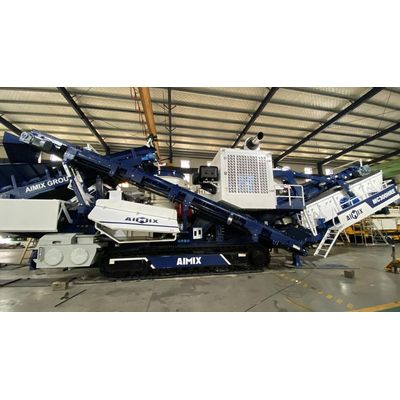
For highly dynamic jobsites, relying on a single fixed screening tower is often insufficient when dealing with variable deposit pockets. Deploying an agile mobile stone crusher(trituradora móvil de piedra) equipped with an integrated independent scalping screen allows operators to remove fine soils and organic topsoil before the material ever reaches the primary jaw or impact crusher. Removing these impurities early in the process ensures that your primary aggregate crusher plant receives a clean, high-grade rock feed, lowering overall system wear and maximizing production efficiency.
Future-Proofing Material Processing Operations
As high-quality aggregate reserves become depleted around the world, processing companies will increasingly find themselves forced to exploit lower-grade, high-impurity deposits. Continuing to rely on standard, unassisted screening configurations under these conditions will inevitably lead to high maintenance costs and uncompetitive product yields.
Investing in advanced material tracking, automated pre-scalping setups, and flexible screen media is the most effective way to protect your business from the operational risks of dirty feed stocks. By optimizing your stone crusher plant to handle challenging materials smoothly, your business can maximize the lifespan of its equipment, maintain strict compliance with material specifications, and secure steady, high-margin contracts across the competitive global mining and aggregate industries.