


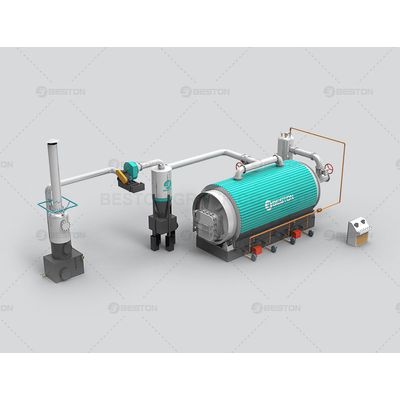
Unlocking the Potential: Exploring the Biochar Reactor
The quest for sustainable and eco-friendly solutions has led to innovations across various industries. One such innovation with immense potential is the biochar reactor. It's a fascinating piece of technology that not only addresses waste management but also contributes to environmental conservation and sustainable agriculture. In this article, we will delve into the world of biochar reactors, their functionality, applications, and the positive impact they can have on our planet.
Understanding Biochar
Before diving into the biochar reactor, it's essential to grasp the concept of biochar. Biochar is a carbon-rich material produced by heating organic matter, such as agricultural and forestry waste, in a low-oxygen environment—a process known as pyrolysis. The result is a stable, highly porous substance that can lock carbon into the soil for centuries.
Biochar has a multitude of benefits:
Carbon Sequestration: Biochar acts as a long-term carbon sink, removing carbon dioxide (CO2) from the atmosphere and mitigating climate change.
Improved Soil Fertility: When added to soil, biochar enhances its structure and nutrient-holding capacity. It fosters beneficial microbial activity and reduces nutrient leaching.
Reduced Greenhouse Gas Emissions: Biochar application can suppress nitrous oxide (N2O) emissions—a potent greenhouse gas—during the decomposition of organic matter in the soil.
Waste Management: It provides a sustainable way to dispose of organic waste materials that might otherwise end up in landfills or be burned, releasing harmful pollutants.
Enter the Biochar Reactor
The biochar reactor is the heart of the biochar production process. It's where organic materials are subjected to pyrolysis, transforming them into biochar while capturing valuable byproducts. Let's explore its functions and significance:
1. Pyrolysis Chamber: The core of the biochar reactor is the pyrolysis chamber, where organic matter is heated to high temperatures in the absence of oxygen. This process results in the creation of biochar.
2. Biochar Production: As the organic matter heats up, it releases volatile gases and leaves behind solid biochar. These gases can be collected and used for various purposes, such as energy generation or as feedstock for chemical processes.
3. Controlling Parameters: Biochar reactors are designed to control critical parameters such as temperature, heating rate, and residence time. These parameters can be adjusted to optimize the production process and the quality of the biochar.
4. Byproduct Harvesting: Apart from biochar, the pyrolysis process produces bio-oil and syngas. Bio-oil can be further refined into biofuels, while syngas can serve as a source of renewable energy.
Applications and Benefits
The applications of biochar and biochar reactors are diverse and promising:
1. Agriculture: Incorporating biochar into agricultural soils enhances crop yields, nutrient retention, and water efficiency. It promotes sustainable farming practices.
2. Waste Management: Biochar reactors offer a sustainable solution for managing organic waste materials, reducing the need for landfill disposal or open burning.
3. Carbon Sequestration: By locking carbon into the soil, biochar helps mitigate climate change by reducing CO2 levels in the atmosphere.
4. Renewable Energy: The syngas produced during pyrolysis can be converted into clean energy, reducing reliance on fossil fuels.