


BCM Sensor Technologies Bv products
Pressure Sensor Dies
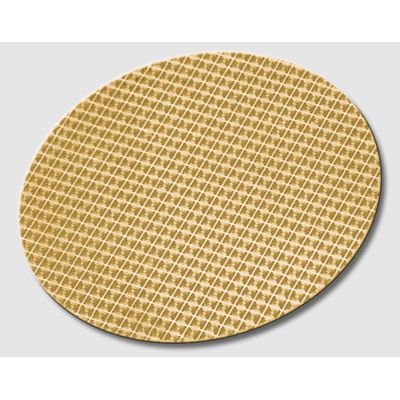
Model SE101 - Absolute Pressure Sensor Dies
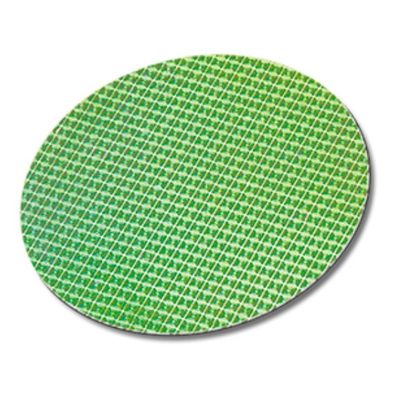
Model SE102 - High-Overload-Pressure Sensor Dies
Strain Measurement
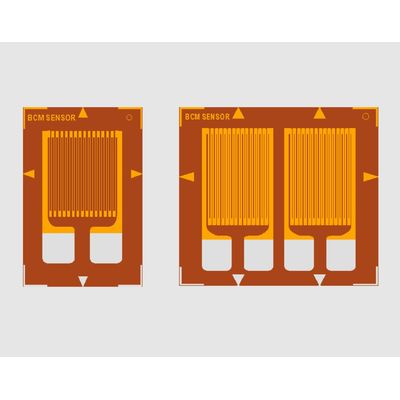
Linear Strain Gauges
BCM SENSOR linear strain gauges are specially developed for manufacturing precision force transducers which employ bending beam working principle. For the purpose of this specific application, the linear strain gauges are temperature and creep compensated, and they can be either encapsulated or open-face according to the requirement. The karma gauges can be manufactured with effective modulus compensation (EMC). The EMC gauges are mostly for manufacturing low-cost force transducers, because with the EMC gauges the manufacturers can eliminate the use of compensation resistors and achieve the sensitivity compensation.
Linear Strain Gauges
BCM SENSOR linear strain gauges are specially developed for manufacturing precision force transducers which employ bending beam working principle. For the purpose of this specific application, the linear strain gauges are temperature and creep compensated, and they can be either encapsulated or open-face according to the requirement. The karma gauges can be manufactured with effective modulus compensation (EMC). The EMC gauges are mostly for manufacturing low-cost force transducers, because with the EMC gauges the manufacturers can eliminate the use of compensation resistors and achieve the sensitivity compensation.
Torque Measurement - Rotary Torque Transducers
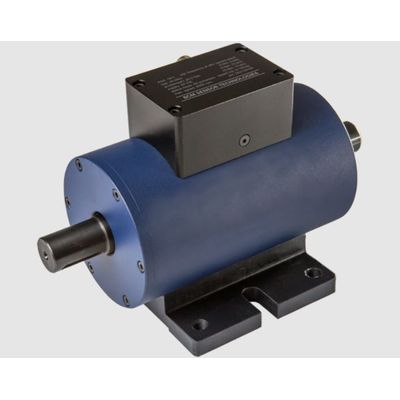
Model 1811 - Non-Contact Rotary Torque Transducers
Model 1811 rotating torque transducer (RTT) is developed to measure rotary torque up to 300,000 Newton-meters (300 kNm). The 1811 is composed of a rotor, a stator and two mechanical bearings in between the rotor and the stator. The rotor acts as a shaft to measure torque, while the stator supplies electric power to the rotor and transmits torque signal from the rotor to a SSC (sensor signal conditioner). Taking advantages of the electromagnetic induction principle, model 1811 has no electric brush between the rotor and the stator for the power and signal transmission. Therefore, this RTT is an ideal device for applications which require long term durability and a few of maintenance of the mechanical bearings.