

- Home
- Companies
- Beta Analytic Inc.
- Services
Beta Analytic Inc. services
EN 15440 Testing for Solid Recovered Fuels
EN 15440 was developed for biomass content determination of solid recovered fuels. This European standard is only applicable to solid fuels, not their combustion emissions. Beta Analytic provides EN 15440 testing throughout Europe. EN 15440:2011 is a published standard that outlines three methods for the determination of the biomass content of solid recovered fuels.
Natural vs Synthetic Content Testing

Water Analysis
Fuel Tested

Municipal Solid Waste as Source of Renewable Energy
Municipal solid waste is used in several energy-intensive industries as an alternative fuel. Biomass fraction of MSW is determined using ASTM D6866. Beta Analytic continues to provide ASTM D6866 testing to MSW users.
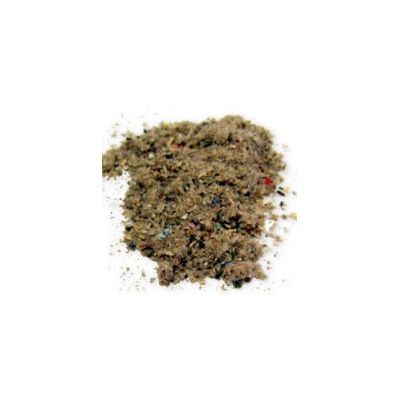
Refuse-derived Fuels: From Waste to Energy
Many industries burn refuse-derived fuels and solid recovered fuels as energy source. Biomass fraction of RDF or SRF is determined using CEN 15747 or prCEN/TS 15440 for companies in Europe. Beta Analytic is committed to provide CEN 15747 and prCEN/TS 15440 testing.
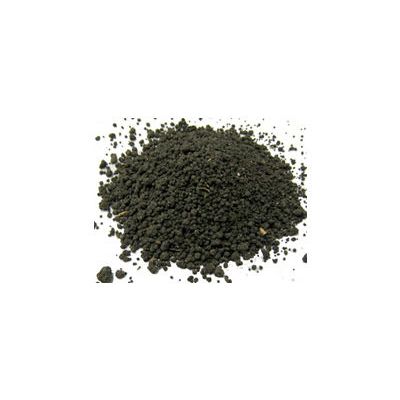
Generating Energy from Sewage Sludge
Sewage sludge is treated to make it safe for agricultural application. Treated sewage sludge produces nutrient-rich biosolids, which are principally used as soil fertilizer. Biosolids and the dried untreated form of sewage sludge are also used as alternative fuels. They are usually co-fired with other fuels like coal, municipal solid waste, wood waste, and agricultural waste. Not all sewage sludge, however, can be incinerated to produce energy. The water content and high levels of inert materials in sludge make its net fuel value relatively low.
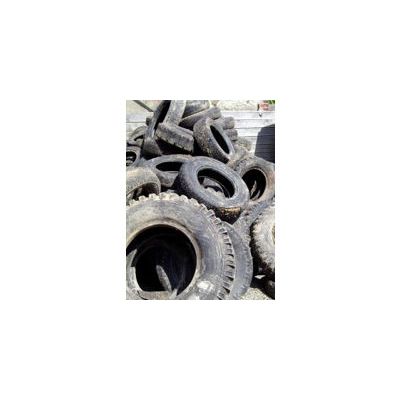
Biomass Carbon Content of Scrap Tires and Tire-Derived Fuel
Their high heating value makes scrap tires a good alternative fuel for industries with energy-intensive processes, e.g. cement plants, electricity-generating facilities, and pulp and paper mills. Tires, when burned, produce the same amount of energy as oil, 25-50% more energy than coal, and 100-200% more energy than wood, according to the U.S. Environmental Protection Agency. Scrap tires had been used as supplement fuel to coal and wood. Over the years, more and more combustion facilities use scrap tires not only because of their high energy content but also because they are cheaper than coal, produce cleaner emissions, and have low moisture content. The U.S. EPA testing has shown that (a) tire ash residues contain lesser heavy metals than some coals, and (b) tire combustion results in less NOx emissions compared to burning high-sulfur coal.
Stack Gas Carbon Dioxide and its Biogenic Fraction
ASTM D6866 is a standard method employing radiocarbon dating techniques to determine the percentage of “recently fixed carbon” (biogenic fraction) versus “old carbon” (non-biogenic fraction from fossil sources) present in a solid fuel or its stack gas emission. Materials in fuels (municipal solid waste, used tires, sewage sludge, refuse-derived fuels, etc.) with recently fixed carbon include those that are biomass like wood, paper, and others of animal or plant origin. Materials with old carbon include coal and other petroleum-derivatives like plastics. Through ASTM D6866, the amount of recently fixed carbon is known and correlated to a material’s biogenic content. ASTM D6866 measures carbon 14, which is a carbon isotope present in biomass but absent in fossil inputs.
Test Standards
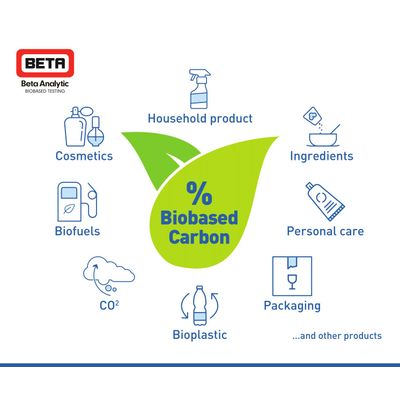
Measuring Renewable Content
ASTM D6866 measures biogenic content of solid or liquid fuels and their combustion emissions. The test is an accurate monitoring and verification tool for carbon credit and carbon offsetting strategies. Beta Analytic provides ASTM D6866 testing to various companies as they comply with regulations or take advantage of certain initiatives.