


- Home
- Companies
- Biofuture Ltd
- Articles
Biofuture Ltd articles
Septic tanks are widely used for on site sewage treatment for domestic homes which are not connected to the sewer system. Little attention is given to the septic tank until there are problems such as smells or poor drainage or ponding on the surface. A little maintenance of the septic tank can be very helpful in maintaining performance of the septic tank. The outflow from a septic tank percolates through the soil. If it is not adequately treated it can cause problems due to contamination of g
Ciaran Gillen
The odours from an anaerobic digester and a waste handling depot were fed to two large biofilters with wood chip packing. The seeding of the biofilters was carried out using a microbial product, BFL Odour Clean. For the initial seeding of the biofilter with microbial cultures a manual method of application was used. Careful application of the product to the entire filter bed is key to the success of the application. The use of natural microbial products provides the most effective and en
Ciaran Gillen;Pier Sante Testi
Country: U.S.
Problem: Poor final effluent quality
Product: BFL 5100HP
Background
A chicken slaughterhouse was killing 10,000 chickens per day. Final effluent was discharged to a stream. The final effluent COD was exceeding the discharge limit of 100mg/L and as a result it had to be tankered off site and spread on agricultural land. Obviously this was costly and not sustainable as a medium to long te
Country: USA
Problem: Shock Loading
Product: BFL 5200VP
Background
A large orange juice plant has peak production between January and March. During this period the plant was subject to shocks from press liquors which caused upsets to the plant. The plant operates to an NPDES discharge permit.
Wastewater Treatment System
The wastewater treatment facility comprises an e
One of the problems with large wheelie bins used for waste storage is that organic deposits build up and these give rise to bad odours. From time to time the bins are washed to remove the organic deposits. However in many cases the odours are not removed so the bin may look clean but not smell clean. There are a number of different types of systems used to wash the bins and BioFuture have worked with all of these to apply a natural microbial product to treat the odour at source. The use of th
Ciaran Gillen, Pier Sante Testi
The use of Bioaugmentation has been shown to be a very effective method of restoring activity in a wastwater treatment plant treating the effluent from cheese production. The plant had lost activity and in this case activity was restored without removing the existing dead biomass. This presented a considerable challenge and resulted in considerable savings for the client since the dead sludge didn`t have to be taken off site for disposal. This process resulted in a more sustainable methodolog
Pier Sante Testi and Ciaran Gillen, BioFuture Ltd.
BioFuture Ltd. in conjunction with General Smontaggi SpA have used applied environmental engineering and bioaugmentation to remediate hydrocarbon contaminated soil washing slurry. The soil washing slurry had been treated using lime to dry and stabilise it for transport to special landfill for disposal.
The starting pH was 12.55 and it was successfully bioremediated so that it could be used as a resource rather than a waste. The treated soil was suitable for reuse within the site and t
Pier Sante Testi and Ciaran Gillen, BioFuture Ltd.
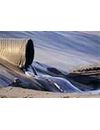
Application of Bioremediation for low cost contaminated soil washing slurry treatment with quick hydrocarbon reduction and improved sustainability. The application uses proprietary microbial formulation with a slurry bioreactor in order to accelerate the degradation process and to make it compatible with soil washing technology. The end result is a treated soil which meets the requirements for use for industrial purposes. This results in diversion from landfill and makes the treated soil a re
Pier Sante Testi; Ciaran Gillen
A new approach is to use bioaugmentation to physically degrade the grease so that it can be finally treated in the wastewater treatment plant. This method is completely compatibl
Pier Sante Testi, Ciaran Gillen