


Cytena articles
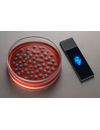
Viability is the critical output metric for sorted cell populations. Cells that survive sorting must remain functional for downstream applications such as culture, stimulation assays, single cell sequencing, or manufacturing. For fragile cell types, the sorting method can distinguish a viable dataset from a stressed, unusable one.
Why cells die during sorting
The primary driver of cell death is mechanical stress. High pressure flow, rapid acceleration, droplet formation, and imp
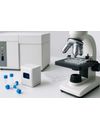
FACS, MACS, and image-based single-cell isolation solve different problems. This analysis compares the trade-offs in purity, throughput, viability, and monoclonality documentation across cell sorting technologies.
Start with the output you need
The required outcome determines the tool: a purified population, an enriched fraction for downstream work, or single cells with documented monoclonality.
FACS: high dimensionality, higher stress
Fluorescence-activate

Single cell isolation is essential for reproducibility and regulatory compliance in modern life science workflows, including stable cell line development, gene editing, and single-cell omics. Precise isolation of individual cells enables the capture of functional heterogeneity and supports data-driven decisions in research, development, and manufacturing contexts.
What is Single Cell Isolation?
Single cell isolation is the process of separating individual cells from a heterogene
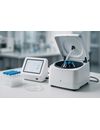
In GMP cell therapy manufacturing, manual washing introduces variability and increases documentation burden, whereas automated, closed or semi-closed washing enhances recovery, reduces contamination risk, and supports electronic batch records.
In cell therapy, the cell is the product. Each wash step impacts viability and yield. When starting material is limited, even small losses can prevent a batch from meeting release criteria. Washing processes in GMP environments must be repeatable
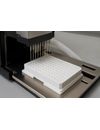
ELISA plate washing is a critical determinant of assay performance. Residual liquid and carryover after washing can drive background signals, compressing the dynamic range and elevating the limit of detection.
Residual volume is the key variable. After aspiration-based washing, a small amount of liquid often remains in the well. That residual contains whatever you are trying to wash out. Even a few microliters can be enough to produce measurable signal when the detection enzyme is act