


Schultz Process Services, Inc. products
Separation Equipment
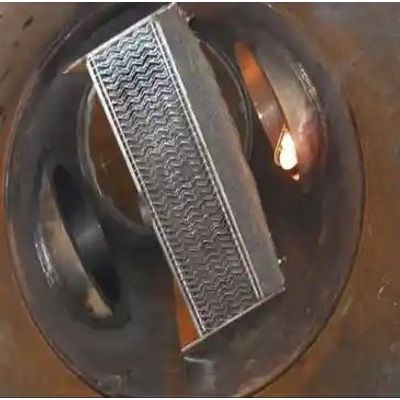
Schultz - Vane Separators
We utilize a double pocket vane for our vane separators and scrubbers. Vane Separators are designed to remove liquid particles from a vapor stream with high efficiency and low pressure drop. The liquid particles are captured and removed through rapid changes in direction through the vane flow profile. The liquid drops are too large and dense to make the quick zig-zag flow pattern and impact the vane blade wall, where a liquid film sheet is created, then channeled into the pockets away from the vapor flow path to be separated. These separators can be designed for either horizontal or vertical orientations.
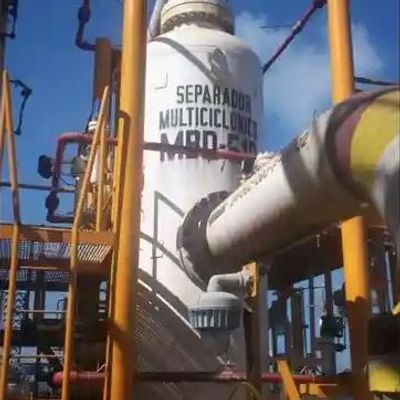
Schultz - Centrifugal Separators
Centrifugal Separators have been used across the industry dating back to 1950s. They are a dependable solution, especially if you aren’t sure what is coming down the pipeline. We have developed multiple devices for these applications and have experienced continued success in difficult applications over our company’s history, including multi-cyclones and mono-cyclones. Multi-cyclones are fixed devices and depending on the flow range will determine how many of these devices are installed within a separator. On the other hand, mono-cyclone separators only incorporate one centrifugal device whose size and design changes with the flow rate specified. Our mono-cyclone is our SinTrifugal Device. This device if often used in suction pulsation bottles to act as a last chance separator prior to the process entering the compressor cylinders.
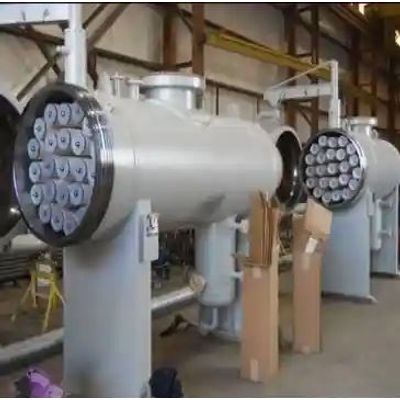
Schultz - Filter Separators
Filter Separators are one of the more common equipment configurations found in the industry today. These are utilized when higher efficiency for separating smaller particles are required. They are commonly used on suction stages for compressors and fuel gas applications, where clean gas is necessary. The typical configuration of this equipment incorporates filter cartridges in the inlet chamber to provide for solid separation and liquid coalescing. The downstream device is often a vane type mist extractor to remove the larger coalesced liquid droplets exiting the filters. This equipment is provided in both horizontal and vertical orientations.
Heat Exchangers
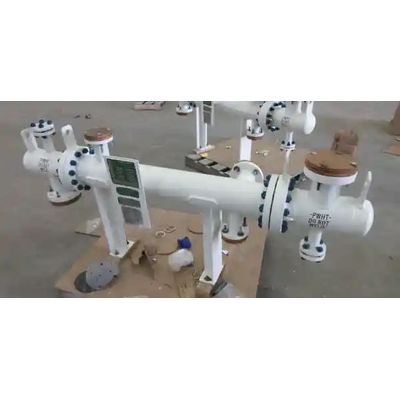
Schultz - Shell and Tube Exchangers
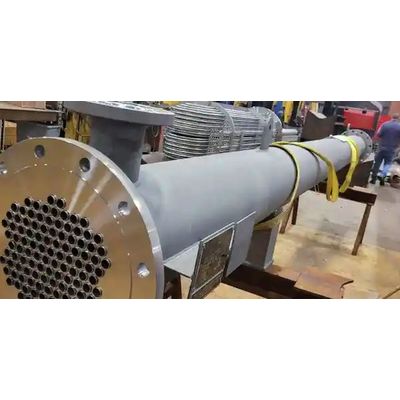
One of the more common forms of heat exchangers is a shell and tube exchanger. This is a straight-forward and cost effective approach for heat transfer solutions. In this design, one fluid is passed through tubes (i.e. tube side) while another fluid enters the shell section (i.e. shell side) of the vessel housing the tubes. As the phases pass through the exchanger, the surface area of the tubes is in direct contact with the shell side flow, thereby transferring heat in this process.
Schultz - U-Tube Exchangers
When space is limited and size constraints are design considerations, we may recommend a u-tube exchanger. This design is very similar to the shell and tube, but essentially reduces the overall length of the unit in half, by bending the shell & tube 180 degrees for increased surface area. These are a more intricate design and do require specialty flanges for the bonnets, but can provide economic benefits when considering the surrounding infrastructure and maintenance.