


- Home
- Companies
- Henan Doing Environmental Protection ...
- News
- Difference between pyrolysis and ...
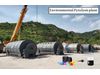
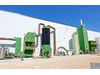

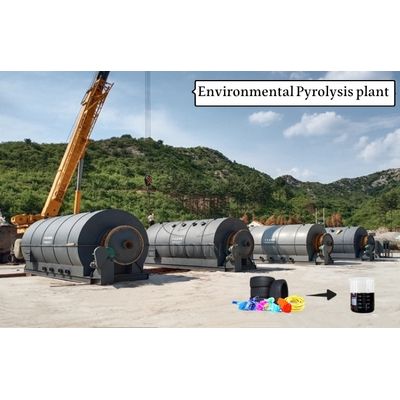
Difference between pyrolysis and combustion
Pyrolysis and combustion are both processes that involve the decomposition of materials through heat, but they are fundamentally different in terms of the presence of oxygen, the chemical reactions involved, and the products produced. Here’s a breakdown of the key differences:
1. Presence of Oxygen
- Pyrolysis: This is a process that occurs in the absence of oxygen or in very low-oxygen environments. Because there is no oxygen available, combustion cannot occur. Pyrolysis involves the thermal decomposition of organic materials into simpler molecules.
- Combustion: Combustion, on the other hand, is a process that requires oxygen. It is an exothermic reaction where a substance reacts with oxygen (usually from the air) to produce heat and light. In combustion, the fuel undergoes oxidation, typically resulting in the formation of carbon dioxide (CO₂) and water (H₂O).
2. Temperature Range
- Pyrolysis: Pyrolysis typically takes place at lower temperatures compared to combustion, usually between 300°C and 500°C, depending on the material being processed. The process can be controlled to produce specific products.
- Combustion: Combustion occurs at higher temperatures, typically over 1000°C, as the material reacts with oxygen and releases energy in the form of heat and light.
3. Chemical Reactions and Products
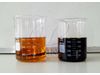
- Pyrolysis: In pyrolysis, the material is broken down into simpler chemical compounds. It produces a mixture of solid (char or carbon black), liquid (pyrolysis oil), and gas (such as methane, hydrogen, and carbon monoxide). The products can vary depending on the feedstock and process conditions. For example, in tire pyrolysis, the products include pyrolysis oil, carbon black, and steel.
- Combustion: Combustion results in the complete oxidation of the material, meaning the fuel is burned entirely, typically producing carbon dioxide (CO₂), water (H₂O), and heat. Incomplete combustion (due to insufficient oxygen) can also produce carbon monoxide (CO) and particulate matter, which are pollutants.
4. Energy Production
- Pyrolysis: Pyrolysis is often used as a method of energy recovery, but it does not directly produce energy in the form of heat or light in the same way combustion does. Instead, the process yields valuable products (like pyrolysis oil and gas), which can later be used for energy production or other applications.
— Pyrolysis can be used in waste-to-energy plants, where the oil and gas generated can be burned for energy or further refined.
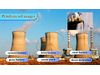
- Combustion: Combustion is primarily used for energy generation. It directly releases energy in the form of heat, which can be harnessed to produce electricity, power industrial processes, or heat buildings.
5. Environmental Impact
- Pyrolysis: Pyrolysis can be considered more environmentally friendly than combustion because it does not directly emit large amounts of carbon dioxide. Instead, it produces useful by-products, and the process itself typically generates fewer pollutants, especially if carried out in controlled conditions.
— The gas produced can be cleaned and used as a fuel or converted into syngas for energy generation, reducing harmful emissions.
- Combustion: Combustion typically results in the release of carbon dioxide (CO₂), a major greenhouse gas, along with potential air pollutants like nitrogen oxides (NOx) and sulfur dioxide (SO₂), depending on the material being burned. Incomplete combustion can also produce particulate matter and carbon monoxide (CO), both harmful to human health and the environment.
6. Applications
- Pyrolysis: Pyrolysis is widely used in applications like:
— Waste-to-energy: Converting waste materials like plastic, tires, or oil sludge into valuable products such as oil, gas, and carbon black.
— Oil recovery: Extracting oil from certain types of waste or organic materials.
Combustion: Combustion is mainly used for:
— Power generation: In power plants that burn fossil fuels (coal, oil, natural gas) to produce electricity.
— Heating: In furnaces, boilers, and home heating systems.
— Transportation: In engines that burn fuel (gasoline, diesel) to generate motion and power.
As the above displayed, pyrolysis is a good solution for waste recycling, so more and more customers began to invest in the pyrolysis machine project. If you also want to invest in the business, selecting a pyrolysis machine with good quality is the most important thing for you.
Recommend reading: Pyrolysis machine manufacturer and supplier-DOING Group
Over the past 14 years, DOING has cooperated with many customers on our pyrolysis machines and received lots of good feedback. If you want to learn more details about pyrolysis machine, just feel free to contact us directly:
📞Whatsapp us: +8613526692320
📧E-mail: [email protected]
🔗Official Web:
http://www.wastetireoil.com
http://www.continuouspyrolysisplant.com
http://www.wasteoiltodieseloil.com