


Gradko International Limited
- Home
- Companies
- Gradko International Limited
- Products
- Gradko - Ammonia Diffusion Tube
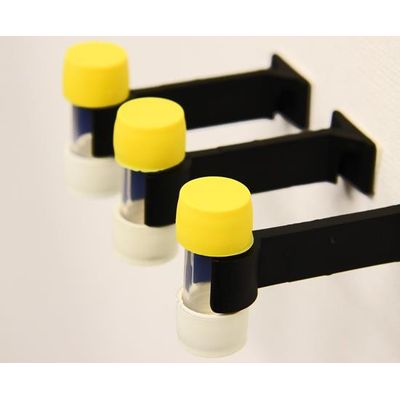
Gradko - Ammonia Diffusion Tube
This tube is suitable for the passive monitoring of Ammonia (NH3), due to the very low detection limits our diffusion tubes are able to detect even slight levels of Ammonia pollution if present.
Most popular related searches
diffusion tube
ammonia analysis
sewage treatment facility
tube diffuser
ambient air monitoring
indoor air sampling
ambient air
ambient ammonia
workplace monitoring
UKAS accreditation
Sources of Ammonia in ambient air:
- Decaying organic matter – e.g. sewage.
- Agriculture – particularly cattle, pig and poultry farms, application of slurry.
- Fertilisers.
- Manufacturing – plastics, pharmaceuticals, rubber, petrochemicals.
- Industrial and combustion processes.
- Catalytic converters
Potential implications Ammonia pollution:
- Unpleasant odour.
- Damage to vegetation.
- Soil acidification.
- Conservation areas are at risk of Ammonia deposition – heathland, moorland, bogs – pollution may cause a change in plant species
The highest concentrations of ambient Ammonia pollution are expected in areas with most livestock farming or where Ammonia is industrially produced. Our diffusion tubes can be applied to a wide variety of situations:
- Outdoor ambient air monitoring in proximity to agricultural or industrial facilities and sewage treatment facilities.
- During production of products containing Ammonia.
- Indoor air sampling in animal sheds or for workplace monitoring during manufacture.
- Environmental assessments of conservation areas.
- Urban monitoring.
DIF400RTU-RA – Supply and analysis of Ammonia diffusion tube.
Tube holders sold separately:
- DIF-1000 – Plastic fixing clip
- DIF-2000 – 360 mm fixing strap
- DIF-2001 – 760 mm fixing strap
- DIFSHLTR-S – Shelter for 3 tubes
Analysis is carried out in our UKAS accredited laboratories. Results are provided within 10 working days or can be pre-booked for fast track.