


Chunke Environmental Technology Co. Ltd
- Home
- Companies
- Chunke Environmental Technology Co. Ltd
- Products
- Containerized Reverse Osmosis Systems
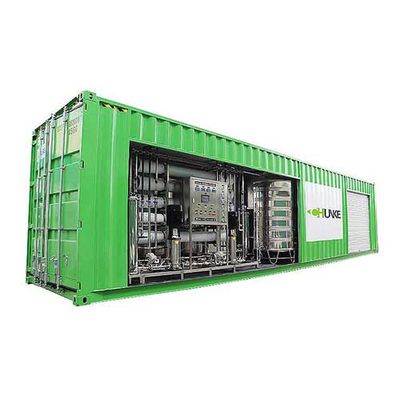
Containerized Reverse Osmosis Systems
CHUNKE Containerized Reverse Osmosis System is a self-contained, turnkey system that can function on-the-go or as a permanent water treatment plant. So, it able to start pumping high-quality product in less than a day after arrival on-site. Hence, our containerized reverse osmosis systems are made to order, meaning your system will be specifically tailored to your water treatment requirements, containing all the amenities your reverse osmosis system could possibly need.
Most popular related searches
package reverse osmosis system
package reverse osmosis
reverse osmosis system
reverse osmosis
reverse osmosis plant
water treatment plant
water treatment
dosing system
reverse osmosis system engineering
industrial reverse osmosis system
- Pre-engineered ready to go
- Save water with high recovery systems complete start up documentation and training
- Low energy RO membranes that provide optimal rejection, productivity and reliability accordingly
- Epoxy coated carbon steel frame or SS304 stainless steel frame
- High quality valves, pumps and fittings provided for each unit accordingly
- Available remote monitoring and normalization available
- Compact footprint saves space consequently
- Complete maintenance service available
- Build/Own operate and lease programs at last