


- Home
- Companies
- Henan Walldorn Recycling Machinery Co., ...
- Products
- Walldorn - Lead-acid Battery Recycling ...
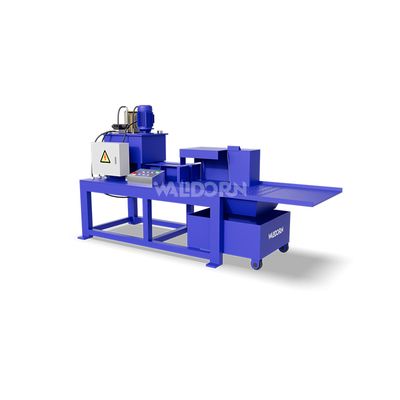
Walldorn - Lead-acid Battery Recycling Machine
The Lead-acid Battery Recycling Machine is designed to process waste lead-acid batteries efficiently, utilizing advanced mechanical and chemical processes. This machine disassembles and crushes batteries, separating the lead, plastic, and sulfuric acid components. The system includes a crusher for breaking down components, sorting and purification equipment for material separation, and technologies for lead and sulfuric acid recovery. Notably, the machine operates with high efficiency and is environmentally conscious, avoiding wastewater and exhaust gas emissions. Automated control systems enhance operational efficiency, reducing manual intervention. Its versatility allows for the recycling of lead, sulfuric acid, and other battery components, making it a valuable asset in the growing market of electric vehicle battery recycling. With technological advancement and policy support, this equipment promises improved resource utilization and environmental protection.
- Floor Space: 10 m*10 m
- Power: 90 kw (customized)
- Capacity: 3-5t/h
Lead-acid battery recycling equipment mainly includes Battery Crushing Machine, Battery Breaking Machine, Lead Smelting Furnace, Acid Neutralization System, Plastic Recycling System. The lead-acid battery recycling machine separates and recycles valuable substances such as lead and sulfuric acid from waste lead-acid batteries through a series of mechanical and chemical processes.
- Disassembly and crushing: First, disassemble the waste lead-acid batteries and remove useless parts such as the outer shell and connecting wires. Then, use a crusher to break the plates, separators and other components inside the battery into small pieces for subsequent processing.
- Sorting and purification: Use equipment such as vibrating screens and magnetic separators to sort the crushed materials and separate different components such as lead, plastic, and sulfuric acid. At the same time, purify the separated materials to remove impurities and pollutants.
- Lead recovery: For the separated lead components, they can be recovered through smelting, refining and other processes to obtain high-purity lead metal. These lead metals can be used to manufacture new lead-acid batteries or other lead products.
- Recovery of sulfuric acid: For the sulfuric acid in waste lead-acid batteries, it can be recovered through evaporation, crystallization and other processes to obtain reusable sulfuric acid products.
- High efficiency: The lead-acid battery recycling machine adopts advanced mechanical and chemical processing technology, which can efficiently process waste lead-acid batteries and improve recycling efficiency.
- Environmental protection: The equipment will not produce pollutants such as wastewater and exhaust gas during the treatment process, realizing an environmentally friendly and pollution-free treatment method.
- Automation: The lead-acid battery recycling machine is usually equipped with an automated control system, which can realize automatic operation and monitoring of the equipment and reduce manual operation costs.
- Versatility: The equipment can not only recycle valuable substances such as lead and sulfuric acid, but also comprehensively utilize other components of waste lead-acid batteries to improve resource utilization.