KRS Recycling Systems GmbH
- Home
- Companies
- KRS Recycling Systems GmbH
- Products
- Christian Eibl - ORSE Separator
Christian Eibl - ORSE Separator
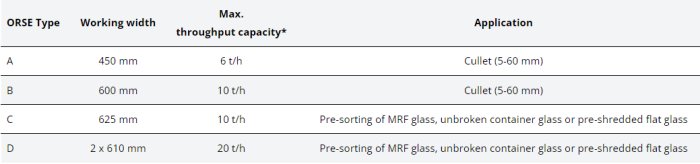
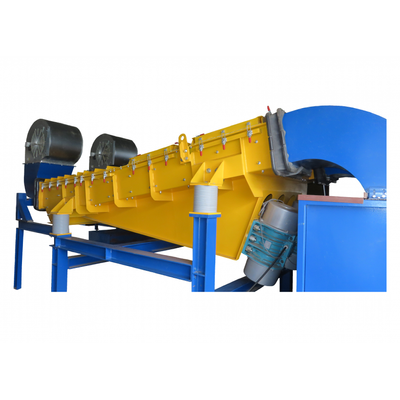
The ORSE Separator, developed by Christian Eibl, is designed for the sophisticated separation of organic and plastic materials within glass recycling processes. This innovative equipment is ideal for use in various recycling contexts, whether for container glass, flat glass, or MRF (Material Recovery Facility) glass recycling. It's compatible with both dry and wet input materials, ensuring flexibility across different operational conditions. The separator excels in eliminating light impurities, thanks to its counterflow air channel that effectively removes materials with a lower specific weight than glass. The system's adjustable air speed provides precise separation, distinguishing between broken glass and lighter contaminants. A horizontal air flow arrangement enhances the separation degree, outperforming conventional vertical systems or zigzag classifiers. Additionally, the multi-stage separation ensures even the most challenging impurities are removed efficiently. Depending on specific application requirements, such as dust content, additional dust filtering can be configured. The ORSE Separator is available in various versions tailored to impurity levels, cullet size, and material moisture content.