


Sülzle-KOPF - Pellet Heating System
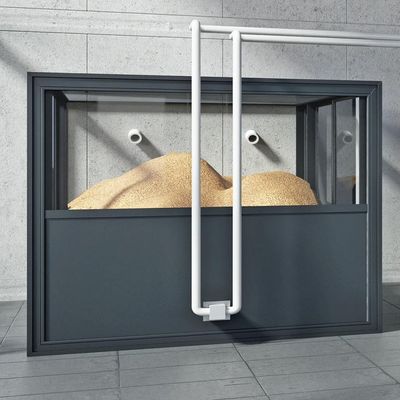
Using pellets for efficient use of waste from the wood industry. Pellet heating systems are considered an environmentally friendly alternative to gas or oil heating systems . Their CO2 balance is significantly better, especially when using pellets from sustainable forestry. Particle separators also minimize the emission of fine dust. This makes pellet heating systems eligible for subsidies. The system burns wood sticks made from dried, natural waste from the wood industry. The chemical-free pressed pellets end up in the boiler via a conveyor system and heat the water in the house. It is also possible to combine it with a pellet stove as a design element in your living space. Buffer storage increases the efficiency of a pellet heating system.
system
Anyone who installs a pellet heating system in their home is consciously opting for a complex heating system:
- Increased effort for maintenance and cleaning
- room for heating system and pellet storage
- Regular reordering of pellets
- Regular removal of ash
- Regular boiler cleaning
- Annual professional maintenance
cost calculation
Wood is a finite resource, forests are changing due to climate change and tree death. It is therefore difficult to estimate how the price of pellets will develop in the long term. This makes it difficult to calculate the cost of a pellet heating system. Are you unsure of the bottom line of what a pellet heating system will cost? Energy consultants from SÜLZLE KOPF look at the total costs.
A pellet heating system uses renewable fuels to generate heat in the house. In old buildings it has several advantages:
- Practical solution for switching to heating with renewable energies
- High flow temperatures
- Ecologically sensible when burning compressed wood waste from the region and sustainable cultivation
- continued use of radiators, fireplaces and basement rooms
- elimination of costly renovation
- Hybrid combinations with solar thermal energy reduce heating costs and energy consumption