


- Home
- Companies
- Idea Stampi S.r.l.
- Products
- Idea Stampi - Polymer Injection Molding
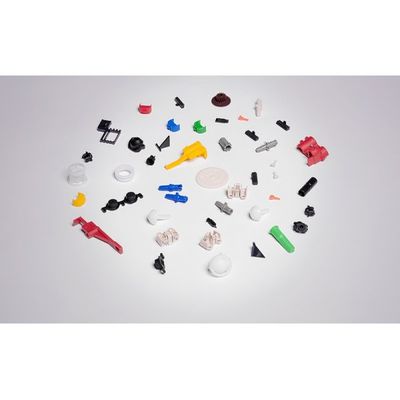
Idea Stampi - Polymer Injection Molding
Idea Stampi was founded as a mold construction enterprise in 1986: since then we have been dealing with polymer injection molding, such as polypropylene, pvc and thermoplastic polyutrethane injection molding. However, we have decided to take a step further, and buy some press machines which allows us to reach two important goals: we can manage the whole production process within the company. we can also offer a thermoplastic injection molding service from start to finish, which includes the pre-production of batches and the delivery of finished products
How Idea Stampi deals with technopolymer injection molding
Idea Stampi is able to work with technopolymer injection molding technology using dedicated machines. Idea Stampi is able to mold plastics and process technopolymers with precision injection molding. Technopolymers are special materials with even higher performance and higher strength, designed specifically for the electrical, electromechanical and electronic, household appliance, construction, food, automation, industrial, medical, and personal care sectors.
Technopolymers are also known as engineering plastics or engineering polymers because they possess such strength and stiffness characteristics that they can also be used in the engineering field, replacing metals.
In general, engineering polymers:
- Possess good or excellent dimensional stability;
- Retain good mechanical properties even at temperatures above 100°C;
- Are easily processed;
- Withstand dynamic loads and aging.
Once molded, our products undergo other processes such as coating, chrome plating (both plastic and aluminum), and assembly.
What the polymer injection molding process consists of
Polymers such as polypropylene, polyurethane and PVC are considered polyolefins and are the most used plastics in injection molding. As the basic properties of polymers can be easily modified with a broad range of fillers, reinforcements and chemical modifiers, they are frequently used for injection molding.
This kind of polymer injection molding forces molten polymers under high pressure into a mold cavity through an opening called a sprue. The material, in the form of pellets, is fed into an injection molding machine through a hopper and conveyed forward by a feeding screw.
To make production run more smoothly, products undergoing injection molding must be carefully designed. For this reason, products made with plastic injection molding machines are first designed by an industrial engineer or designer. Then, a toolmaker creates the mold, usually from steel or aluminum.
The injection molding process consists of several steps:
- First, the mold is inserted into the polymer injection molding machine. The press closes the mold, which, thanks to the clamping tools, remains closed during the plastic injection molding process.
- At this point, the molding machine heats the plastic and makes it liquid.
- The nozzle of the injection molding machine then injects the molten plastic into the mold. The mold cavity is then filled with the plastic liquid, which cools to form a solid product.
- Eventually, ejectors push the cooled product out of the machine as a finished part. The injection molding process is now completed.