

- Home
- Companies
- VALIANT Entech Private Ltd.
- Products
- Solar Sludge Drying System for ...
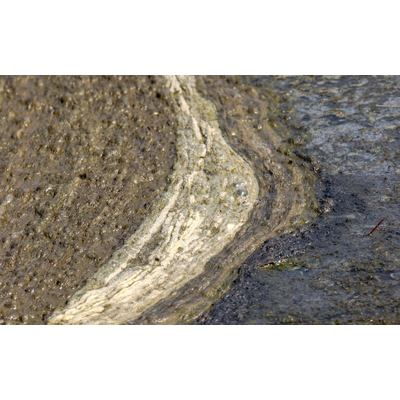
Solar Sludge Drying System for Efficient Sludge Management
Traditional methods for sewage and chemical sludge disposal, like agricultural use or landfilling, have become problematic due to rising concerns over contaminants. Solar Sludge Drying (SSD) offers an innovative solution by leveraging solar energy to evaporate water from sludge, reducing its volume significantly. The sludge is dried in specially designed halls under transparent covers, heated by sunlight and mixed by mechanical systems to ensure uniform drying. This process curtails odors and pathogens, transforming the sludge into a valuable resource for energy production or as a pathogen-free fertilizer. Notably, the system can achieve up to 90% dry solids, producing material with energy values between 9-12 MJ/kg. Collaboration with i+M Zizzmann has enhanced its implementation, particularly in India and the MENA region, showcasing its effectiveness across diverse climates. The system's flexibility and advanced control mechanisms ensure a customizable drying process suited to various operational needs, promoting sustainable waste management.
The disposal of sewage and chemical sludge has been a widely debated issue for many years. Traditional disposal methods include using sludge as agricultural fertilizer, reclaiming land, dumping in landfills, and co-combustion of dewatered sludge. However, concerns have risen over contaminants like heavy metals, antibiotics, pathogens and other harmful substances, making agricultural use and landfilling increasingly problematic. With rising fossil fuel costs, dried sewage sludge presents a promising alternative as a new green energy source—CO2 neutral and locally accessible