


- Home
- Companies
- gSource, LLC.
- Services
- Manufacturing Services
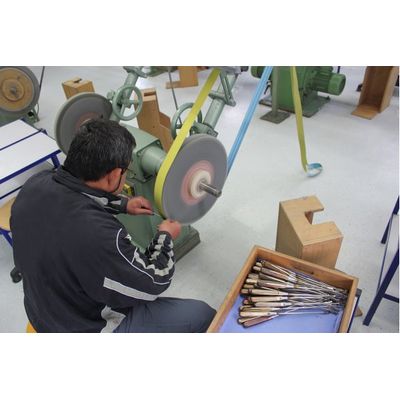
Manufacturing Services
gSource instruments are manufactured from stainless steel. Stainless steel, though not truly stainless, is a highly corrosion and rust-resistant material. The metal is extremely strong and durable and has the ability to form protective or “passivation” layers.
Stainless steel differs from carbon steel by the amount of chromium present. Unprotected carbon steel rusts readily when exposed to air and moisture. This iron oxide film (the rust) is active and accelerates corrosion by forming more iron oxide. Stainless steels contain sufficient chromium to form a passive film of chromium oxide, which prevents further surface corrosion and blocks corrosion from spreading into the metal`s internal structure. Passivation only occurs if the proportion of chromium is high enough.
Most gSource surgical instruments are made from German stainless steel type 1.4021 - equivalent to American steel type 420. This steel is highly corrosion resistant and has excellent longevity when properly maintained. Steel type 1.4021 is composed primarily of iron. Other components are:
- Carbon : 0.17-0.25%
- Silicon : ≤ 1.0%
- Manganese : ≤ 1.0%
- Phosphorous : ≤ 0.045%
- Sulphur : ≤ 0.043%
- Chromium : 12.0-14.0%
Heat Treatment
During the manufacturing process every effort is made to ensure that the instruments are corrosion resistant. However, if not properly maintained, stainless steel can rust and stain, reducing the life of the instrument or rendering it useless. For more detailed information on instrument care, see our Instrument Care & Cleaning instructions.
Heat treating makes the instruments hard and enables them to withstand rigorous use. Stainless steel is brought to a very high temperature and then cooled until it has reached the proper hardness. Hardness is measured in units called Rockwell Hardness (HRc). A typical hardness range for needle holders is HRc 40-48. For scissors, the range is HRc 50-58.
Heat treating and steel selection are just two of the more than 80 steps required to produce surgical instruments to gSource standards. We monitor and verify the accuracy of our manufacturing process through frequent audits.