
- Home
- Companies
- WEW Engineering Ltd
- Services
- Sustainability Audits

Sustainability Audits
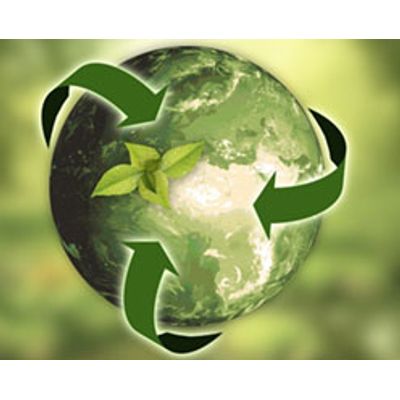
In combination with our standard energy audit of the plant and processes, we also provide an in-depth study of the treatment system, its unit operations, and process efficiencies. This combined with the results of the energy audit enables us to develop holistic alternatives and options incorporating the latest proven innovations for improvements to the plant sustainability. These may include Biological Nutrient Removal (BNR), Energy Efficiency programmes and conversion of conventional plants to sustainable state of the art process facilities, incorporating Anaerobic and Aerobic technology, bioenergy production, and conservation engineering, aiming for minimal carbon/water footprints.
Consideration is also given to the possibilities for recycle and reuse of by-products such as sludges, digestates, recovered nutrients, and the reclamation of retentates and washwaters. In many cases, the issue of water reuse may justify advanced treatment of condensates or high-quality tertiary effluents for recycling and reuse. The sustainability report is presented with costed recommendations for maximum reduction in energy and chemical outlay.