

- Home
- Companies
- Integrity Next GmbH
- Software
- Integrity Next - Forced Labor ...
Integrity Next - Forced Labor Prevention Software
Detect and Eliminate Forced Labor From Your Supply Chain. Identify, assess, and mitigate forced labor risks with full-scope supply chain visibility, automated risk detection, and supplier engagement tools that drive real improvement.
Sustainability and Compliance Expertise
Leverage deep expertise in human rights due diligence, forced labor laws, and supply chain transparency to meet the strictest global standards—including UFLPA and EUFLR.
AI-Powered Transparency
Enhance visibility with AI-driven risk monitoring, automating the detection of forced labor indicators, flagged suppliers, and reputational risks across every tier.
One Solution, Multiple Mandates
Use the same platform to address forced labor, ESG risk, sanctions, due diligence laws, and sustainability goals—without fragmented tools or workflows.
From Risk to Remediation
Move from risk detection to action with built-in supplier engagement, corrective action tracking, and documentation tools that support defensible compliance.
Global Supplier Network Advantage
Access a pre-onboarded network of over 2 million suppliers to accelerate data collection, increase response rates, and reach even sub-tier suppliers with ease.
Scalable and Future-Proof
Adapt quickly to today’s enforcement demands—and tomorrow’s. IntegrityNext is built to evolve alongside global regulations, giving you long-term confidence in your forced labor compliance strategy.
Uyghur Forced Labor Act (UFLPA)
Ensure compliance with the U.S. Uyghur Forced Labor Prevention Act (UFLPA) by identifying high-risk suppliers and managing evidence-based due diligence requirements.
Modern Slavery Acts (UK, CA, AU, US)
Support compliance with global modern slavery legislation—including the UK Modern Slavery Act, Canada’s SB-211, Australia’s Modern Slavery Act, and California’s Supply Chain Transparency Act—by identifying risks and documenting responsible sourcing practices.
EU Forced Labor Regulation (EUFLR)
Prepare for the EU Forced Labor Regulation with proactive supplier screening and traceability to prevent forced labor-linked goods from entering your supply chain.
Book a demo to learn how IntegrityNext helps you create transparent, ethically sound supply chains—meeting global standards and strengthening stakeholder confidence through credible forced labor prevention.
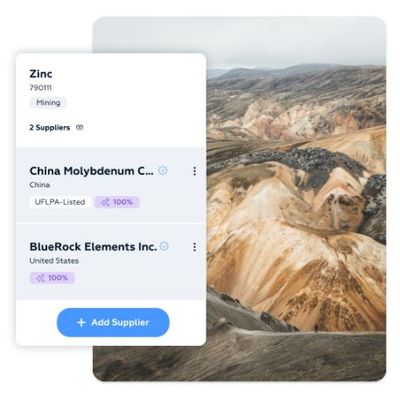
Gain deep visibility into your entire supplier ecosystem—including sub-tiers and raw material sources—to uncover potential forced labor exposure. Analyze geographic, sectoral, and supplier-level data to identify high-risk regions, flagged entities, and vulnerable industries, enabling smarter prioritization and targeted action.
Automatically identify and flag suppliers with known links to forced labor regions such as Xinjiang and those listed on the UFLPA Entity List and global sanctions databases. Our platform ensures comprehensive, audit-ready traceability that aligns with regulatory requirements like UFLPA and the EU Forced Labor Regulation, reducing legal and operational risks.
Collect critical information from suppliers on labor conditions, working hours, ethical hiring, and forced labor prevention through intuitive, standardized surveys available in 14+ languages. Designed for high participation and ease of use, these assessments improve response rates and data accuracy while reducing administrative burdens.
Continuously monitor suppliers for signs of forced labor violations with our AI-powered news engine. The platform scans millions of global sources daily and uses sentiment and keyword analysis to detect relevant controversies—automatically surfacing risks and triggering alerts so you can take swift, informed action.
Easily assign, manage, and track corrective actions when risks are identified. Collaborate with suppliers directly in-platform to document remediation steps, ensure accountability, and drive measurable improvement. Every action is time-stamped and audit-ready, creating a transparent, defensible trail of compliance activity.
Discover how our platform enables you to map risk exposure, flag high-risk suppliers, and drive remediation efforts—across every tier of your global supply chain.
Hidden Risks Beyond Tier-1
Forced labor often occurs in sub-tiers or in high-risk geographies and sectors—far from the direct supplier relationships most companies can see.
Evolving Laws and Rising Enforcement
From the UFLPA to the EU’s Forced Labor Regulation, companies must meet strict due diligence, traceability, and documentation requirements—or face detentions, fines, and bans.
Low Supplier Readiness
Suppliers may be unaware of forced labor expectations or lack the capacity to respond to assessments, provide evidence, or implement corrective measures.
Fragmented Processes and Data
Risk signals are scattered across systems, news, documents, and supplier self-disclosures.
IntegrityNext helps you detect, assess, and act on forced labor risks—across all tiers of the supply chain. With automated screening, supplier engagement tools, and full-scope visibility, you can meet regulatory requirements, protect your brand, and drive real accountability at scale.
Comply Confidently with UFLPA, EUFLR, and Other Laws
Meet global forced labor due diligence requirements through automated supplier screening, documentation collection, and traceability tools designed for compliance.
Detect and Reduce Forced Labor Exposure Across Tiers
Identify country, sector, and supplier-level risks—including in indirect and sub-tier suppliers—with comprehensive ESG risk mapping and real-time news tracking.
Engage Suppliers at Scale and Drive Improvement
Use multilingual, standardized assessments and built-in collaboration workflows to collect data, initiate corrective actions, and guide suppliers toward compliance.
Increase Transparency and Strengthen Accountability
Ensure stakeholders—from procurement to legal and sustainability—have visibility into risk exposure, supplier progress, and compliance status at any time.
Forced labor still affects 28 million people globally. With tightening regulations in the EU, UK, US, and Canada, companies face growing pressure to uncover hidden risks and ensure strict compliance.
This white paper breaks down the evolving regulatory landscape, highlights differences between jurisdictions, and shares effective strategies for managing forced labor risks.
Forced labor is no longer a hidden issue—it’s a frontline compliance risk. Regulators, consumers, and investors are demanding proof that your supply chain is clean. Without full visibility and defensible due diligence, the consequences are steep.
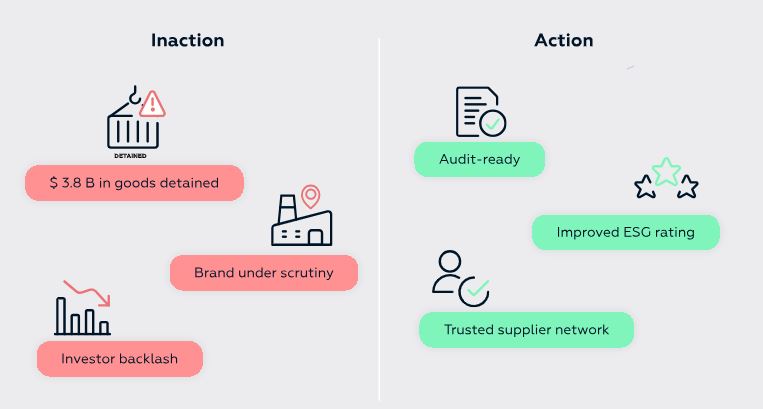
- $3.8B+ in goods detained under UFLPA enforcement since 2022—with no signs of slowing as scrutiny increases.
- 28 million people trapped in forced labor worldwide—including across global corporate supply chains.
- UFLPA applies a presumption of guilt—goods are banned unless the importer can prove they are free of forced labor.
- Intense global scrutiny from regulators, customers, investors, and watchdogs—all demanding credible evidence of ethical sourcing.