
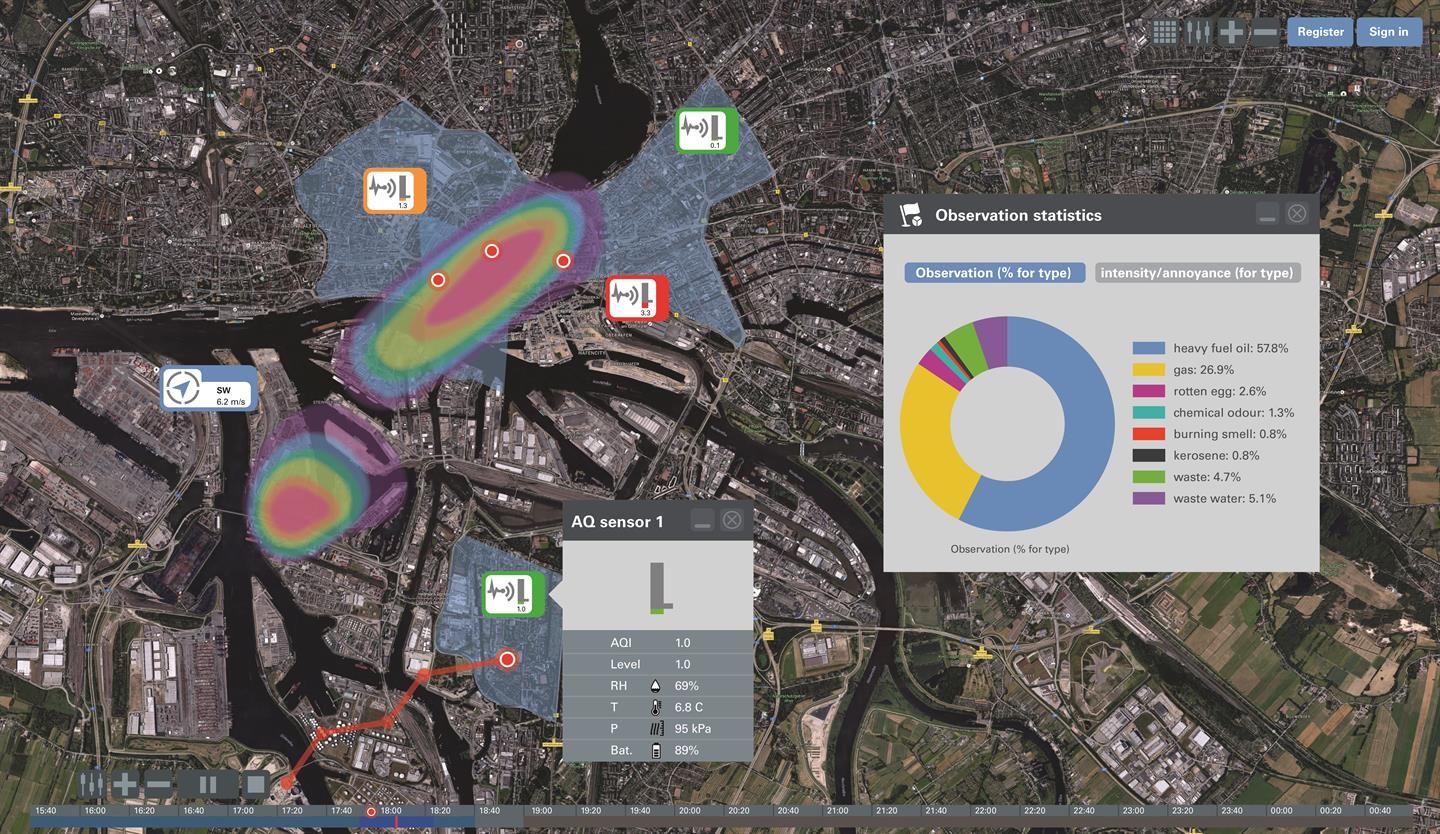

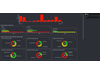
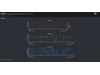
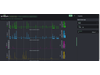
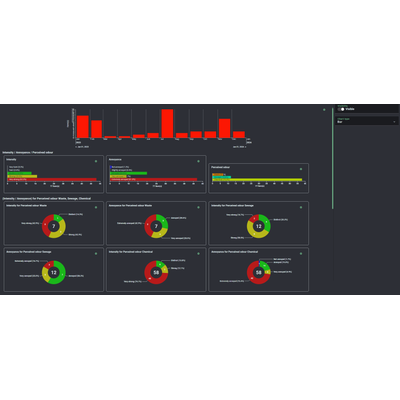
Turn data into actionable reports – effortlessly!
- Automate recurring reports
- Customize insights for different stakeholders
- Easily compare historical, real-time, and forecasted data
Spend less time compiling reports and more time making data-driven decisions!
Stay ahead of environmental risks with alerts & notifications
Real-time awareness. Instant response. Smarter decisions.
Ortelium’s "Alerts & Notifications" feature keeps you informed of critical environmental events as they happen, empowering you to take action in time. Whether it’s a sensor threshold breach, an important environmental observation, or a dispersion model warning, Ortelium ensures you receive the right information at the right moment.
- Instant alerts for rapid response
- Configurable notifications tailored to your needs
- Seamless integration across all Ortelium modules
Protect your operations, improve compliance, and mitigate environmental risks – all in real-time!

Ortelium allows you to combine, streamline and cross-reference different data channels, so that you can establish a more meaningful picture of the environmental situation, draw the right conclusions and make data-driven decisions.
- Analysis and validation of an existing complaint situation
- Continuous monitoring of emissions within the facility boundaries
- Odour impact forecasting and pro-active process management
Combining complaint data with local weather data, provides a structured complaint validation process, which is accompanied by an open communication process.
Benefit from the following features:
- standardised complaint forms so that the information collected can be centrally managed, (statistically) analysed and followed-up
- multiple, individualized complaint forms to address different parameters, e.g. odour, dust or noise complaints, or different stakeholder groups, e.g. citizens or technical staff
- a simplified interaction with affected community by signalling responsibility and willingness to cooperate
- comparing time and location of an observation with the location of potential nuisance sources and wind direction
- sophisticated reverse trajectory analysis to backtrack the pathway of an observation to the potential source
- communicating results of a validation back to the complainant
Combining these features in one system not only increases the efficiency of the processes it also provided a basis for internal or external reporting.
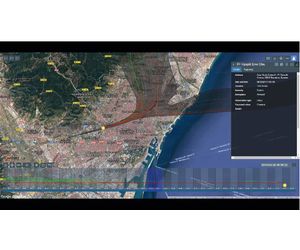
Continuous monitoring of emissions within the facility boundaries
Companies which run odour intensive processes have an interest to self-monitor the emissions of their site and to understand if, when and where odours might be escaping from their facility boundaries.
Combining 24/7 monitoring capabilities of specifically trained and optimised fenceline odorant monitors (sensors), with local weather data and odour observations reported by internal staff, we can set up an odour monitoring programme designed just for you.
These sensor systems make use of gas sensors to detect and quantify industry-specific key odorants, such as H2S, CH4S, NOx, SO2 or PM. Even though there are still some methodical shortcomings and technical challenges to overcome in sensor-supported odour monitoring, industry-specific sensor signals can provide useful information for the odour management process, which, combined with human-sensory observations and meteorological data can help to better understand and evaluate the odour situation.
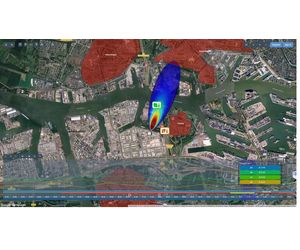
Odour impact forecasting and pro-active process management
Combining forecasted weather data with dispersion modelling based on your plant’s process schedules and associated emission rates can help to better understand potential future impacts on residential areas and to provide a basis to proactively take actions.
Ortelium provides recommendations on how to adapt process parameters to reduce the forecasted odour impact, e.g. by increasing the amount of odour mitigating chemicals in wastewater treatment processes, reducing pumping speeds of pipes transporting odorous substances in the petrochemical industry or temporarily activating additional filter systems.
If the process conditions cannot be changed, a process might still be shifted to a different time slot, when meteorological conditions are more favourable to avoid impacts on the community.
In cases in which neither is possible, operators can still pro-actively and transparently inform communities about the likeliness of an odour impact, which helps to build trust and increases the acceptance of odour impacts when they actually occur.
Streamlining the registration of odour complaints in Ortelium further allows to use the generated odour dispersion results to retrospectively validate complaints received against the output of the modelling.