
- Home
- Applications
- netherlands
- toxicity testing
Show results for
Refine by
Toxicity Testing Product Applications In Netherlands
10 applications found

ByMicroBioTests Inc. based in Gent, BELGIUM
ByMicroBioTests Inc. based in Gent, BELGIUM
ByMicroBioTests Inc. based in Gent, BELGIUM
ByMicroBioTests Inc. based in Gent, BELGIUM
ByMicroBioTests Inc. based in Gent, BELGIUM
ByMicroBioTests Inc. based in Gent, BELGIUM
The way is now open for more widespread use of direct toxicity tests as a basis for toxicity-based consents. Samples of the industrial effluent are collected at source, for testing on the actual bacteria of the receiving activated sludge. The tests used are the Respiration Inhibition Test and the Nitrification Inhibition Test. Note that this approach mirrors that of the regulators of discharges to ...
ByStrathkelvin Instruments Limited based in North Lanarkshire, UNITED KINGDOM
An alternative approach is to undertake toxicity reduction procedures, such as neutralisation or acid hydrolysis, in pilot-scale laboratory studies. The Respiration or the Nitrification Inhibition Test may be used for this. In the future, toxicity reduction may be stipulated by local authority, water company or publicly-owned treatment works prior to giving discharge consents. Toxicity reduction may be evaluated using toxicity ...
ByStrathkelvin Instruments Limited based in North Lanarkshire, UNITED KINGDOM
If industrial wastewater entering a treatment works contains toxic components the rate of biodegradation will be inhibited or stop completely. This can result in failed consents and will certainly give rise to operational problems. Visible indications include deflocculation, bulking and the appearance of filamentous bacteria. Sometimes, there are no visible effects. When the sludge bacteria are inhibited, there is the possibility of toxicity carryover in the effluent that is discharged to receiving waters. With ...
ByStrathkelvin Instruments Limited based in North Lanarkshire, UNITED KINGDOM
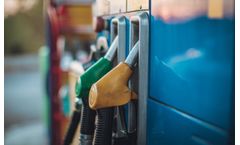
Aromatics and ethers are added to gasoline to reduce carbon monoxide emissions and increase octane number. However, aromatics are toxic for health and environment. Test methods to determine benzene and the aromatic content of gasoline are necessary to ...
BySCION Instruments BV - Techcomp Group based in GP Goes, NETHERLANDS