
- Home
- Applications
- usa georgia
- water chlorination
Show results for
Refine by
Water Chlorination Product Applications In Georgia (USA)
9 applications found
Premium
Oxidation Reduction Potential or Redox is the activity or strength of oxidizers and reducers in relation to their concentration. Oxidizers accept electrons, reducers lose electrons. Examples of oxidizers are: chlorine, hydrogen peroxide, bromine, ozone, and chlorine dioxide. Examples of reducers are sodium sulfite, sodium bisulfate and hydrogen sulfide. Like acidity and alkalinity, the increase of one is at the expense of the ...
ByMyron L Company based in Carlsbad, CALIFORNIA (USA)

All these organisms thrive in non-chlorinated water. Exposure to an RWI can cause mild to severe diarrhoea, gastrointestinal distress and eye, ear and skin infections. Chlorine is added to water in swimming pools and other water bodies to control algae growth, get rid of insect larvae and kill harmful bacteria, viruses and pathogens. Chlorination keeps swimming pools, water parks, fountains and ...
ByPristine Water based in , INDIA
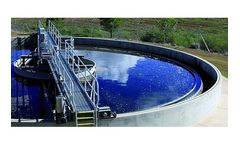
Peristaltic pumps are proven performers in water and waste treatment solving problems including: Dosing and metering treatment chemicals and reagents including ferric chloride (“Ferric”), sodium hypochlorite (“Hypo”), chlorine water, lime (Kalic® or Kalkmilch), caustic soda, powder activated carbon and polymers. ...
ByVerder Liquids BV - part of the Verder Group based in Vleuten, NETHERLANDS
Sea water systems on many offshore platforms are treated with small amounts of chlorine to prevent marine growth inside piping and equipment. Marine growth and fouling in Floating production Storage and Offloading vessels (FPSO) reduces heat transfer in condenser and heat exchanger and restricting cooling water flow in pipes. This reduces the overall efficiency and safety of the plant. ...
ByPristine Water based in , INDIA

Ballast water tanks on board ships are filled with water from one sea and discharged in another sea can cause marine ecological imbalance by introducing foreign species of aquatic life. The discharge of water from ballast tanks has been responsible for the introduction of species that cause environmental and economic ...
ByPristine Water based in , INDIA

Most power plants, be in Nuclear or Gas or Coal based, come up close to rivers, canals and the sea as they need large amounts of cooling-water. All water, especially sea water, contains fish, sea organisms, pathogens and algae. This leading to micro and macro fouling which adversely affects the efficiency of the power ...
ByPristine Water based in , INDIA
Sulfates and hydrogen sulfide are both common nuisance contaminants. Although neither is usually a significant health hazard, sulfates can have a temporary laxative effect on humans and young livestock. Sulfates also may clog plumbing and stain clothing. Hydrogen sulfide produces an offensive 'rotten egg' odor and taste in the water, especially when the water is ...
ByChartWater™ - A Chart Industries Company based in Duluth, GEORGIA (US) (USA)

Drinking water sources such as groundwater, reservoir water, late or pond water are open to contamination and hence require appropriate treatment to remove disease-causing agents. Public or Municipal drinking water systems use various methods of water treatment to provide safe drinking water for their communities. The typical steps involved are Coagulation and Flocculation, Sedimentation, Filtration and ...
ByPristine Water based in , INDIA

All Hotels and resorts use water everywhere like bathing, laundry, cooking, drinking, cooling, swimming pools, fire water etc. Main concern of providing and storing water is to keep them pure free from contamination and prevent the growth of algae and ...
ByPristine Water based in , INDIA