
Abalone Articles & Analysis
8 articles found

Characteristics, structure and resources of the sector Summary South Africa has suitable environmental conditions for aquaculture development and opportunities for commercial production of various cultured species. The local aquaculture sector has performed below its potential and remains a minor contributor to national fishery products and the country’s GDP. However, more focus is being ...
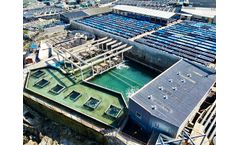
Challenge In 2017, a red tide swept through Walker Bay, South Africa. Abagold, an abalone farm based in the coastal town of Hermanus, lost 30 percent of its animals. Abalone are slow growing creatures, and it took years for stock to recover to previous levels. ...

Project Details PRODUCT(S): miniDOT Logger APPLICATION: Salt Water PARAMETER: Dissolved Oxygen, Temperature LOCATION: Bodega Bay, California ORGANIZATION: White Abalone Restoration Consortium RECOGNITION: Katie Sowul, UC Davis Case Study Description Researchers from the University of California, Davis (UCD), the National Oceanographic and Atmospheric Administration, ...

Sage represents the earth element and when burned, the smoke from it represents the air. Abalone shell This is meant to hold and burn the plants. (The shell represents the water element) Matches or a lighter (representing the fire element) Feather (representing the air element) Drum(s) or sacred drumming music (representing the beat of the heart) The science behind these types ...

Choosing of fish meals should be in accordance with the different kinds of fishes: for sinking feeds are sturgeons, ayu, flatfish, rock fish, and red fish; for powder feeds are eel, turtle and sea fish; for particle feeds are prawn, tilapia, crab, grass carp and abalone. Sustainable Development of the Fishery in Indonesia With the development of Indonesian Fisheries, ...

The illegal exploitation of wild abalone in South Africa has been escalating since 1994, despite increased enforcement, leading to collapse in some sections of its range. South Africa banned all wild abalone fishing in 2008 but controversially reopened the fishery in 2010. This paper formulates a poacher's model, taking into account the realities of the ...

While most marine organisms can adapt to this increase in salinity, some aquatic species such as abalone, sea urchins, sand dollars, sea bass and top smelt, are less tolerant to high salinity concentrations. ...
The most important Phaeophyta are exploited for alginate production and as abalone feed. Among the Rhodophyta, Chilean production comes mainly from wild stocks, as at present cultivation on a commercial scale is restricted to Gracilaria. ...