
Refine by
Accident Regulation Articles & Analysis
13 articles found

Elevator safety inspections help prevent accidents, ensure compliance with safety regulations, and enhance operational efficiency. ...
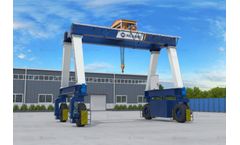
In some advanced systems, cranes automatically stop or slow down to avoid accidents. Travel and Steering Interlocks Mobility is a defining feature of RTG cranes, but uncontrolled or unsafe movement can lead to accidents. ...
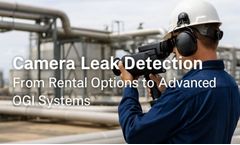
Introduction: Why Camera Leak Detection Matters Gas leaks pose significant safety, environmental, and financial risks. Methane and other volatile compounds are invisible to the naked eye, but even small leaks can lead to catastrophic accidents, regulatory fines, and lost revenue. For decades, industries relied on handheld sensors that could only measure one point at a time. Today, a camera leak ...
ByOPGAL
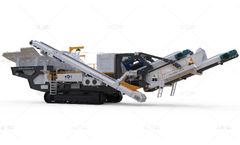
Safety Training: Provide regular safety training to prevent accidents and ensure compliance with safety regulations. Implementing Safety Protocols Safety is paramount in an aggregate plant. ...
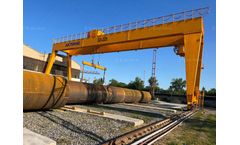
Look for features such as overload protection systems, anti-collision sensors, emergency stop mechanisms, and operator safety devices to minimize the risk of accidents and ensure compliance with safety regulations. Maintenance Requirements Another crucial factor to consider when selecting a gantry crane is its maintenance requirements. ...
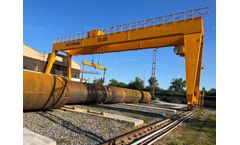
Proper installation sets the foundation for reliable performance, while regular maintenance and inspections help extend the crane's lifespan and prevent accidents. Adhering to manufacturer guidelines, local regulations, and industry standards is key to a successful and productive crane operation. ...
As workplaces and industries become more complex, ensuring the safety of employees and complying with regulations has become a paramount concern. This is where safety consultants play a crucial role. ...

High risk industries, like the chemical and manufacturing industries, are highly regulated to help prevent Major Accident Hazards like explosions, fires and toxic chemical releases-but it wasn’t always that way. Most process safety regulations around the world were put into place after major safety incidents occurred. ...

Regulations change constantly and it is difficult to stay abreast of the changes. ...

There are also laws seeking to prevent major industrial accidents in many other countries around the world. To take just a few examples[1]: China Emergency Response Law (Presidential Ordinance No.69 of 30 August 2007) Safe Production Law (29 June 2002, National People’s Congress, as last amended on 31 August 2014) India Environment (Protection) Act No. 29 of 26 ...

In everyday routine, the present regulation imposes excessive cost on society, effectively leading to loss, rather than to saving, of life. ...
The first part of the paper analyses the Seveso accident, which occurred in 1976 in northern Italy. It focuses mainly on sociological and organisational aspects, pointing to the lack of preparation and the improvisation in response from the company and the public authorities. ...

This column briefly summarizes what to expect in the year ahead. EPA and OSHA mandate accident prevention programs, and hold the owner or operator of a stationary source responsible for complying with specific facility regulations intended to prevent accidents. EPA has published regulations for chemical ...