
Refine by
Acid Gas Articles & Analysis
292 articles found
Sources of VOCs Emissions in Oil & Gas Operations VOCs emissions in oil and gas field scenarios primarily originate from upstream and midstream processes: extraction, gathering, transportation, storage, and on-site wastewater treatment. Pollutants are released both as organized stack discharges and fugitive leaks across facility boundaries.Hydrocarbons make ...
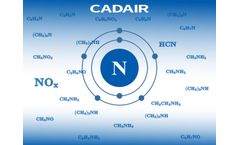
For example, alkaline solution (NaOH) is used to absorb acidic gases (such as HCN and NOₓ), and acid solution is used to absorb alkaline gases (such as NH₃) Applicable Scenarios: Suitable for treating high-concentration, water-soluble nitrogen-containing organic waste gases, or as a pretreatment or post-treatment process: Pretreatment: Removes ...
These solutions are widely used in shipbuilding, automotive, printing, electronics, petrochemical, and many other industries, making CADAIR a reliable organic waste gas treatment manufacturer trusted by numerous enterprises. 1. VOC Characteristics and Treatment Cases in the Shipbuilding & Container Manufacturing Industry Waste gas in shipbuilding and ...
To prevent excessive reaction and generation of unnecessary by-products, the cracked gas needs to enter the quenching system immediately and be cooled to below 650°C to terminate the cracking reaction. 4) Gas separation and purification: The quenched cracked gas is compressed, cooled and separated to gradually remove impurities such as tar, ...
Applicable VOC Types Suitable for organic solvents with boiling points between 40°C–200°C, including: Aromatic Hydrocarbons Benzene Toluene Xylene Ethylbenzene Styrene (requires special design considerations) Esters Ethyl acetate Butyl acetate N-propyl acetate Ketones Acetone MEK (Methyl Ethyl Ketone) MIBK (Methyl Isobutyl Ketone) Cyclohexanone Alcohols IPA (Isopropyl ...
To prevent excessive reaction and generation of unnecessary by-products, the cracked gas needs to enter the quenching system immediately and be cooled to below 650°C to terminate the cracking reaction. 4) Gas separation and purification: The quenched cracked gas is compressed, cooled and separated to gradually remove impurities such as tar, ...

Pyrolysis is a promising technology for converting waste materials such as tires, plastics, and oil sludge into fuel, carbon, and gas. While it provides environmental and economic benefits, it also produces emissions that must be managed responsibly. ...
Complex & Variable Compositions: Various pollutants are continuously generated during production, including acidic exhaust, alkaline exhaust, organic volatile gas, and special process gas. ...
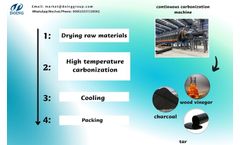
At high temperatures, this water vapor can cause corrosion to the furnace body, piping, and other components; this corrosive effect is particularly intensified when combined with acidic gases produced during the combustion of certain types of biomass. ...
Front-end Pretreatment: Integrates baghouse dust collectors and alkaline scrubbers to remove dust and acid gases, ensuring safe RTO operation. Adsorption Concentration: Zeolite rotors feature 5-40x concentration ratio, 300,000 Nm³/h single-unit capacity and over 8-year lifespan, significantly reducing system scale and operational costs. ...

Stainless Steel Pipes (Corrosion Resistance) When dealing with acidic fluids or extreme temperatures, stainless steel is mandatory. 304/304L: Standard grade for general corrosion resistance. 316/316L: Contains Molybdenum, making it highly resistant to chlorides and pitting—perfect for coastal refineries or aggressive chemical processing. 321/347: Stabilized grades used for ...

Plant upgrades aeration system for lower power consumption and increased operating flexibility. Project Information Project Type: Municipal Wastewater Treatment Plant Completion Date: March 2010 Treatment Objectives: Reduce Power Usage by 56% ...

250Vacuum acid removal systems are crucial equipment in laboratory and industrial production for the efficient removal of acidic components from samples, and their stable operation is paramount. ...

FTL/Osprey have in collaboration with their Australian licensee received an order for the design and supply of five TurboScrubber systems for the mining industry. The project is part of $1.45 billion investment by Inco Limited at its Goro Nickel facility in the French Overseas Territory of New ...
Problem: How to meet the MACT emission standards at the Eli Lilly ...
The vacuum acid removal system is a highly efficient, flexible, safe, and intelligent laboratory sample pretreatment device. ...
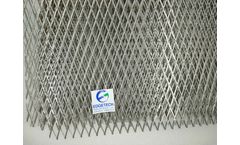
Its corrosion-resistance property plays a significant role when dealing with corrosive environments involving acids, alkalis, and gas. Titanium mesh is commonly found in heat exchangers, reactor vessels, filtration systems, and electrolytic processes where durability and chemical stability are indispensable. ...
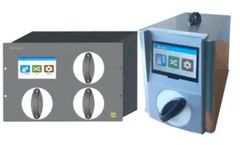
Discover the new EU regulation on ammonia emissions and learn how the PermaCal calibrator helps you achieve precise and compliant measurements. Ammonia (NH3) is an alkaline gas that negatively affects air quality, promoting the formation of secondary PM2.5 and interacting with other pollutants such as nitrogen oxides (NO?), sulfur dioxide (SO2), and volatile organic compounds (VOCs). ...

Introduction: Reliability When It Matters Most Industrial facilities rarely operate in controlled, comfortable conditions. Oil fields experience scorching desert heat. Offshore platforms endure high winds, salt spray, and brutal humidity. Chemical plants face corrosive vapors, particulate dust, and extreme temperature swings. In these environments, detection equipment must perform flawlessly ...
ByOPGAL
System: Packed tower and carbon filter pilot plant Application: Two stage packed tower system and carbon filter Soluble acid gas and/or ammonia removal, VOC removal and odour removal 1,000 m3/hr air flow Pilot trials, scrubber hire, or proof of concept demonstration plant ...