
Refine by
Activated Sludge Articles & Analysis: Older
1,070 articles found

The facility was upgraded with a conventional activated sludge technology, but due to the heavy loads on this plant, it could not function properly, resulting in odor issues and improper phosphate removal. ...

Introduction The City of Monticello, Indiana operates an extended aeration activated sludge treatment system to handle 1.6 MGD of flow. Up until 2019, the city had relied upon chlorination to control foaming caused by FOG filaments, specifically Microthrix parvicella. ...
If you have read the stalked ciliate entry in our microorganism database, you know they have an inverted bell-shaped head called a zooid, come in a variety of sizes, and fall into one of two distinct groups: those with a lorica (a shell) and those without. The database even touches on how both types have the ability to contract. But why do these organisms contract? While contractions are often ...
This Coca Cola bottling plant added a new bottling line that doubled its production that, in turn, doubled the organic loading to its activated sludge waste treatment ...
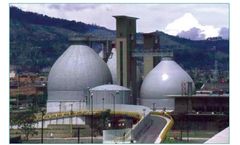
Abstract: One of the major costs associated with the operation of biological wastewater treatment is the handling and disposal of sludges generated primarily in the conversion of soluble organics as measured by BOD/COD into either carbon dioxide (aerobic) or methane (anaerobic), water and bacterial cells. Often times the sludge generated in either of these processes may be subsequently treated in ...
Location: Polymer Manufacturer, Texas Background: A water-soluble polymer manufacturer was having difficulty with an activated sludge treatment system that failed to meet permit limits. The treatment system was designed with an initial flocculation phase, whereby the pH was adjusted to 12 or above, followed by an anaerobic treatment phase, which discharged to a ...
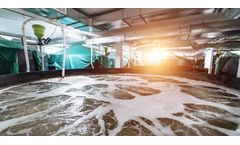
Finally, the water is disinfected and released, and the remaining sludge is de-watered and safely disposed. Traditional biological treatment often uses activated sludge (where bacteria float in tanks) or trickling filters (where water trickles over a bed of rocks with microbes). ...
How Qwik-Zyme L and Foam Buster Target the Root Cause of FOG Filament Overgrowth Fats, oils, and greases (FOG) are found in all types of wastewater and sewage treatment facilities. FOG appears in the form of fatty acids, animal fats, milk, fish oils, and triglycerides. Most biological wastewater treatment systems are not readily equipped to manage and successfully treat FOG in influent streams ...
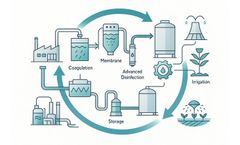
Water scarcity pressures and stricter discharge regulations are driving industrial facilities and municipal operators to implement comprehensive water reuse strategies. However, successful water reuse projects require methodical scoping that matches treatment technologies to specific water quality parameters and operational constraints. This systematic approach prevents costly oversizing, ensures ...

One of the biggest opportunities for saving money, one that is often overlooked, is reducing the energy demand of wastewater treatment systems. Traditional activated sludge systems, still the norm in many regions, are among the most energy-intensive infrastructure assets. ...
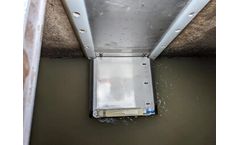
Engineers working on a project in North Wales have employed novel techniques to improve wastewater treatment efficiency, reportedly at a fraction of the cost of traditional methods, saving an estimated £3.5 million. Alison Miles from NIVUS, an instrumentation partner in the project, explains the flow measurement technology behind the reported improvements. ...

Choosing Biomicrobics In the quiet town just outside Nashville, TN – a residential development of nearly 700 homes faced a critical challenge; its existing recirculating gravel filter wastewater system had failed. The immediate need was to treat 120,000 gallons per day (GPD), with flexibility for future expansion as the community continued to grow. ...
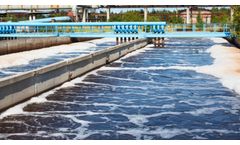
It’s often the result of complex microbial activity and biofilm development within the sludge system. That’s why a chemistry-based approach using Reactive Oxygen Species (ROS), delivered through JC-9465, has gained traction. ...
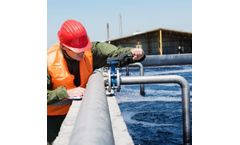
Manufacturing operations produce contaminated wastewater loaded with solids, chemicals, and organic matter that makes direct discharge or reuse impossible. Thankfully, wastewater is treatable using physical separation, biological digestion, and chemical reactions to remove contaminants at each stage. Progressive cleaning turns unusable wastewater into water clean enough for your processes or ...
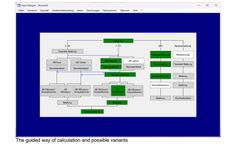
AQUA DESIGNER not only provides the design for many process units such as sand traps, activated sludge and sludge treatment. You also receive valuable planning information such as true scaled drawings, machine and measuring lists and flow diagrams. Variants, e.g. as a continuous flow activated sludge plant, SBR ...
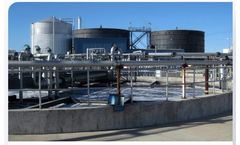
Once the organic solids settle, the sludge is then scraped from the bottom of the basin while the greases and oils are skimmed off the top. ...
With their flexibility and affordability, containerized systems can help meet treatment needs outside of cities Small and rural communities across the United States face real challenges when it comes to wastewater treatment. Many rely on aging infrastructure that no longer meets today’s standards, while others are growing and need new or upgraded systems. But, with limited budgets and ...
This webinar will guide you through the fundamentals of identifying problematic filamentous bacteria in activated sludge. Learn about the morphology, staining techniques, and causes of various filament types, and discover how to use microscopy as a powerful diagnostic and preventative tool. ...
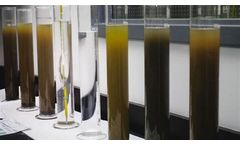
Sludge bulking remains one of the most persistent challenges in small and mid-sized wastewater treatment facilities, particularly during seasonal shifts that affect the food-to-microorganism (F/M) ratio, nitrogen-to-phosphorus (N/P) ratio, and temperature. These operational changes often trigger the overgrowth of filamentous organisms or biofilms, leading to poor sludge settling, high sludge ...
Understand the sources, risks, and evolving technologies in the fight against forever chemicals in water treatment PFAS, better known colloquially as “forever chemicals” or “persistent organic pollutants” (POPs), stands for per- and polyfluoroalkyl substance(s). These chemicals contain multiple carbon-fluorine bonds, which are extremely strong and stable, allowing them to ...