
Refine by
Activated Sludge Aeration Articles & Analysis
63 articles found
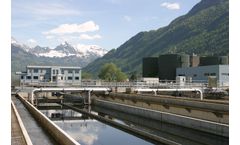
Plant types and layout. Treatment systems can be activated-sludge plants, trickling filters, lagoons, membrane bioreactors, etc. Each has trade‑offs in cost, footprint, and performance. For example, conventional activated sludge uses large aeration basins and clarifiers, while MBRs trade higher capital for a much ...

Introduction The City of Monticello, Indiana operates an extended aeration activated sludge treatment system to handle 1.6 MGD of flow. Up until 2019, the city had relied upon chlorination to control foaming caused by FOG filaments, specifically Microthrix parvicella. ...

The two main types of biological treatment are:Aerobic Treatment: Involves introducing oxygen into the wastewater to support aerobic bacteria, which decompose organic matter. Aeration tanks and activated sludge processes are commonly used methods. ...
Solution MABR system can potentially reduce up to 75% energy consumption compared to conventional activated sludge using bubble-based aeration. Energy reduction They were seeking a solution that reduced their energy consumption while also benefiting their customers, their business and the wider environment. ...

How does aerobic treatment convert organic matter in industrial wastewater applications? This question may seem daunting to some. Truth is, when it comes to understanding the complex processes of wastewater treatment, many are left scratching their heads… This process involves biology and chemistry, two subjects that can make even the most dedicated environmental enthusiasts break out ...
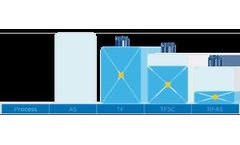
Both trickling filter and activated sludge processes are common methods of secondary wastewater treatment. ...
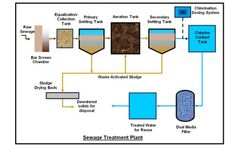
The water is then released, leaving behind a sludge/slurry. The sludge is a by-product of primary treatment and can sometimes be repurposed as a fertiliser, but it requires treatment such as de-watering to stabilise it. ...
Part of the water in the aerobic tank returns to the anaerobic tank directly, which can make the nitrate and ammonia nitrogen in the anaerobic tank converted into nitrogen gas released under the action of denitrifying bacteria. When the activated sludge is in the aerobic tank, the sludge in the tank needs to be discharged when the ...

These elegant formations of microbes enable robust wastewater treatment Some of Fluence’s signature wastewater treatment solutions are based on membrane aerated biofilm reactor (MABR) technology, which was first introduced in the 1990s. MABR harnesses biofilm, an extremely resilient mode of life that has been found in sediment dating back 3.4 billion years. These formations of microbial ...
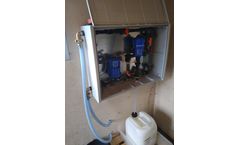
Customer / Type of customer Sewage treatment plants Châtres - FRANCE (77) Issue / Need This plant uses a biological treatment process, “extended aeration activated sludge”, followed by a water clarifier. Up until May 2018, the sludge was treated using a dozen or so drying beds, which involved a number of ...
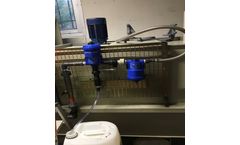
Customer / Type of customer Cazaux sewage treatment plant - wastewater sludge flocculation Cazaux - FRANCE (33) Issue / Need This plant uses a biological treatment process, “extended aeration activated sludge”, followed by a water clarifier. The sludge is treated by a belt filter, which produces ...
Ala., paid 90 percent of operating costs for the Hudson Branch Wastewater Treatment Plant. The 2 mgd (design) activated sludge extended aeration facility ran two 12^ lip propeller-type aerators la its 11-lbot-deep wastewater pond. ...
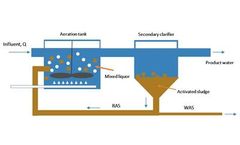
However, one of the most widely used conventional biological treatment process is the activated sludge process (ASP). Many sewage treatment plants use ASP in their secondary treatment steps due to the human and animal organic matter in the inlet waters of wastewater treatment plants.The term “activated sludge” comes from the fact ...
The term “activated sludge” comes from the fact that the sludge contains live bacteria and protozoa that actively digest and break down sewage. ...
Simultaneous nitrification and denitrification means wastewater treatment can take place in a single tank A membrane aerated biofilm reactor (MABR) is a revolutionary wastewater treatment and reuse solution that cuts the energy requirements of the aeration cycle by as much as 90% compared to legacy activated sludge systems, for ...
Simultaneous nitrification and denitrification means wastewater treatment can take place in a single tank A membrane aerated biofilm reactor (MABR) is a revolutionary wastewater treatment and reuse solution that cuts the energy requirements of the aeration cycle by as much as 90% compared to legacy activated sludge systems, for ...
As the World Bank explains: The activated sludge process has three basic components: 1) a reactor in which the microorganisms are kept in suspension, aerated, and in contact with the waste they are treating; 2) liquid-solid separation; and 3) a sludge recycling system for returning activated ...
Energy-Efficient Wastewater Treatment Wastewater treatment systems for mining operations run on electrical energy. Conventional treatment with activated sludge requires a lot of power to operate aeration pumps. New technologies that reduce this requirement can make mining a more sustainable industry. Fluence’s innovative aerobic ...
The biological processes used to treat wastewater include subsurface applications, such as septic or aerobic tank disposal systems; many types of aeration, including surface and spray aeration; activated sludge processes; ponds and lagoons; trickling filters; and anaerobic digestion. ...
So, Fluence used Tipton packaged plant components in a design that included a customized, modular tank arrangement for aeration and to hold sludge, as well as a separate equalization tank placed higher on the hillside. ...