
Advanced Remediation System Articles & Analysis
14 articles found
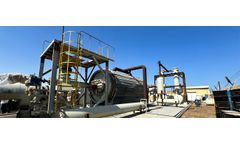
Compatibility with Carbon Market Protocols Integration with carbon credit systems requires strict adherence to methodologies that calculate avoided emissions or achieved sequestration. ...

Silica is everywhere—from sand dunes to microchips—yet its presence in groundwater can silently erode heat-exchange efficiency, foul RO membranes, and cripple high-pressure water boilers. Silica remediation for groundwater isn’t only a compliance box; it is a profitable tool that protects infrastructure, maximizes uptime, and safeguards community water supplies. Below we ...

Introduction to Thermal Desorption Units: Thermal desorption units are advanced remediation systems that utilize heat to volatilize and separate contaminants from solid or liquid matrices. ...
You’ve probably heard about oil and gas remediation. But what does it really mean? And why is it so important? In this in-depth guide, we’ll walk you through everything you need to know about this essential practice in the oil and gas ...

Introduction To In Situ Soil Remediation In situ soil remediation is a critical method used to address soil contamination, playing a pivotal role in environmental restoration. This technique treats polluted soil in its original location, without needing to remove or transport the contaminated materials. The benefits of this approach are numerous, including reduced costs, minimized environmental ...
” Amendments to the stabilization process should include a PFAS treatment phase of the biosolids, eliminating the chemicals from the material so it meets Class A, Exceptional Quality, standards and can continue to be used for agricultural and horticultural application without special site requirements. Advanced Remediation Technology Safely Eliminates PFAS ...

It’s no secret that the United States has an aging infrastructure problem. The public’s attention is focused on the repair of roadways and bridges, but there is also an ongoing initiative to address the existing infrastructure of legacy underground storage tanks, abandoned gas stations and truck stops, that are designated petroleum brownfields. As of July 2021, approximately 21 ...
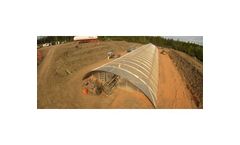
Environmental emergency response teams depend on advanced remediation technology to mitigate oil and chemical spills as swiftly and effectively as possible to restore affected areas in a cost-efficient manner that meets regulatory criteria. Iron Creek Group offers environmental teams next-level remediation technology designed to comply with the most stringent environmental standards around the ...

They can also be utilized as “drivers” for other applications of this technology as, for example, the High Volume Floating Aerator System, the “O.T.T.E.R.” and the “The G.O.A.T.” the Water Purification System, and all of their various combinations and modifications. These various combinations and modifications makes the DO2E ...

AutoPump Integral to Innovative Steam Injection Process Used to Clean Up DOE Facility in Ohio SteamTech Inc. of Bakersfield, California, a 35-year-old firm with roots in the oil field industry, is working for Bechtel-Jacobs at the Gaseous Diffusion plant in Piketon, Ohio. Bechtel-Jacobs considered several innovative remediation technologies and chose the steam injection process developed by ...
It is thus important for engineers to recognise the key differences among these various systems. Today, some of the more advanced WESPs are designed around a multistage system of ionising rods with star-shaped discharge points, enclosed within square or hexagonal tubes which are lined with grounded collection surfaces. ...

ABSTRACT: The goal of this project is remediation of soil and groundwater impacted by tetrachloroethene (PCE) that infiltrated the vadose and uppermost saturated zone below an active dry cleaning facility in central Indiana. PCE was released and transported to depths less than five meters via the primary porosity of thin sand and silt stringers and via secondary porosity of fractures in lodgment ...

Untitled Document Ozone is a highly reactive chemical that has proven to be effective in destroying a wide variety of organic chemicals, including MtBE and chlorinated VOCs. Ozone destroys organic chemicals through the process of chemical oxidation, which breaks the targeted organic chemical down into carbon dioxide and water. Ozone is commonly used in aboveground ...

ABSTRACT A pilot study to evaluate an innovative in situ treatment technology was implemented at Letterkenny Army Depot, Chambersburg, Pennsylvania, for a limestone bedrock aquifer contaminated with chlorinated solvents. This technology destroys VOCs in groundwater, utilizing a network of injection points to deliver a solution of hydrogen peroxide (50%), catalysts, and surfactants. The ...