
Aerosol Sampling Articles & Analysis
47 articles found
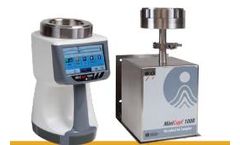
Introduction Microbiological sampling within a pharmaceutical manufacturing facility is performed using several methods: surface sampling passive aerosol (air) environmental sampling active aerosol (air) environmental sampling Each of these methods produces a result based on the growth of ...
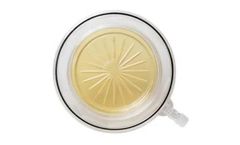
In the pharmaceutical manufacturing industry, ensuring sterility and minimizing microbial contamination are critical for maintaining product quality and safety. Microbial sampling is a key component of environmental monitoring, and understanding the optimal criteria for sampling can significantly impact the effectiveness of sterility assurance ...

UPAS stands for Ultrasonic Personal Aerosol Sampler or as we’re seeing more and more folks expand beyond aerosols; UPAS can also stand for Ultrasonic Personal Air Sampler. ...

Aerosol Devices’ Braden Stump recently recorded a webinar to be able to provide a reference to people looking to learn more about condensation growth tube technology and Aerosol Devices’ line of products. You can watch the video at the link ...
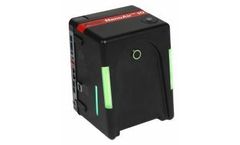
Optical and condensation particle counters are the two main types of particle counters used for detecting and counting aerosol ...

Venacontra delivered Diluting Aerosol Sampler (DAS) during the year 2012 for the HICE – The Helmholtz Virtual Institute of Complex Molecular Systems in Environmental Health consortium. DAS has been succesfully used in various HICE measurement campaigns including the following combustion sources: marine applications with heavy fuel oil and marine gas oil vehicle emissions small ...

Assessment of air samples and surface swab samples by rRT-qPCR and cell culture for SARS-CoV-2. Employment of air samplers functioning based on different collection mechanisms. Opportunistic sampling involving the relocation of a volunteer with mild COVID-19 from one state to another. ...

Say you’re working in an area where airflows move from top to bottom. To minimize variation between aerosol particle counts, there are two important sampling setup conditions: Sample probe inlet orientation Size of the probe’s inlet (cross-sectional area) These conditions can also be replicated during sample ...

The instrument collects and analyses air samples using sensitive, selective and rapid detection technology to identify the presence of dangerous pathogens onsite without the need to involve a laboratory. The development team at Smiths Detection created a new consumable to be used in the BioFlash to target the SARS-CoV-2 virus from an aerosol ...
Cleanroom operators should evaluate their processes and the sensitivity of their product to contamination to determine the number of sampling locations required. Our advice is to monitor where it counts. ...

With 40 years of experience in the fluoropolymer industry, we understand the importance of evolving. To ensure that we retain our glowing reputation as a reputable, knowledgeable fluoropolymer manufacturer, our tubing is constantly the subject of both internal and external testing. One such external test was just completed by the excellent researchers at the University of Colorado and Aerodyne ...
Our H2 thermally conductive PFA tubing (approximately 2.5x the thermal conductivity of normal PFA) has been recently featured in an extensive study measuring the benefits of using such a material in gas sampling applications. "Since conductive PFA combines low interaction with gases with the electrical conductivity needed to sample particles, it is an optimal ...
Often, these standards require sampling an entire cubic meter (1 m3) to provide an accurate measurement of airborne particulate levels. Using a conventional aerosol particle counter that samples 1-cubic-foot per minute (1 CFM) requires more than 35 minutes to sample 1 m3. Newer particle counters are now available with 100 ...
Portable aerosol particle counters are designed to sample ambient air at 1 cubic foot per minute (1 cfm) and no greater than 35 oC. ...

Cloud droplet residual and interstitial (unactivated) particles as well as the total aerosol were selectively sampled using different inlets, followed by their physical characterization using scanning mobility particle sizers (SMPSs), multi-angle absorption photometers (MAAPs) and a singleparticle soot photometer (SP2). ...
Laboratory samples of different aerosols that incandesce in the SP2 (fullerene soot, mineral dust, volcanic ash, coal fly ash, Fe2O3, and Fe3O4) were used to train a random forest algorithm. The trained algorithm was then applied to test data sets of laboratory samples and atmospheric aerosols. This method provides a systematic ...
In this study, we apply a new methodology, including corrections for misidentification of mineral dust, to measurements of single particles over four airborne sampling campaigns to derive vertical profiles of bioaerosol over the continental United States. The new methodology is based on single particle mass spectrometry (SPMS), and it can extend historic datasets to include ...
Waves breaking and bubbles popping at the Earth’s surface eject seawater droplets into the atmosphere 10’s of nanometers to 100’s of micrometers in diameter, called sea spray aerosol (SSA). These aerosols are tiny subsamples of the ocean’s surface, and the ocean has high numbers of heterotrophic bacteria, more than a million per milliliter, in addition to phytoplankton, ...

For useful measurement of low abundant isotopes and mass-limited samples, signal enhancement is often required. In addition, sample preparation and/or sample aerosol desolvation may be necessary to reduce or eliminate mass spectral interferences such as oxides and hydrides. ...
For useful measurement of low abundant isotopes and mass-limited samples, signal enhancement is often required. In addition, sample preparation and/or sample aerosol desolvation may be necessary to reduce or eliminate mass spectral interferences such as oxides and hydrides. ...