
Refine by
Agave Articles & Analysis
8 articles found
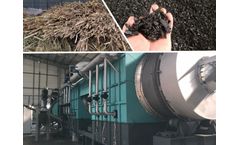
Bagasse, the pulpy residue left after squeezing the juice out of sugarcane or agave, is no underdog either. It's an intriguing feedstock because of its abundance and potential for carbon-rich products. ...
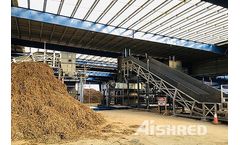
In Mexico, people use agave plants to make wine, which creates a lot of residue, which can pollute the environment when it is landfilled. ...
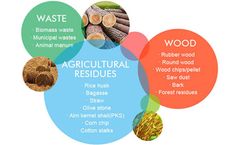
The following summarizes some of the biomass materials we may find some time. Food crops: Agave, Alfalfa, Barley, Corn, Oats, Rye, Wheat, Oil palm, Argo waste, etc. ...

One material we’ve looked at was sisal, from agave, however, without this grinder the fibers were too long for bonzodè. ...

Agave uses a different kind of photosynthesis, called crassulacean acid metabolism, or CAM. The plant opens its stomata at night to absorb carbon dioxide, when temperatures are cooler, then stores the carbon in a temporary pool of malic acid, thereby losing less water to transpiration. When the sun comes up, agave releases the stored carbon to complete ...
ByEnsia

Agave plants grow in semi-arid regions and are used for mescal production. However, agave fiber by-products are considered waste materials. Thus, we tested agave fiber as a filter media and biofilm material carrier for removing pollutants from municipal wastewater. ...

In the desert, similarities in plant appearance are poor indicators of whether or not plants are related to one another. While the agave plants have vegetative structures similar to those of the aloe family, neither plant lineage can be determined until we examine their flowers. The vegetative parts of both the agave and the aloe plants are mostly products of ...

In this research, a new low cost and abundant biosorbent; Agave americna (L.) fibres has been investigated in order to remove metal dye (Alpacide yellow) from aqueous solutions. ...