
Refine by
Ai Waste Articles & Analysis
11 articles found
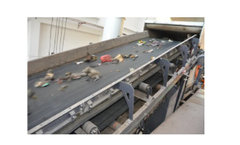
With sustainability and the circular economy becoming global priorities, cities are rapidly shifting from traditional “collect and dispose” waste systems to resource-oriented solid waste management. At the heart of this transition lies the adoption of intelligent waste sorting technologies—innovations that boost efficiency, reduce operational costs, and significantly improve ...

In the aircraft manufacturing sector, VOCs waste gas generated by aircraft coating processes features typical characteristics of high air volume, low concentration and complex composition, which has long been a difficulty in industrial waste gas treatment. ...

Traditional waste sorting methods are no longer sufficient for today's recycling challenges. ...

The Wujiang Construction Waste Recycling Project is a major environmental and public infrastructure initiative located on the west side of Jing’er Road in the Dongtai Lake Resort Area, Wujiang District, Suzhou, China. The project covers a land area of 44.45 mu (approx. 29,630 m²) and has a total construction area of 16,099.39 m². ...
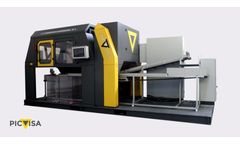
How are recycling robots using AI to improve waste management? The scale of the task means that manual sorting is slow, costly, and inefficient. ...
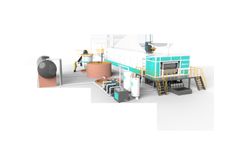
IoT integration allows operators to identify inefficiencies and adjust parameters remotely, maximizing uptime and minimizing waste. AI-Powered Diagnostics Artificial intelligence is revolutionizing maintenance practices in egg tray production. AI-powered diagnostic systems can predict component wear and potential malfunctions, enabling ...
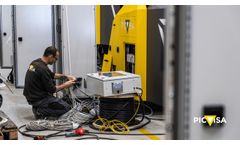
BEYOND THE PURCHASE: THE VALUE OF AFTER-SALES SERVICE IN THE RECYCLING SECTOR In the world of recycling and waste sorting, technology plays a crucial role. But the real engine that drives efficiency and sustainability in the long term is high-quality after-sales services. ...
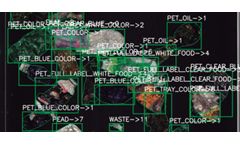
ARTIFICIAL VISION: MORE ACCURATE WASTE MANAGEMENT AI, and particularly artificial vision, has enabled much more precise automation of waste management. ...

Managing waste is a complicated process that involves daily pickup schedules, trucking logistics, and sorting facilities. Waste management companies must deal with millions of tons of garbage every year. As this number increases, simple solutions are no longer sustainable. This increasing complexity requires new solutions. Embracing artificial intelligence technology will help improve the ...
Ranging from medical waste to bio-hazard waste, AI algorithms can improve the collection, transportation, and sorting processes via a diverse range of applications. ...
Further boosting automation in recycling plants by tapping into the advances made in Artificial Intelligence (AI), Machine Vision and robotics will help waste plant managers to minimise the risks operators face even more. The benefits of automation through AI robots not only lie in better work environment safety, but end of line automation in ...