
Refine by
Air Emissions Articles & Analysis
936 articles found

The emissions featured:Large air volume Low VOC concentration Complex solvent composition Strict environmental requirementsFor this type of exhaust stream, conventional thermal treatment systems often result in higher operating costs and energy consumption.Solution CADAIR implemented a Zeolite Rotor Concentrator combined with Catalytic Oxidation ...
Sources of VOCs Emissions in Oil & Gas Operations VOCs emissions in oil and gas field scenarios primarily originate from upstream and midstream processes: extraction, gathering, transportation, storage, and on-site wastewater treatment. ...

Introduction As environmental regulations continue to tighten worldwide, controlling Volatile Organic Compound (VOC) emissions has become one of the most important challenges facing the printing and packaging industry. Gravure printing, flexible packaging printing, laminating, coating, and converting processes rely heavily on solvent-based inks, adhesives, and coatings that ...
During coating, spray painting, drying and finishing processes, significant amounts of volatile organic compounds (VOCs), paint mist and wood dust may be generated. These emissions are among the primary air pollution sources in furniture production facilities. ...
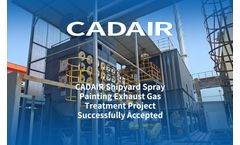
As the global shipbuilding industry accelerates toward green and low-carbon manufacturing, VOCs emission control has become a critical environmental challenge for shipyards worldwide. ...
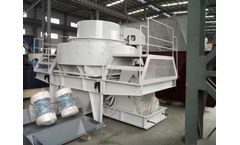
Governments, contractors, and manufacturers are increasingly focused on reducing carbon emissions, improving resource efficiency, and minimizing environmental impact. ...
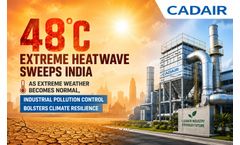
Objectively, air pollution is not the root cause of heatwaves, and global warming remains the core driver of frequent extreme climates. ...

It also helps facility owners identify emission sources, validate controls, and respond proactively to elevated emissions before violations occur. ...
It also helps facility owners identify emission sources, validate controls, and respond proactively to elevated emissions before violations occur. ...
It also helps facility owners identify emission sources, validate controls, and respond proactively to elevated emissions before violations occur. ...
Meta Description Discover how commercially available methane reduction technologies such as CADAIR’s GC-BLOCK system support coal mines and oil & gas operators in reducing methane emissions, utilizing ventilation air methane (VAM), and advancing industrial decarbonization initiatives. ...

This process ensures maximum carbon retention while producing minimal emissions. Unlike open burning, which releases pollutants and particulate matter, the rice hull carbonizer captures volatile compounds and converts them into usable thermal energy. ...
By converting waste into energy, pyrolysis contributes to a more sustainable and circular economy. 2. Reduction of Greenhouse Gas Emissions Oil sludge pyrolysis involves heating the waste in an oxygen-limited environment, which helps to break down the complex hydrocarbons without combustion. ...
Unlike incineration (which burns plastic with oxygen, releasing toxic emissions), pyrolysis breaks long hydrocarbon chains back into shorter liquid hydrocarbons. ...
Open burning of plastic waste releases toxic gases, contributing to air pollution and greenhouse gas emissions. Landfilling, on the other hand, leads to long-term soil contamination and the leaching of microplastics into water systems. ...
In a world where air pollution and carbon emissions are pressing issues, finding sustainable fuel alternatives is more important than ever. ...
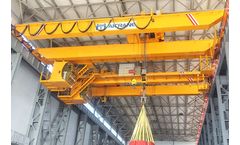
In large industrial facilities, this not only increases operational costs but also contributes indirectly to greenhouse gas emissions if the electricity is sourced from fossil fuels.2. Emissions and Air Pollution While most overhead cranes operate on electricity, some facilities rely on diesel-powered auxiliary systems, such as backup generators ...
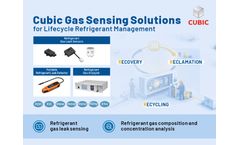
Environmental Protection Agency (EPA), direct fugitive emissions from refrigeration and air-conditioning systems constitute a significant source of Scope 1 greenhouse gas emissions due to the high global warming potential of fluorinated refrigerants. ...
Unlike incineration, pyrolysis does not produce harmful emissions such as dioxins, furans, or carbon monoxide, which are common byproducts of combustion. ...

As a short-lived climate pollutant, black carbon absorbs sunlight and can influence climate and air quality. In regions with major transport corridors, emissions from manufacturing and vehicle traffic can affect ambient particulate levels along road networks, underscoring the value of continuous monitoring for roadside and urban air quality ...