
Refine by
Air Filter Articles & Analysis
471 articles found
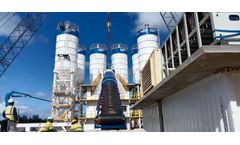
Filter system specification must account for peak loading capacity rather than average operating conditions, and filter media selection must reflect the specific particle size distribution and chemical characteristics of the dust streams being captured.Pulse-jet fabric filter systems — commonly referred to as baghouse filters — ...
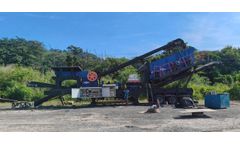
Fine silica particles — characteristic of Middle Eastern desert dust — are among the most abrasive materials an engine's air intake system can encounter. Particles that bypass filtration enter the combustion chamber and accelerate cylinder bore, piston ring, and valve seat wear at rates that translate directly into shortened engine overhaul intervals and elevated maintenance cost ...
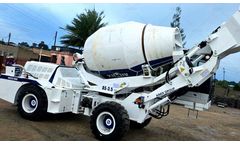
Regular lubrication prevents high friction. Additionally, clean the air filters regularly to prevent engine damage from dust. These simple tasks extend machine life. ...

In addition, check the engine oil and air filters daily. Dusty construction sites can clog internal parts very quickly. ...

While capture at the source is critical, the effectiveness of a welding fume extraction system ultimately depends on how efficiently these contaminants are filtered before the air is discharged or recirculated. ...
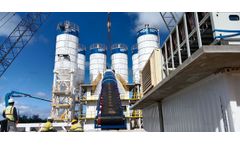
When a cement tanker fills the silo, air displaced by the cement must escape. That air carries cement dust. A baghouse filter captures the dust before the air is released. The filter contains fabric bags that trap particles. Compressed air pulses shake the bags, causing the dust to fall back into ...
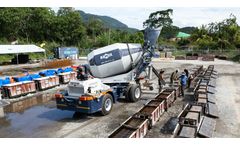
Furthermore, check the hydraulic oil levels and air filters every morning before you start. Proper lubrication of the pivot points and bearings prevents premature mechanical wear and tear. ...
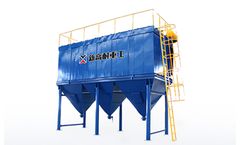
The effectiveness of the system depends heavily on proper pulse jet bag filter design, including the arrangement of filter bags, air flow distribution, and the cleaning mechanism. ...
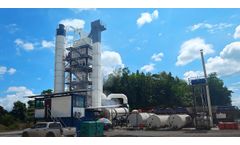
These systems are essential for minimizing emissions and particulate matter, which can be detrimental to air quality. High-efficiency particulate air (HEPA) filters and electrostatic precipitators can capture and reduce harmful emissions before they are released into the atmosphere. ...
ByMacroad

All you need is a 20L carboy with an air filter cap. This way, we avoid any contamination before it enters the bioreactor. The first step in inoculation is sanitizing: Spray the quick disconnect fittings between the PBR and your air filter cabs with a carboy of algae inoculum. Click the disconnects together, making sure the ...

As temperatures drop and natural resources become scarce, birds adapt quickly—often by shifting their behavior and habitat to survive the harsh winter months. Commercial buildings, with their warmth, shelter, and predictable human activity, become especially attractive to birds seeking refuge. While this seasonal migration may seem harmless, it introduces a host of challenges for property ...

ABSTRACT Airflow Visualization studies (AKA Smoke Studies) are used to evaluate air patterns in medical product cleanrooms and barrier systems (RABS, Isolators, pass-throughs and airlocks) that support aseptically produced, terminally sterilized and low bioburden product manufacturing.) These studies should be considered as more than a definitive pass/fail test. ...
Why Proper Installation Matters Installing a fume extraction system is one of the most effective steps an industry can take to improve air quality and worker safety. However, even the best fume extractor can underperform if installed incorrectly. Small installation errors can lead to poor suction, high energy use, and incomplete fume capture. This post explains the most common installation ...

Comparison of Ozone, HEPA filters, bipolar ions, photocatalysis, and other sanitization systems for ambulances In recent years, ambulance sanitization has become increasingly central to the safety of healthcare workers and patients. There are various technological solutions available on the market for sanitizing the sanitary compartment, but not all guarantee the same level of effectiveness ...
Mist collectors are designed to pull contaminated air directly from machining areas and filter it before releasing clean air. ...
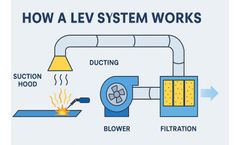
The suction hood captures the generated pollutants at the source and they are carried through to the filters by means of ducting. The blower provides the necessary air flow to provide ample suction to pull in all the pollutants. The filtered air is then released back into the shopfloor or into the atmosphere via means of outlet ...

Food processing plants invest millions in hygiene zones, cleanrooms, and rigorous quality control, but what about the process air moving through your production lines? In operations handling fine powders, sticky dust, or allergens, the air inside dust collection and extraction systems comes into direct contact with raw materials. If that air ...
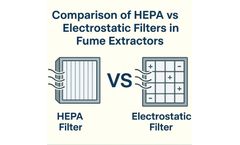
Choosing the Right Filter for Cleaner AirIndustrial processes like welding, soldering or machining all require efficient fume control and fume extractors play an important role in maintaining safe air quality. The filters inside a fume extractor is what traps the airborne pollutants before releasing the air into the atmosphere or ...
For example, a welding fume extractor will require that the hood be placed within 10 inches to avoid disrupting the operation but a soldering fume extractor can have the hood placed up to 6 inches from the fume generation point.Choose the Right Filter TypeDifferent applications require different filters:Use HEPA filters for very fine dust or particles.Use ...

This unit uses a heavy-duty screen and velocity controls to separate the waste, which falls into a compactor or baler below, from the conveying air which is vented to the outside via a balance fan. Key system benefits include: Reduced power and utility costs thanks to lower fan size requirements. ...